How to Grow Petunia From Seed or Seedlings: Pots and Care (Video)
Read the full written guide: How to Grow Petunia From Seed or Seedlings: Pots and Care →
how to grow petunias from seed petunia seed to bloom guide Learn the exact steps to turn tiny petunia seeds or seedlings into vibrant container blooms. We start with the right seed‑starting mix, sowing depth, and gentle watering rhythm. Then we move to pot preparation, choosing a light, well‑draining soil blend and the perfect container size. Sunlight timing is key – aim for at least six hours of bright, indirect light each day. In February, a light prune encourages bushier growth and more flowers. Keep an eye on temperature; petunias thrive between 18‑24 °C (65‑75 °F). Follow a consistent watering schedule – moist but not soggy – and feed with a balanced liquid fertilizer every two weeks. By the end of the first month you’ll see seedlings push through, and with weekly care they’ll burst into color. If this is persistent or affecting your daily life, see a doctor.
Show the full transcript
Transcript
Petunias need only 6 hours of sun, does that really work?
Petunias need only 6 hours of sun, does that really work?
Petunia Growing Basics
I'll show you how to grow petunias from seed or seedlings, and reveal the February pruning secret.
Seed vs Seedlings
Here's the thing: if you're just starting out, grab a tray of nursery seedlings in November. They’re tiny but sturdy, and you’ll see flowers by January without the hassle of delicate seed. Seeds are great for experimenting with colors you don’t find in the nursery, but they need a bright, sheltered spot.
Sowing the Dust
Now, the part most people miss: sow the dust fine seed right on the surface in October or November. Light is the secret sauce, so don’t cover it. Just sprinkle, press gently with your palm, and give it a quick drink from below. Mist if it dries.
Germination time
The seed will pop up in about one to three weeks, as long as it gets light. That’s quick enough to keep your excitement alive, and you can start feeding them once the first true leaves appear. If they seem slow, just check they’re not in the dark.
Cling film trick
The cling film trick is a simple way to keep humidity up without smothering the seedlings. Cover the tray loosely with a clear bag, lift it a little each day for fresh air, and pull it off as soon as most seeds have sprouted. Too long and you invite damping off.
Pot & Sun
Petunias love fast-draining containers. Mix two parts soil, one part compost, and one part cocopeat or sand for a light, airy medium. Give them six or more hours of direct sun; anything less makes them spindly and flower-poor. A sunny roof or south-facing balcony works best.
Sunlight needed
Your petunias need at least six hours of sunshine each day to thrive. Anything less and you’ll see long pale stems and few blooms. Position them where the sun hits from morning till afternoon for the best color show. Even a balcony that faces east can work if you get six hours.
Water & Feed
Watering changes through the season. From November to January, water in the morning when the top two to three centimeters dry. In February and March, growth speeds up, so give a splash every one to two days. By April, when it’s hot, water daily, maybe twice, and enjoy the final flush of color.
The one February cut
The one February cut makes all the difference. In mid-February, trim each plant back by about half, snipping the tops just above a leaf node. This brutal haircut encourages new shoots, and three weeks later you’ll see a fresh burst of blooms, extending your display well into spring.
Like, subscribe and comment
Like, subscribe, and share your own experience in the comments below.
Read the full guide
The full guide is on thecareonline.com. General information only, so check with your doctor for your own case.
More videos
 Flowers & Plants
How to Grow Tecoma (Yellow Bells) From Cuttings, and Prune It
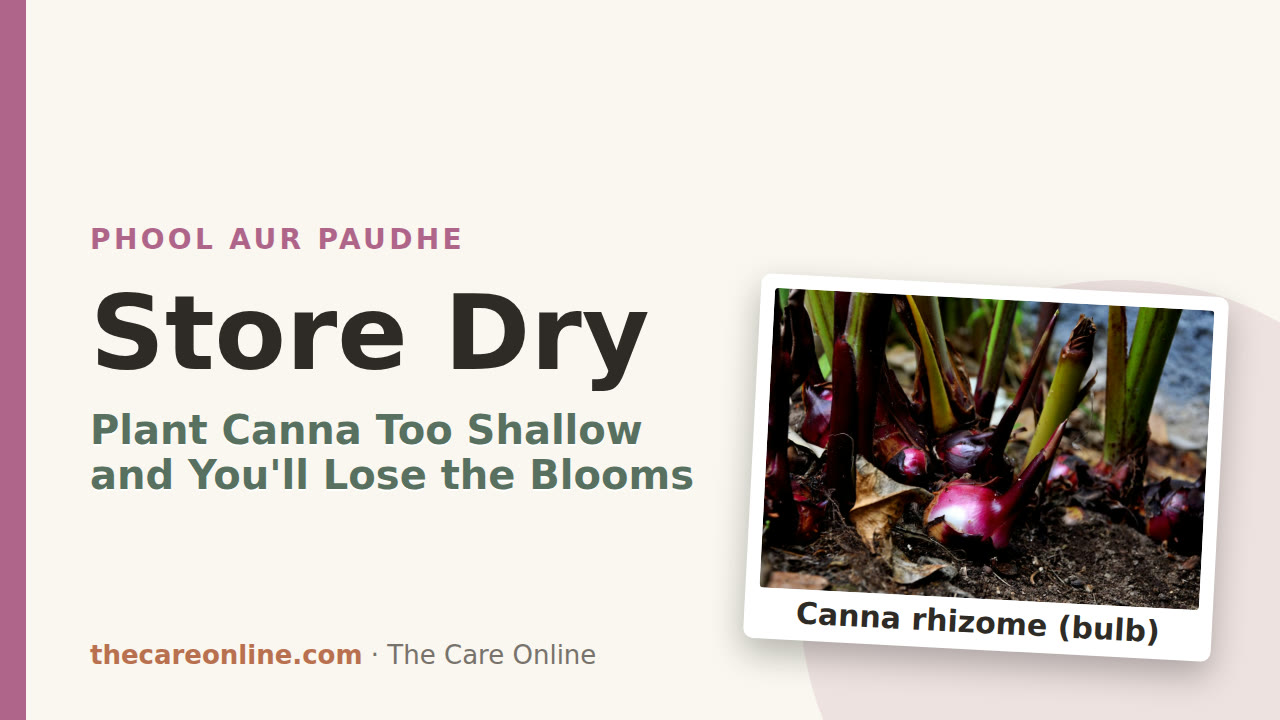 Flowers & Plants
How to Grow Canna: Planting Depth, Pots, Dividing and Storing
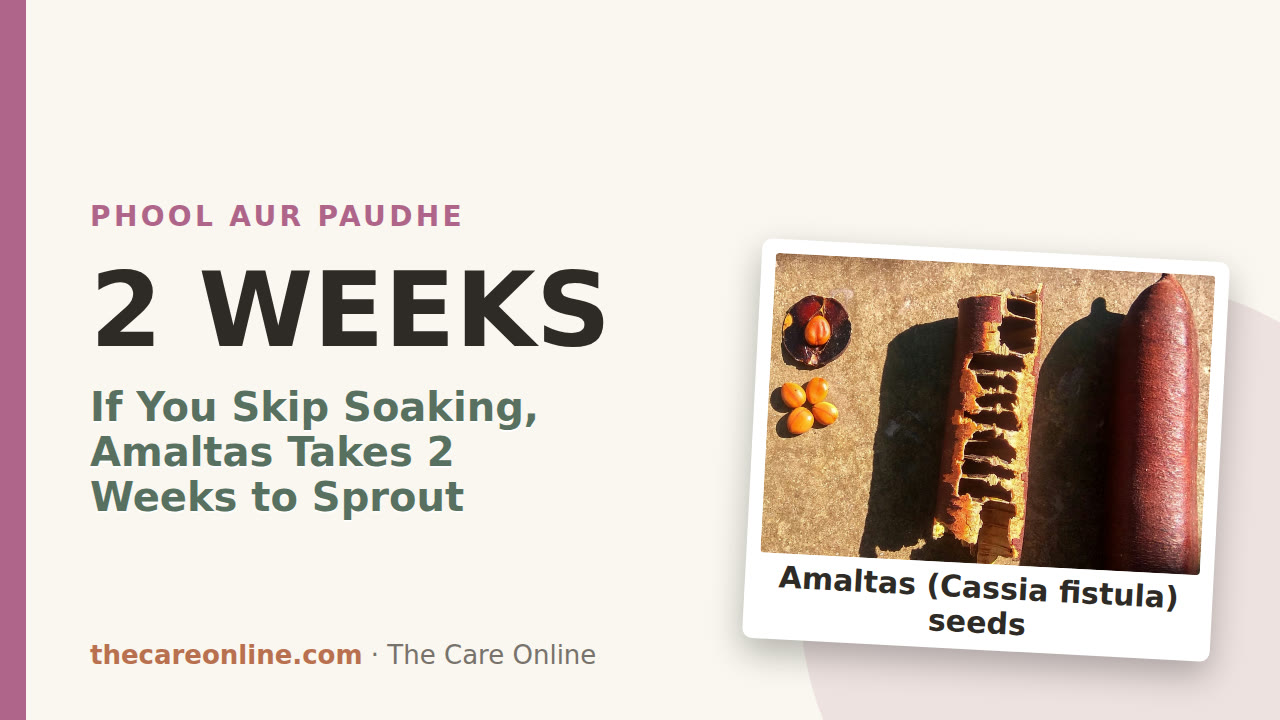 Flowers & Plants
How to Grow Amaltas Tree (Golden Shower): Seed, Roots, Care
 Flowers & Plants
How to Grow Gulmohar Tree: Space, Roots, Seed and Storm Pruning
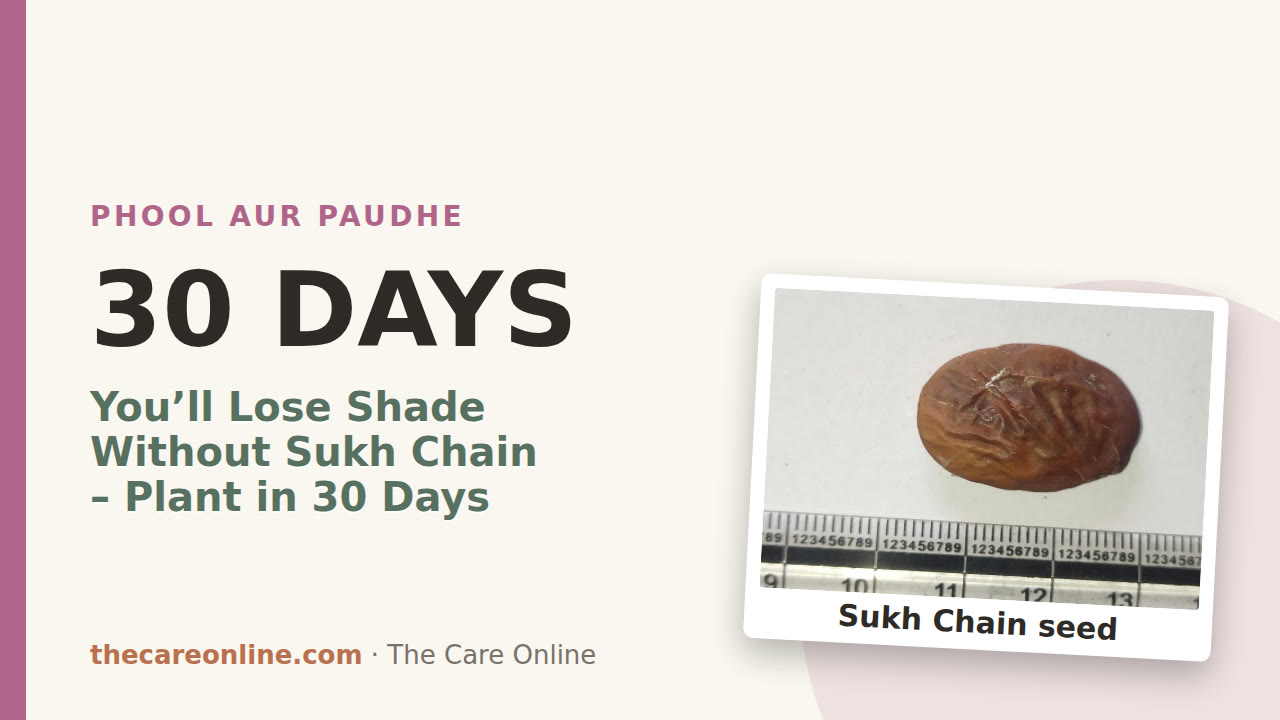 Flowers & Plants
How to Grow Sukh Chain Tree (Pongamia): A Native Shade Pick
 Flowers & Plants