How to Grow Mussaenda: Air Layering, Pruning and Winter Care (Video)
Read the full written guide: How to Grow Mussaenda: Air Layering, Pruning and Winter Care →
Learn how to grow mussaenda at home, the honest way. We cover air layering, the right pot and soil, feeding through the year, and how to protect it in winter. You'll also find out the one pruning mistake that quietly steals your flowers, and whether this showy shrub is even right for your city.
From Karachi's humidity to Lahore's frosty mornings, this guide gives practical, city-wise advice. No fluff, no false promises, just what actually works and what doesn't. Based on the Phool aur Paudhe blog post.
Show the full transcript
Transcript
Most mussaenda failures come from one pruning mistake. Stay for it.
Most mussaenda failures come from one pruning mistake. Stay for it.
Grow Mussaenda the Easy Way
Here's the short, honest answer, and one tip most people miss.
Will It Grow in Your City?
Here's the thing, Karachi's humid warmth suits mussaenda perfectly. Lahore and Delhi? Lovely April to November, but you'll need a sheltered wall and frost cover. Islamabad and Peshawar? Pot only, moved indoors in winter. Multan or Sukkur? Skip it. That dry forty-five degree wind burns the bracts. So it depends on where you live.
Air Layering Beats Cuttings
Soft cuttings of coloured hybrids root poorly at home. Nurseries usually sell air layered or grafted plants instead. Air layering is the most reliable method. In April to July, pick a pencil-thick branch. Thirty centimetres from the tip, remove a two-to-three-centimetre bark ring. Wrap wet cocopeat around the wound, cover with plastic, tie both ends tight, and shade it.
Bark Ring Width for Layering
Two to three centimetres, that's the bark ring width for air layering. Not too narrow, not too wide. Think about it: scrape the green layer off the wood, then wrap it in wet cocopeat or sphagnum. This little detail makes the difference between roots forming and nothing happening. It's fiddly, but it's the most reliable way to grow a new mussaenda at home.
Pot, Soil and Sunlight
Mussaenda likes rich, slightly acidic soil that holds moisture but still drains. Mix two parts garden soil, one part compost, and one part cocopeat. Punjab's alkaline soil and hard water are the enemy, you'll see yellow leaves with green veins. An east-facing balcony with morning sun and afternoon shade is ideal on the plains. In Karachi, it can handle more sun.
Morning Sun Is the Sweet Spot
Four to six hours of sun, that's the sweet spot for mussaenda. But it's morning sun it craves. Harsh afternoon sun scorches the bracts on the plains, turning those pretty pink petals crispy. An east-facing balcony gets this exactly right. In coastal Karachi, where the air is humid, it can take more direct sun without complaint.
Feed March to October
March to October, feed every three to four weeks with compost and a balanced bloom fertiliser. Stop completely in winter, the plant rests. Now, the part most people miss: watering changes with seasons. Summer: keep evenly moist, water daily. In monsoon, water only when the top few centimetres are dry. In autumn, taper off as nights cool. On frost nights, keep it drier, wet cold roots rot.
Rainwater for Happier Blooms
Here's a tip. If your tap water leaves a white crust on pots, it's alkaline, and mussaenda will slowly yellow. Collect monsoon rainwater in a covered drum and use it for this plant first. In dry months, work used tea leaves or leaf mould into the pot top every few weeks. That keeps soil slightly acidic. Cover the drum, open water breeds dengue mosquitoes.
Prune in Late February
Prune in late February to early March, once frost has passed and before new growth starts. Cut back by a third, shaping the bush and removing cold-damaged twigs. Mussaenda flowers on new shoots, so this cut sets up the whole season. During the season, snip off faded bract clusters. Don't prune in autumn, the soft new growth that follows will get hit by winter cold.
Winter Protection Basics
From December, move pots to the warmest sheltered spot, against a south or west wall. On frost nights, cover with a cloth or cardboard box after sunset and remove it in the morning. In Islamabad or Peshawar, bring pots onto a covered verandah or into a bright room. Expect some leaf drop, it will regrow in spring if the roots survive.
Yellow Leaves, No Flowers?
No bracts? Usually too much shade or no pruning, give it more morning sun and a February prune. Yellow leaves with green veins? That's alkaline soil causing iron lockout, add leaf mould, rainwater, and iron micronutrients. Brown crisp edges? Hot dry wind, provide afternoon shade, mulch, and evening mist. Leaf drop in winter is just cold, shelter it and wait for spring.
A Few Honest Limits
Mussaenda isn't known as poisonous, but it's not food either, keep little ones from chewing leaves, and call a doctor if a child eats a quantity of any plant. Standing water in saucers breeds dengue mosquitoes, empty saucers after watering. Treat pests with soap or neem first. For chemical sprays, follow the label, wear gloves and a mask, keep kids and pets away till dry.
The One Mistake to Avoid
So should you grow it? In Karachi, absolutely, no second thought. In Lahore or Delhi, yes, if you can give it a sheltered wall in winter. Skip it on a blazing Multan roof. And here's the one mistake: pruning late, in May or later, removes developing flower heads and shortens the whole display. Prune in late February, and you'll have flowers for months.
Like, subscribe and comment
Useful? Like and subscribe, and tell us in the comments what we should check next.
Read the full guide
Read the complete guide on thecareonline.com. This is general information, not medical advice.
More videos
 Flowers & Plants
How to Grow Canna: Planting Depth, Pots, Dividing and Storing
 Flowers & Plants
How to Grow Tecoma (Yellow Bells) From Cuttings, and Prune It
 Flowers & Plants
Lawn Grass Types in Pakistan: Korean vs Bermuda vs Dichondra
 Flowers & Plants
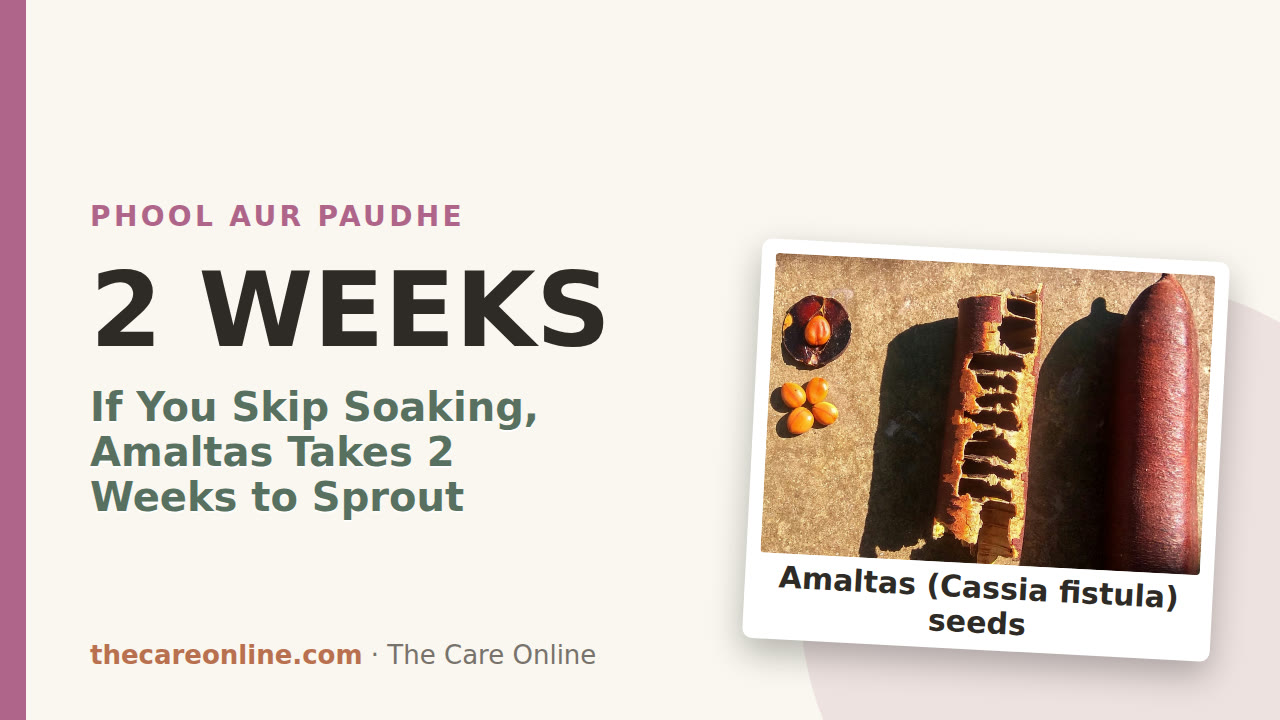
How to Grow Amaltas Tree (Golden Shower): Seed, Roots, Care
 Flowers & Plants
How to Grow Gulmohar Tree: Space, Roots, Seed and Storm Pruning
 Flowers & Plants