How to Grow Kalanchoe in Pots and Get It to Flower Again (Video)
Read the full written guide: How to Grow Kalanchoe in Pots and Get It to Flower Again →
How to make my kalanchoe bloom again Kalanchoe flowering tips for pot growers Learn a practical routine that helps your kalanchoe recover its sparkle and produce fresh blooms. We walk you through the right dark‑room period, watering balance, light exposure, feeding schedule, and gentle pruning—everything you need for a thriving pot plant. No fancy equipment, just simple steps you can start tonight. Follow the guide and watch your succulent’s flowers return season after season. If this is persistent or affecting your daily life, see a doctor.
Show the full transcript
Transcript
Six weeks of darkness, can it really force blooms?
Six weeks of darkness, can it really force blooms?
Kalanchoe in Pots
In this video you'll learn how to keep your kalanchoe thriving in a pot and coax it to bloom again, with a simple trick that we'll reveal right at the end. We'll cover propagation, watering, light, and the dark-room routine that makes the difference.
Easy propagation
The easiest way to get new plants is a stem cutting. Grab a 6-8 cm tip with a few leaf pairs, pull off the bottom leaves, and let the cut end dry for a couple of days until it callouses. Then plant it shallowly in a gritty mix and wait a few weeks for tiny plantlets to appear.
Light & water
Kalanchoe loves bright light but hates scorching midday sun, so an east-facing balcony or a south-facing window with morning rays is perfect. In winter, water about every ten to fourteen days, then gradually stretch to six to eight days as the weather warms. During the hot months, let the soil dry out longer and water early in the morning.
Darkness needed
Kalanchoe is a short-day plant, meaning it needs a long stretch of darkness each night to set buds. Aim for at least fourteen hours of complete darkness for six consecutive weeks in the fall, and you'll see buds start to form soon after. Even a faint streetlight can spoil the effect.
Light feeding
You don't need to feed your kalanchoe heavily. In spring and early autumn, a half-strength balanced liquid fertilizer once a month keeps it happy. When it's about to flower, switch to a potash-rich feed at the same dilution. Skip feeding during the hottest summer stretch and again during the monsoon rains.
Trim after bloom
After the flowers fade, usually around March or April, give your plant a good trim. Cut back the old flower stalks and trim the leggy stems by about a third. A light pinch in June helps shape the plant, but avoid any pruning after mid-September, or you risk losing the next winter's buds.
Leaf clues
If the lower leaves turn soft and yellow, it's a sign you're watering too much, let the soil dry fully and check the roots. Wrinkled leaves usually mean the plant is thirsty after a hot spell. A reddish or bronze edge on the foliage is just a response to strong sun and is generally harmless.
Stem tip size
When taking a cutting, aim for a tip about six to eight centimeters long, with at least two pairs of leaves attached. This size gives enough stored energy for the cutting to develop roots without rotting. After letting the cut end callous, plant it shallowly in a gritty mix and wait.
The one trick
Here's the single game-changer: from early October, tuck your pot into a dark cupboard or under a thick box from six in the evening until eight in the morning, every night, for six straight weeks. Keep it in bright light during the day, water sparingly, and pinch off any dead flower clusters. Soon the buds will push through and you’ll have a winter display.
Like, subscribe and comment
Useful? Like and subscribe, and tell us in the comments what we should check next.
Read the full guide
The full guide is on thecareonline.com. General information only, so check with your doctor for your own case.
More videos
 Flowers & Plants
How to Grow Tecoma (Yellow Bells) From Cuttings, and Prune It
 Flowers & Plants
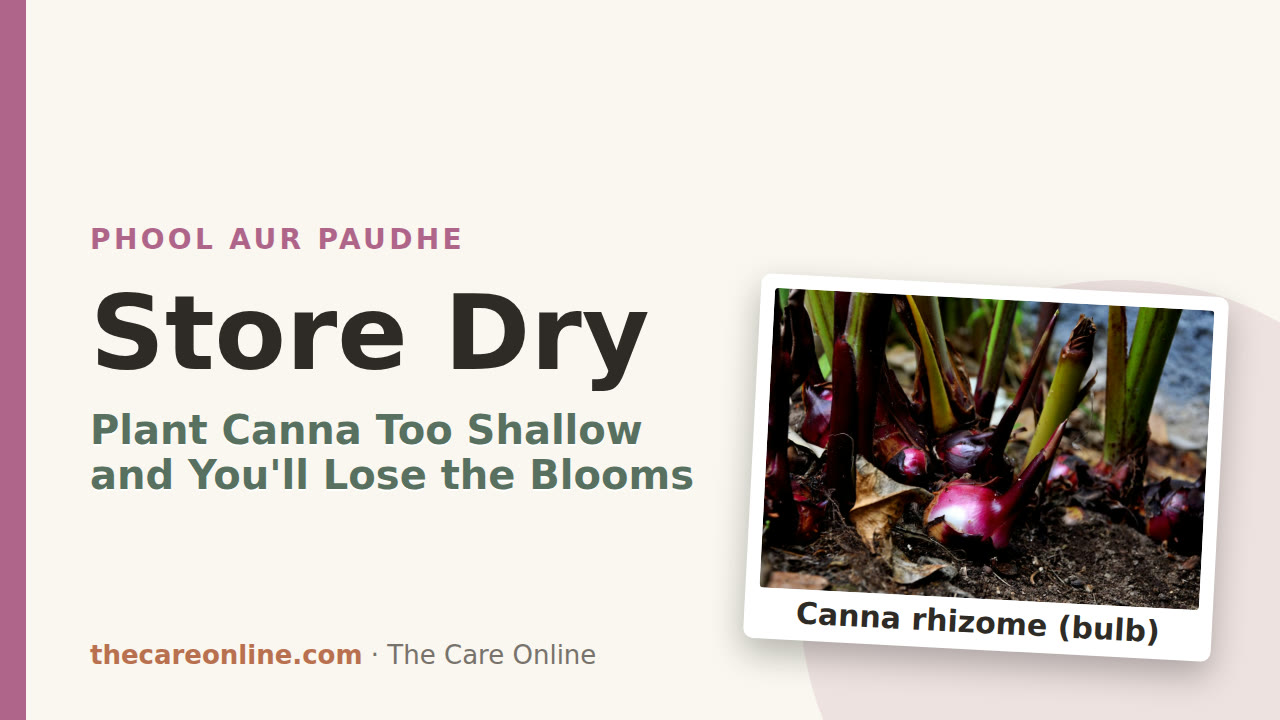
How to Grow Canna: Planting Depth, Pots, Dividing and Storing
 Flowers & Plants
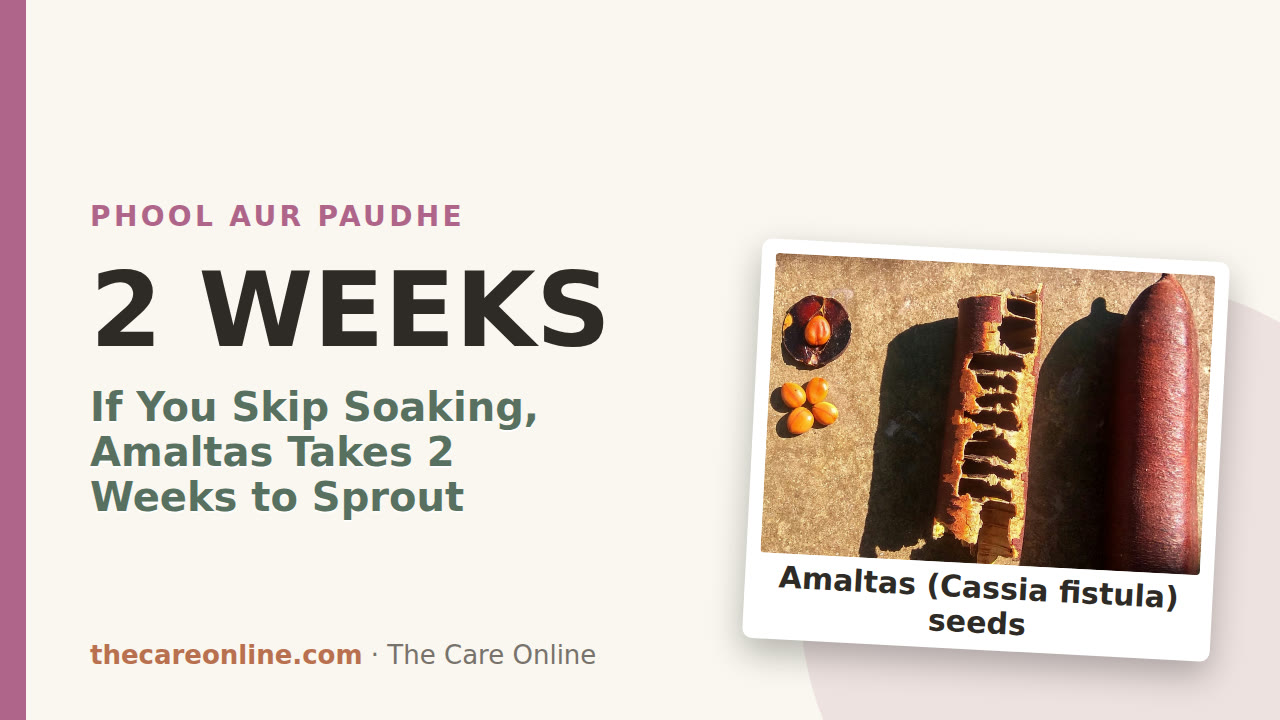
How to Grow Amaltas Tree (Golden Shower): Seed, Roots, Care
 Flowers & Plants
How to Grow Gulmohar Tree: Space, Roots, Seed and Storm Pruning
 Flowers & Plants
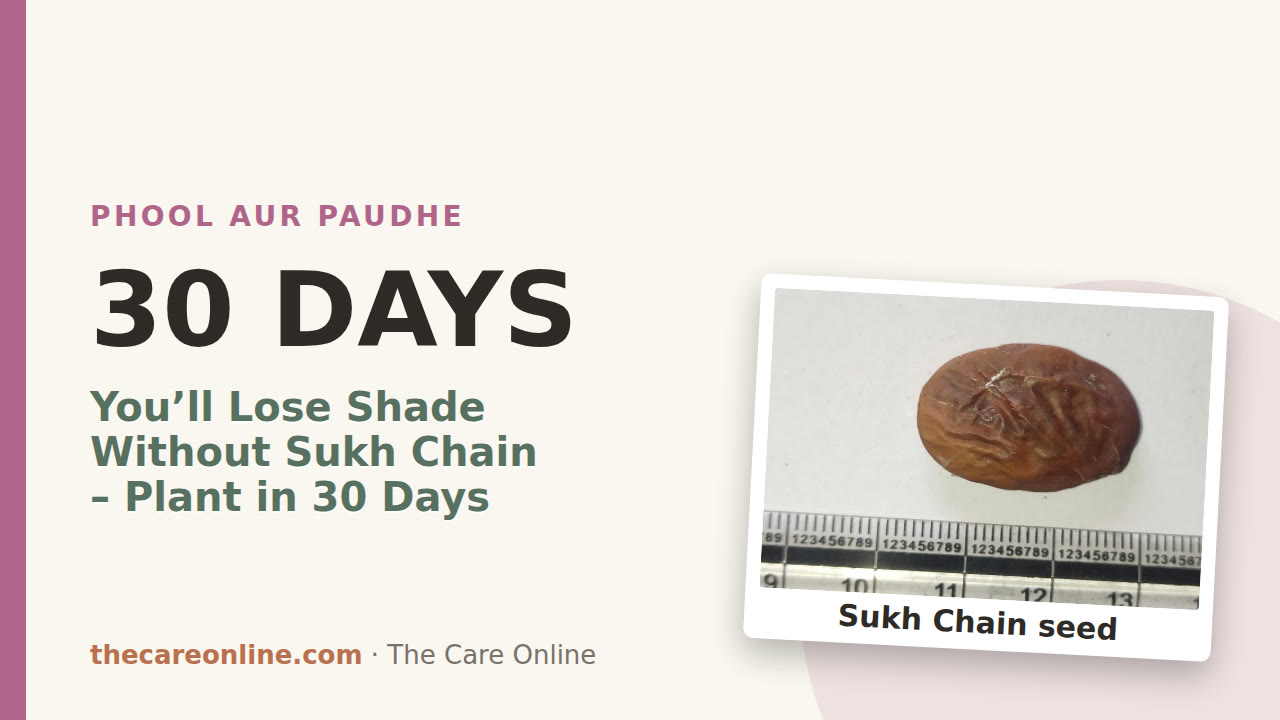
How to Grow Sukh Chain Tree (Pongamia): A Native Shade Pick
 Flowers & Plants