How to Grow Impatiens: Water Cuttings, Shade Pots and Flowers (Video)
Read the full written guide: How to Grow Impatiens: Water Cuttings, Shade Pots and Flowers →
How to propagate impatiens from cuttings Water cuttings method for shade garden Learn the step‑by‑step process to turn a few nursery impatiens into a lush shade garden using a simple water‑cutting technique. We’ll show you why starting with nursery plants beats planting seeds, the best spot in your home or balcony for the cuttings, and how to keep the water fresh for optimal root growth. You’ll discover how many cuttings you can take from one bush, how often to change the water, and when to move the rooted tips into a pot with soil. The method works in just a few weeks, saving you money on new plants and giving you a steady supply of vibrant flowers for festivals or everyday décor. Follow the easy steps and avoid the common mistake of letting cuttings dry out, which can waste both time and money. If this is persistent or affecting your daily life, see a doctor.
Show the full transcript
Transcript
Can you grow a full impatiens display in just two weeks?
Can you grow a full impatiens display in just two weeks?
Impatiens in Shade
If your veranda catches bright shade but little direct sun, impatiens can splash colour all season. I’ll show you how to multiply them for free with a simple water-cutting trick, and stay till the end for the one tip that makes every stem turn into a bushy bloom. You’ll need just a glass, a sunny windowsill, and a few minutes each day to watch roots appear.
Where they thrive
Impatiens love bright shade, but they’re happiest in a cool, shaded spot with a splash of morning sun. In Pakistan and north India the best results are in Karachi, where humidity does the heavy lifting, and in Lahore, Faisalabad or Delhi during the cooler months from October to April. In hotter places like Multan they need deep shade and only winter or early spring.
Nursery vs seed
When you’re just starting out, skip the seed drama and head straight to the nursery. A healthy nursery impatiens plant costs a few dollars, and from it you can take 8-10 cm stem cuttings that root in water within a couple of weeks. Seeds are tiny, pricey, need constant warmth and often drown in soggy trays, so you’ll see buds weeks later, if at all.
Glass of water method
Grab sharp scissors and snip an eight-to-ten-centimetre tip just below a leaf joint. Remove the lower leaves and any buds, then place the cutting in a glass of water on a bright, shaded windowsill. Change the water every two days; in a week or two white roots appear. When roots are two to three centimetres long, pot the cutting and pinch the tip to promote a bushy habit.
Root time
Roots usually show up in about two weeks, though you might spot the first white threads a little earlier. That’s the sweet spot to pot the cutting before it gets too leggy. If you wait longer, the stem can become floppy and harder to handle, so keep an eye on that two-week window.
Cutting length
The sweet spot for a cutting is about eight centimetres long. Anything shorter won’t have enough leaf nodes to sprout roots, and anything longer can lose too much leaf area and dry out. Aim for that eight-centimetre mark, and you’ll get a healthy root system ready to pot.
The one trick
Here’s the one trick that turns a single-stem cutting into a lush, bushy impatiens. Once the roots are a couple of centimetres long, pinch off the very tip of the new shoot. That forces the plant to grow side shoots instead of just stretching upward, giving you a dense, colourful display without extra plants.
Like, subscribe and comment
Like, subscribe, and share your own experience in the comments below.
Read the full guide
Read the complete guide on thecareonline.com. This is general information, not medical advice.
More videos
 Flowers & Plants
How to Grow Tecoma (Yellow Bells) From Cuttings, and Prune It
 Flowers & Plants
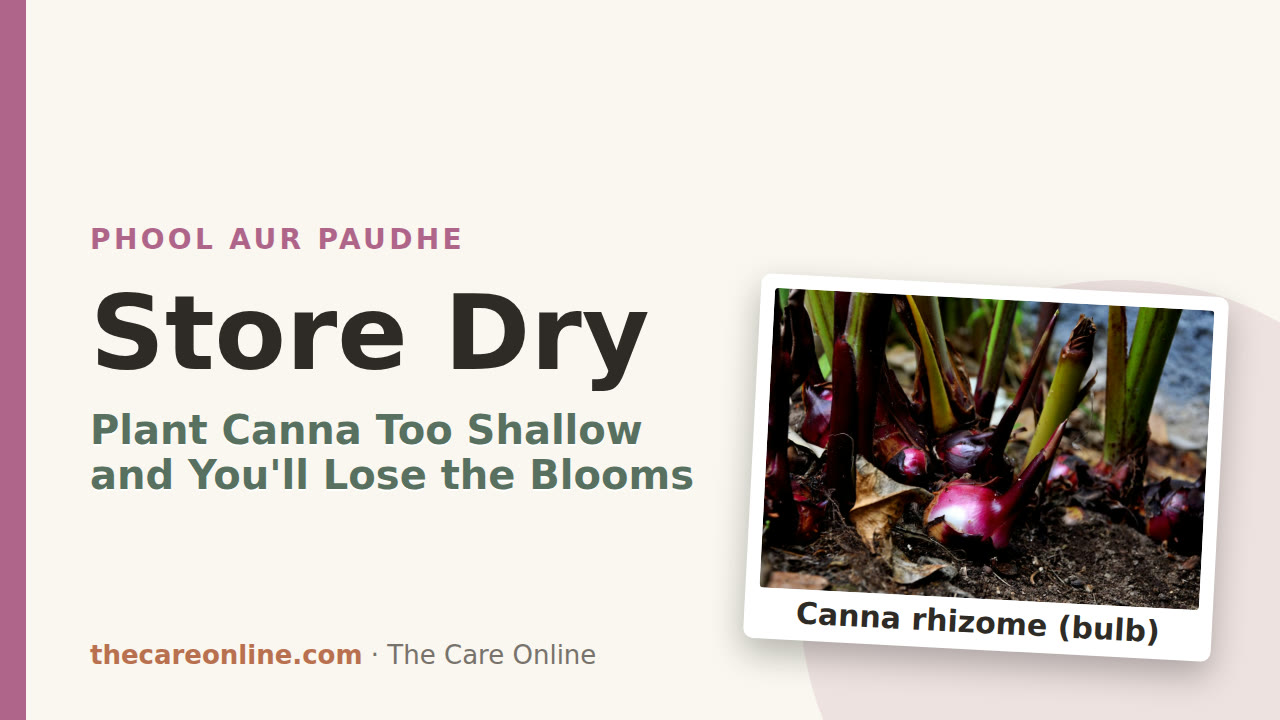
How to Grow Canna: Planting Depth, Pots, Dividing and Storing
 Flowers & Plants
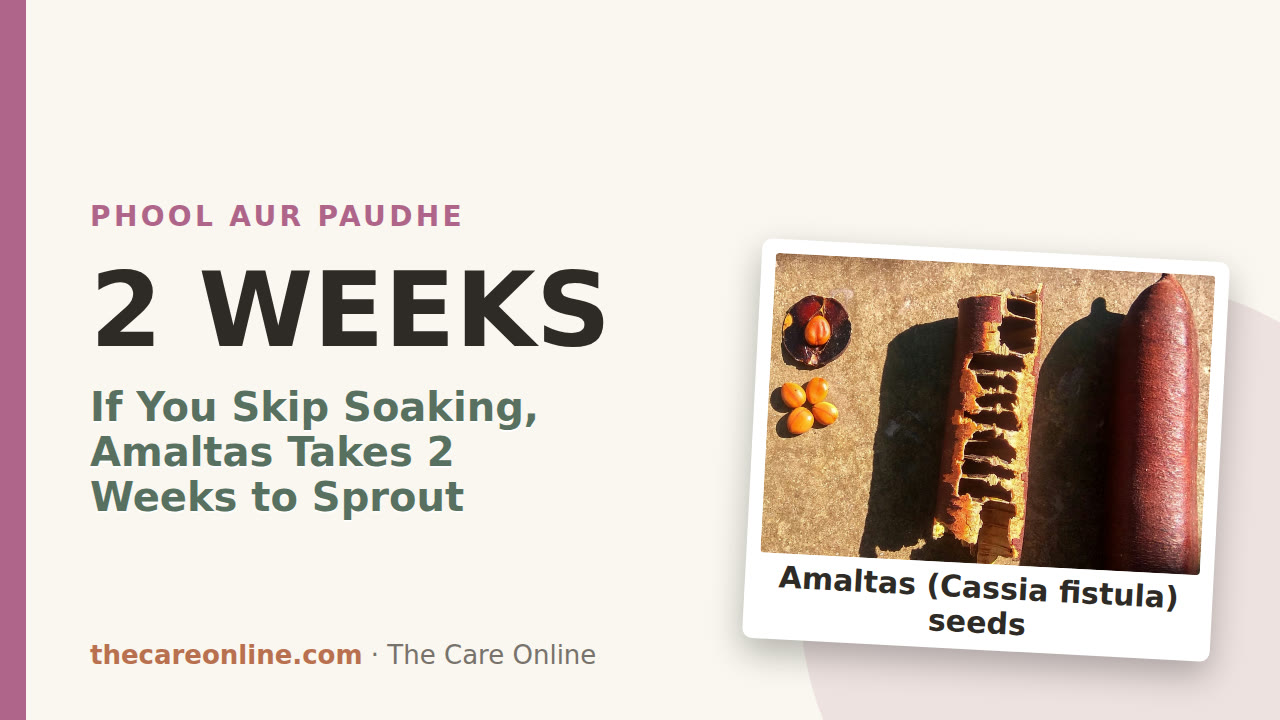
How to Grow Amaltas Tree (Golden Shower): Seed, Roots, Care
 Flowers & Plants
How to Grow Gulmohar Tree: Space, Roots, Seed and Storm Pruning
 Flowers & Plants
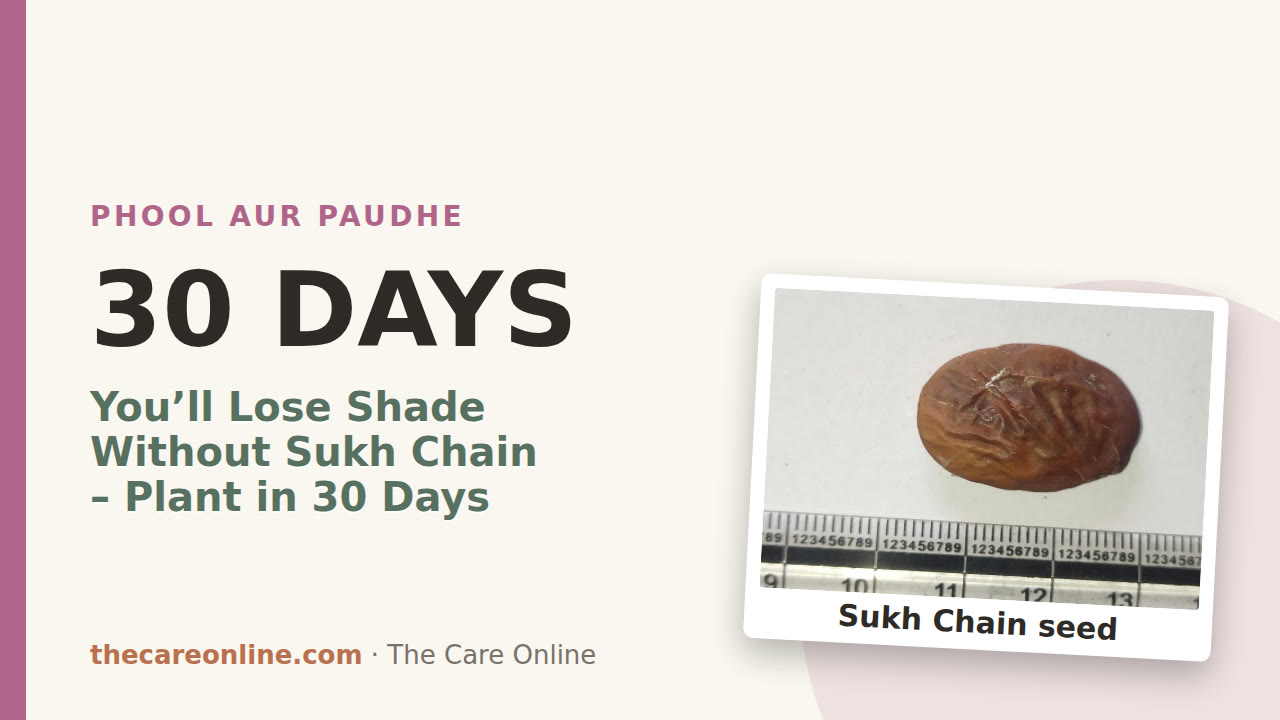
How to Grow Sukh Chain Tree (Pongamia): A Native Shade Pick
 Flowers & Plants