How to Grow Harsingar (Parijat): Cuttings, Pruning, Flowers (Video)
Read the full written guide: How to Grow Harsingar (Parijat): Cuttings, Pruning, Flowers →
Harsingar, also called parijat or night jasmine, is one of the most beautiful flowering trees for Indian gardens. But many people struggle to get flowers. This video breaks down the simple care routine, the right pruning time, and the one mistake that stops your tree from blooming.
Based on our detailed blog post, this video covers cuttings, pot versus ground planting, year-round care, and troubleshooting yellow leaves and missing flowers. Whether you're in Punjab, Karachi, or anywhere in between, you'll know exactly what to do.
Show the full transcript
Transcript
Harsingar not flowering? The one pruning mistake explains it.
Harsingar not flowering? The one pruning mistake explains it.
Grow Harsingar
Stay for the one pruning mistake that quietly kills your autumn flowers.
October Dawn Magic
Picture this: October dawn, you walk past a harsingar tree. The ground underneath is covered in tiny white petals with bright orange tubes, like someone spilled a basket of flowers. Growing one is simpler than people think. Root a cutting in the monsoon, give it five or six hours of sun, prune once in early spring, and leave it alone through autumn. Most failures come from shade and pruning at the wrong time.
Where It Thrives
Harsingar is native to the subcontinent and handles heat well, like a true desi. The Punjab plains, think Lahore, Delhi, Faisalabad, are its happiest range, plant in March or July to August. In the hot dry belt like Multan, give it mulch and afternoon shade in May and June. Karachi grows it well too, though flowering may be lighter. In Islamabad or Peshawar, shelter it from cold wind, light frost burns leaf edges.
Rooting Cuttings
Want the quickest route to flowers? Take cuttings. In July or August, cut fifteen to twenty centimetre pieces from this year's stems, firm but not woody. Trim below a node, remove all but the top two leaves, and cut those in half to reduce water loss. Dip the base in rooting hormone if you have it. Insert six to eight centimetres deep in equal parts soil, sand, and cocopeat. Take several cuttings, success is moderate, not certain.
Pot or Ground?
Grow it in the ground if you possibly can. It becomes a spreading shrub or small tree several metres tall, and pot-bound plants don't flower well. On a balcony, use at least a twenty-five to thirty litre pot. Mix two parts soil, one part compost, one part sand. Prune hard every spring, and repot or root-prune every two to three years.
Sunlight Needed
The number everyone gets wrong: sunlight. Harsingar needs at least five to six hours of direct sun. That's the floor. Under five hours, you'll get plenty of green leaves and almost no flowers. Think about it, this tree evolved in open scrubland. Give it all the sun you can find, the difference between blooms and sulking is often just a couple of hours of light.
Year-Round Care
Caring for harsingar is a rhythm. In February, prune, add compost, start watering. From April through June, water deeply, pots may need daily water in forty-five degree heat. In July and August, take cuttings and check drainage in heavy rain. September to November is peak bloom, keep moisture steady and don't prune. Add compost in February, then from July give a liquid feed with more phosphorus and potassium than nitrogen, skip after October.
Yellow Leaves Explained
If leaves turn yellow in winter, don't panic, that's normal. In summer, yellow leaves with green veins mean a nutrient shortage in alkaline soil, add compost and iron chelate or a micronutrient mix. Overall yellowing with wet soil means waterlogging, ease off watering. Caterpillars: pick off by hand. Mealybugs: dab with a soapy cotton bud.
The One Pruning Mistake
And here's the one mistake that decides your flowers. Prune in February or early March, before the spring flush. Harsingar flowers on new shoots that grow through summer, so a spring cut gives more branch tips and more flowers. But prune in June or July, and you're cutting away those shoots just as buds form. The result? A thin, sad show that autumn. Mark your calendar: February, prune. June, hands off.
Should You Grow It?
So should you grow one? It depends. With a lawn or courtyard and six hours of sun, go for it, low effort, years of autumn scent. On a large roof pot, it's a maybe, you'll need twenty-five to thirty litres and yearly pruning. On a shady balcony, skip it, it won't flower well. Pick the right spot and you'll get that incredible October fragrance, it's worth it.
Like, subscribe and comment
If this helped, a like and a subscribe really help. Drop your question in the comments.
Read the full guide
The full guide is on thecareonline.com. General information only, so check with your doctor for your own case.
More videos
 Flowers & Plants
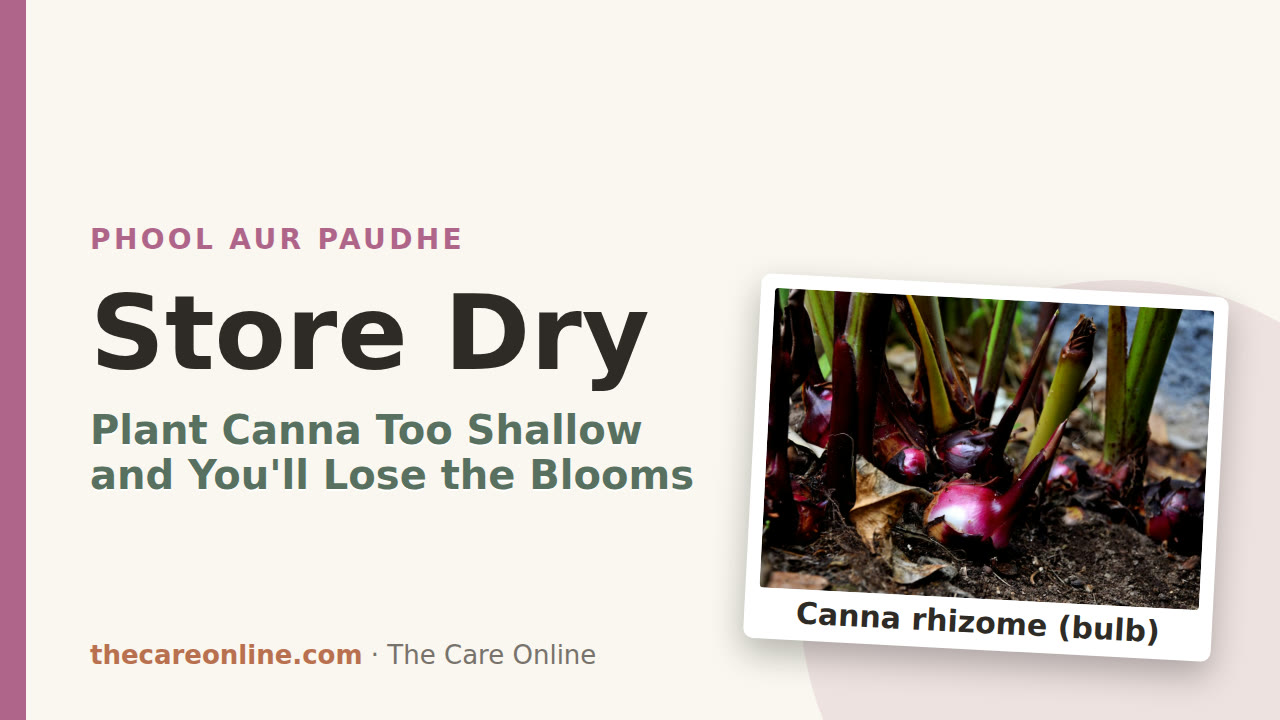
How to Grow Canna: Planting Depth, Pots, Dividing and Storing
 Flowers & Plants
How to Grow Tecoma (Yellow Bells) From Cuttings, and Prune It
 Flowers & Plants
Lawn Grass Types in Pakistan: Korean vs Bermuda vs Dichondra
 Flowers & Plants
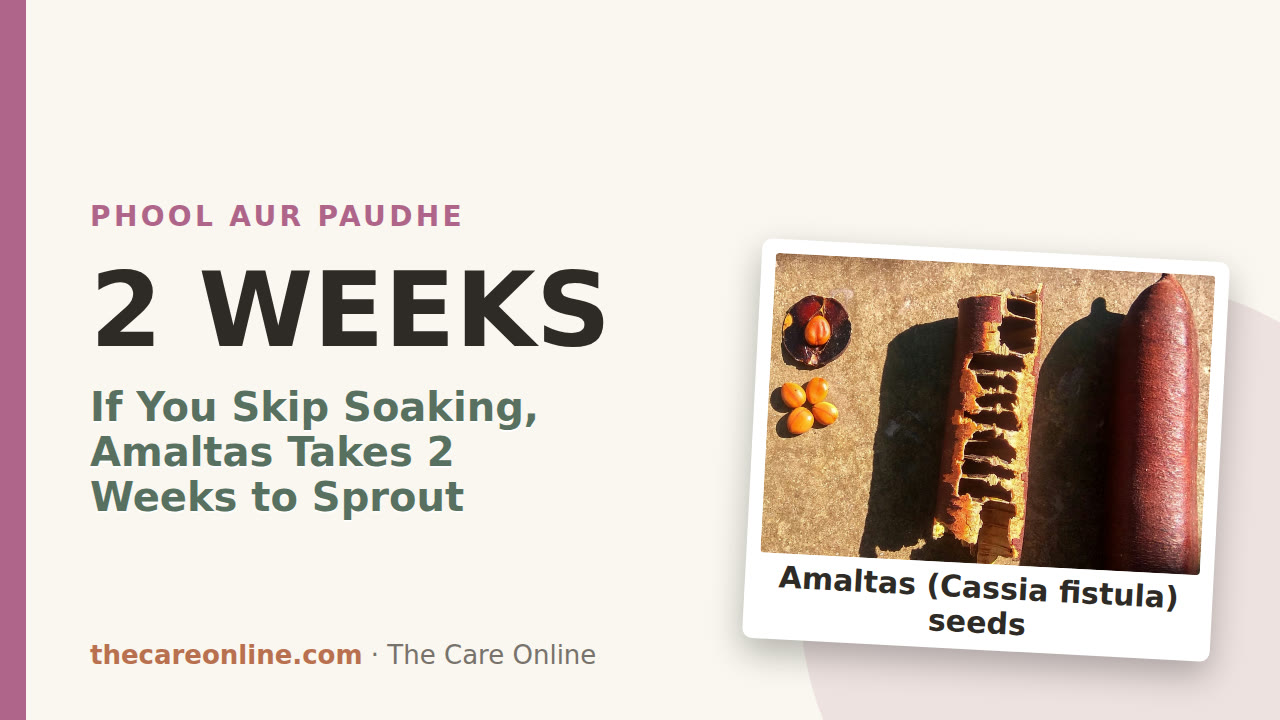
How to Grow Amaltas Tree (Golden Shower): Seed, Roots, Care
 Flowers & Plants
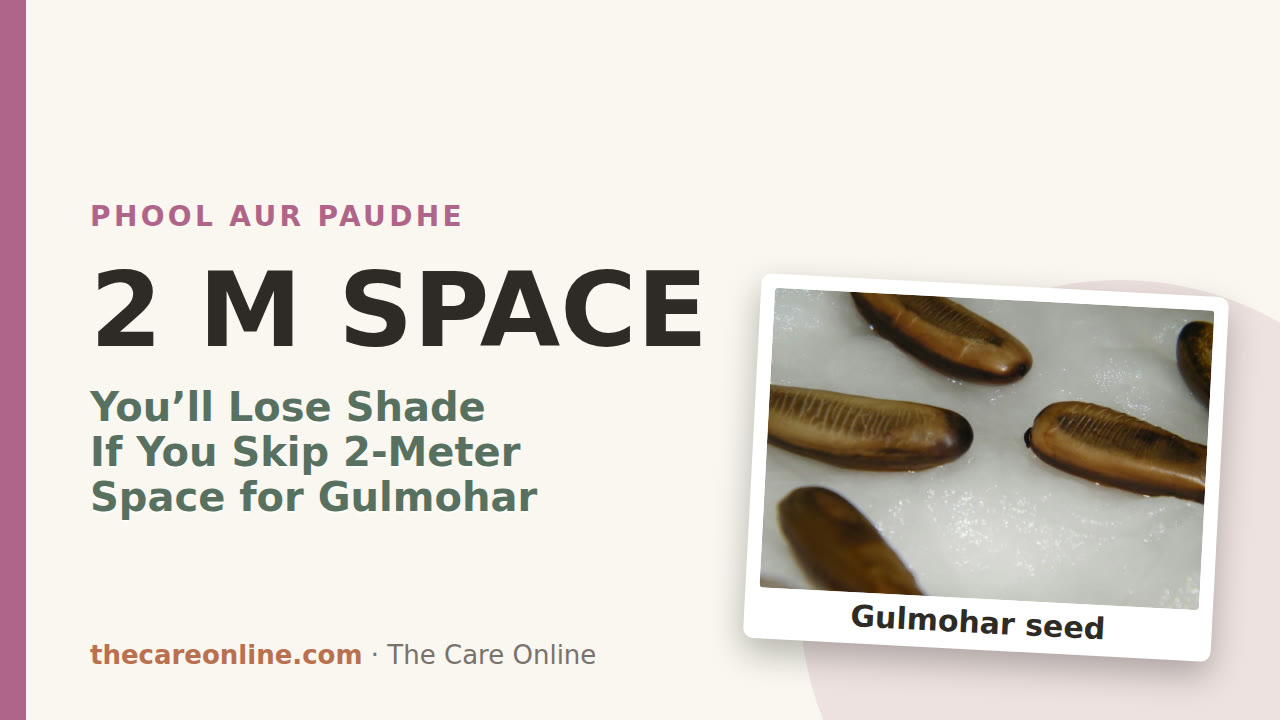
How to Grow Gulmohar Tree: Space, Roots, Seed and Storm Pruning
 Flowers & Plants