How to Grow Gaillardia (Blanket Flower) in Hot, Dry Summers (Video)
Read the full written guide: How to Grow Gaillardia (Blanket Flower) in Hot, Dry Summers →
Blanket flowers (gaillardia) are the answer to scorching summer gardens. This guide covers when to sow in Pakistan and North India, how to grow from seed, the perfect gritty potting mix, and the one mistake that kills these tough little beauties. Learn the cut-back trick for a second bloom and how to save seeds for next year.
Whether you garden in Karachi, Lahore, Multan, or Delhi, you'll find the right timing and technique for your climate. Written in plain, friendly language with practical tips you can use today. No jargon, no fluff, just what works.
Show the full transcript
Transcript
One mistake kills blanket flowers: kindness.
One mistake kills blanket flowers: kindness.
Grow Gaillardia in Heat
Here's the short, honest answer, and one tip most people miss.
The Flower That Loves Heat
Gaillardia, or blanket flower, is the one thing that keeps blooming when everything else in your garden fries. It throws out red, orange, and yellow pinwheels for months. The secret? Poor, sandy, fast-draining soil and almost no fussing. Full sun, sparse water, and it rewards you all season. But here's the twist: most people kill it by being too nice.
Seed or Seedlings?
Should you start from seed or buy nursery seedlings? Honestly, seed. Gaillardia seed is big, easy to handle, and germinates without any fuss in warm weather. One packet fills a whole terrace edge. Nursery seedlings save you about six weeks, but only if you missed the sowing window or want a specific colour. Just avoid plants sitting in soggy black soil, because they often arrive with root rot already started.
Where and When It Works
This is where gaillardia shines. In Karachi, sow in October for winter colour. In Multan and Bahawalpur, it's one of the few flowers that keeps going in dry heat. Lahore and Delhi can do spring and autumn sowings. Islamabad? March to April, with mature plants shrugging off light frost. Spring sowings carry through the heat; autumn ones flower from late winter into spring.
Starting Seeds Step by Step
Here's how easy it is. Fill a tray with equal parts soil, sand, and cocopeat, with no manure yet. Press seeds onto the surface and barely cover them, because light helps them sprout. Mist and keep them just moist in bright shade. Seedlings appear in a week or two. Then move them to full sun right away, or they'll stretch and flop. That's genuinely all there is to it.
Poor Soil, Less Water
Now, here's the potting mix. Gaillardia hates rich, heavy soil. Use two parts soil, one part coarse sand, and at most one part compost. Clay or terracotta pots help because they dry faster. Feeding? Almost none. A spoonful of compost every six weeks, or a weak flowering feed once a month. Rich feeding gives floppy, leafy plants with fewer flowers. In forty-five degree heat, water deeply at dawn.
Cut Back for a Second Show
Here's a trick that feels wrong but works. When flowering slows in peak summer, take clean scissors and cut every stem back by about a third. Give one deep watering. Within a few weeks, new buds appear. Between cutbacks, deadhead, meaning snip each faded flower below its head, and the blooms keep coming. It's like hitting reset on your blanket flower.
Six Hours of Sun Minimum
If your gaillardia is all leaves and no flowers, here's the first thing to check: sun. Six hours of direct sun, minimum. Anything less and it just grows foliage. Too much food or water also makes it lush and green with zero buds. And not deadheading means the plant puts energy into seed instead. If it's still young, give it two to three months.
Annual or Perennial?
So is it annual or perennial? Both, honestly. The wild type is usually grown as an annual, while the garden hybrid is a short-lived perennial. On the plains, most plants flower hard for a year, sometimes two, then decline. Just resow or let it self-seed. And if you save seeds, know this: hybrids may not come true, so you'll get a surprise mix of colours. Many growers actually love that.
Few Pests, One Big Problem
Pests are rarely a problem. Aphids on buds? Wash them off. Powdery mildew in humid weather? Space plants out and water the soil, not the leaves. But here's the serious one: if leaves yellow and collapse from the base in wet weather, that's root rot. Lift the plant, check for brown mushy roots, and start again in drier mix. Keep chemicals as a last resort.
Worth Knowing First
One quick heads-up. Gaillardia isn't on the seriously poisonous lists, but it's not food either. The hairy leaves can irritate sensitive skin, so wear gloves for big cutbacks. Bees absolutely love it, so think about placement if someone in the house has a bee sting allergy. And kids shouldn't eat flowers or seeds from any ornamental plant. Common sense, really.
The One Mistake to Avoid
So here's the one mistake I promised. Overwatering. Rich, wet soil rots gaillardia, and that's how most people kill it. Signs are sneaky: leaves yellow, the base collapses, and by the time you notice, roots are brown and mushy. Prevention: gritty soil, terracotta pots, water only when the top three centimetres are dry. In monsoon, stop watering on rainy days and lift pots onto bricks. Kindness kills. Tough love keeps it blooming.
Like, subscribe and comment
If this helped, a like and a subscribe really help. Drop your question in the comments.
Read the full guide
Read the complete guide on thecareonline.com. This is general information, not medical advice.
More videos
 Flowers & Plants
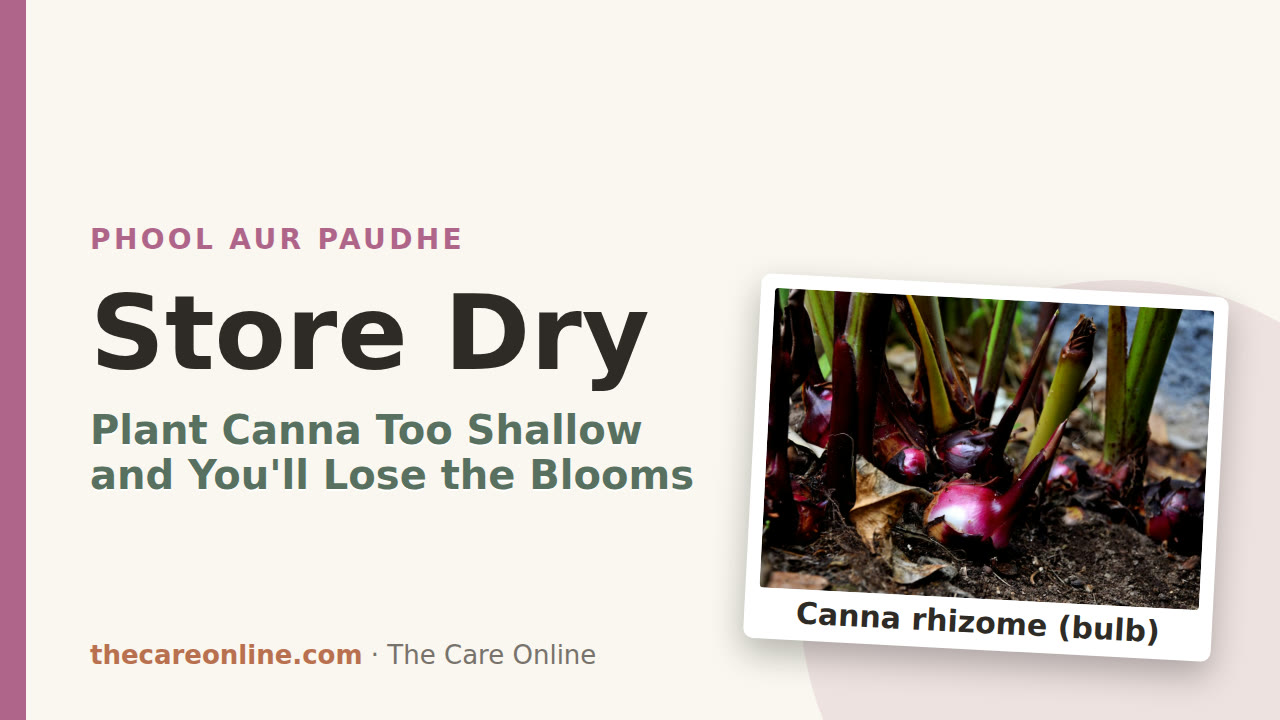
How to Grow Canna: Planting Depth, Pots, Dividing and Storing
 Flowers & Plants
How to Grow Tecoma (Yellow Bells) From Cuttings, and Prune It
 Flowers & Plants
Lawn Grass Types in Pakistan: Korean vs Bermuda vs Dichondra
 Flowers & Plants
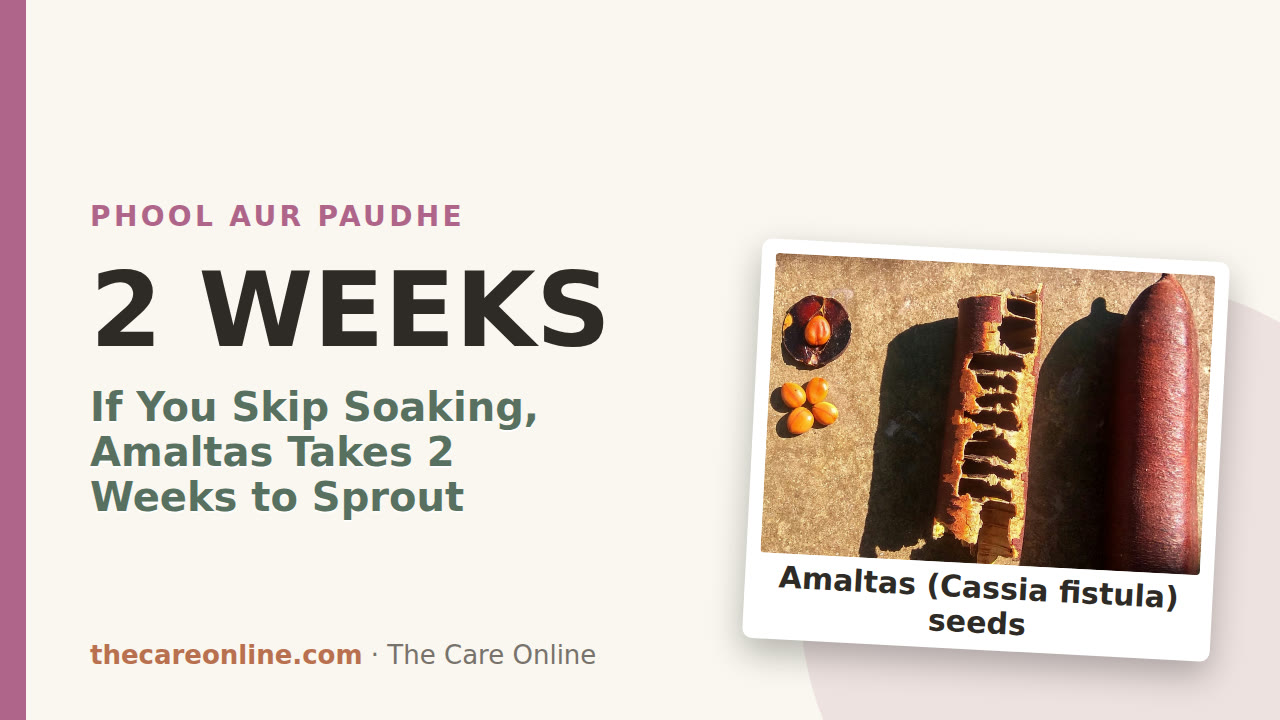
How to Grow Amaltas Tree (Golden Shower): Seed, Roots, Care
 Flowers & Plants
How to Grow Gulmohar Tree: Space, Roots, Seed and Storm Pruning
 Flowers & Plants