How to Grow Crape Myrtle: Small Lawn Tree, Pruning and Cuttings (Video)
Read the full written guide: How to Grow Crape Myrtle: Small Lawn Tree, Pruning and Cuttings →
Want a small tree that flowers through the hottest months? Crape myrtle, also known as phurush or saoni, is the perfect choice for small lawns. This guide covers which cities suit it best, how to plant it, when to prune, and the one feeding mistake that quietly steals your flowers.
Learn why seeds are unreliable, how to grow from cuttings, and how to keep your tree healthy through its first two years. We also cover common problems like powdery mildew and aphids, with organic first responses. Read the full post on thecareonline.com for all the details.
Show the full transcript
Transcript
Want a tree that flowers through summer heat?
Want a tree that flowers through summer heat?
Crape Myrtle for Small Lawns
Here's the short, honest answer, and one tip most people miss.
Does It Suit Your City?
Here's the thing: crape myrtle isn't fussy. Punjab plains like Lahore and Delhi? Perfect, cool winters and long hot summers give the best flowers. Islamabad and Peshawar? It handles cold fine, leaf drop in winter is normal. Multan and Bahawalpur? It flowers in heat once established, just water well the first summers. Karachi? It grows, but humidity brings more powdery mildew, so pick an airy spot.
Safe Near Walls and Pipes?
For most gardens, yes, it's perfectly safe. The RHS says most trees never cause building problems, and risk rises with tree size, closeness, thirsty species, and shrinkable clay. Crape myrtle is none of those extremes. Keep it two to three metres from the house, and two metres clear of drains, and fix leaking joints, because those attract any tree's roots. Bonus: dwarf varieties live happily in a fifty litre pot for years.
Seed, Cutting or Nursery?
Want a particular colour? Don't gamble on seeds, they may not match the parent's shade. Cuttings or a nursery plant are reliable. Take fifteen centimetre softwood cuttings from this year's shoots in June or July, below a leaf joint. Strip lower leaves, dip in rooting powder, and push into sand and cocopeat. Cover with a clear bag or keep in a shaded, humid spot, mist when drying. Roots form in a few weeks.
How to Plant
Plant in February to March or July to August. Dig a pit about forty-five to sixty centimetres wide and deep, mix in a third compost, set the plant at bag depth, water deeply, and mulch. For pots, use two parts garden soil, one part compost, and one part sand, with a drainage hole. It's like making a proper bed for a guest, you wouldn't cram someone into a tiny, soggy corner.
Prune Like a Gardener
This is where most people go wrong. Crape myrtle flowers on new shoots, so prune in February before growth starts. Remove crossing, thin, and inward branches, and cut seed heads back to a pencil-thick bud. But don't chop trunks to stumps. Clemson Extension warns that habit, sometimes called crape murder, gives weak whips and spoils the tree's shape. If it's too big, get a dwarf variety. Snip spent flowers in July for a second flush.
Height range by variety
It grows quickly and flowers young, often in its first or second year. Height depends on the variety: dwarfs stay under one and a half metres, standard types settle around three to six metres, and some reach about nine metres. Ask the nursery which type they have, and buy one that's flowering so you see the colour. A nine metre tree in a five marla house would be chaos.
First Two Years Care
Clemson advises regular irrigation for about two years. In the plains, that's a deep soak twice a week in summer, weekly otherwise. Feeding should be light: compost in spring and a light balanced NPK feed at pack rates in March. Heavy nitrogen means fewer flowers, so don't overdo it. In winter, don't panic when leaves drop and turn orange in Islamabad and Lahore. That's rest, not death.
Common Problems, Fixes
White powder on leaves and buds? That's powdery mildew, fix with more sun and airflow, thin the crown and remove the worst shoots. Sticky leaves with a black film? That's aphids and sooty mould, so hose them off or use a mild soap spray in the evening. Few flowers? Check for shade, heavy nitrogen, or wrong pruning time. Yellow leaves in a pot? That's waterlogging, check the drainage hole and water less.
Before You Try It
One heads-up before you bring one home. Crape myrtle isn't dangerous, but no ornamental is food, so teach children not to eat the seeds or flowers. Aphid honeydew drips onto cars and furniture underneath, so think about where you park. If you go beyond soap and water, read the label fully, wear gloves, and keep kids and pets off until it dries. Allergies? Check the Pakistan pollen calendar, though crape myrtle is rarely the culprit.
The one feeding mistake
So here's the one mistake that quietly steals your flowers: feeding too much nitrogen. It sounds counterintuitive, but heavy nitrogen makes the tree put energy into leaves instead of blooms. The fix is simple: compost in spring, and a light balanced NPK feed at pack rates in March. That's it. Crape myrtle is a tough, forgiving tree, just don't overfeed it, and it'll reward you with months of flowers.
Like, subscribe and comment
Like, subscribe, and share your own experience in the comments below.
Read the full guide
Read the complete guide on thecareonline.com. This is general information, not medical advice.
More videos
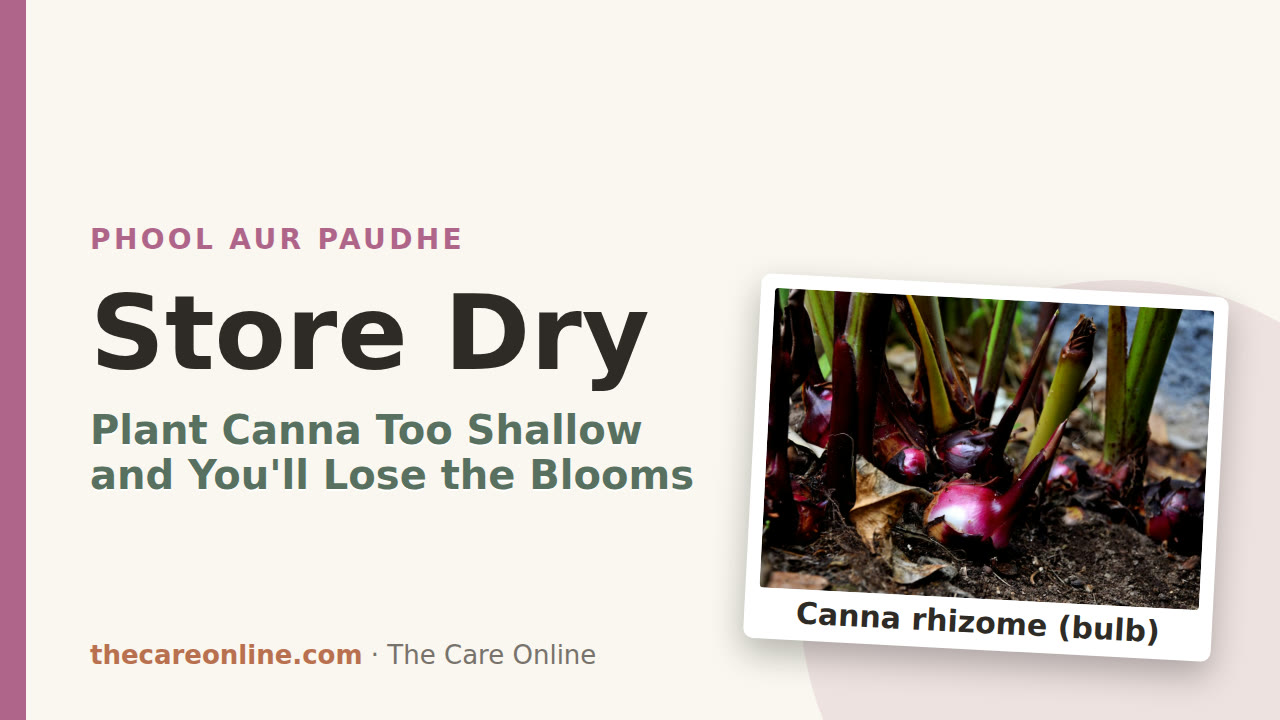 Flowers & Plants
How to Grow Canna: Planting Depth, Pots, Dividing and Storing
 Flowers & Plants
How to Grow Tecoma (Yellow Bells) From Cuttings, and Prune It
 Flowers & Plants
Lawn Grass Types in Pakistan: Korean vs Bermuda vs Dichondra
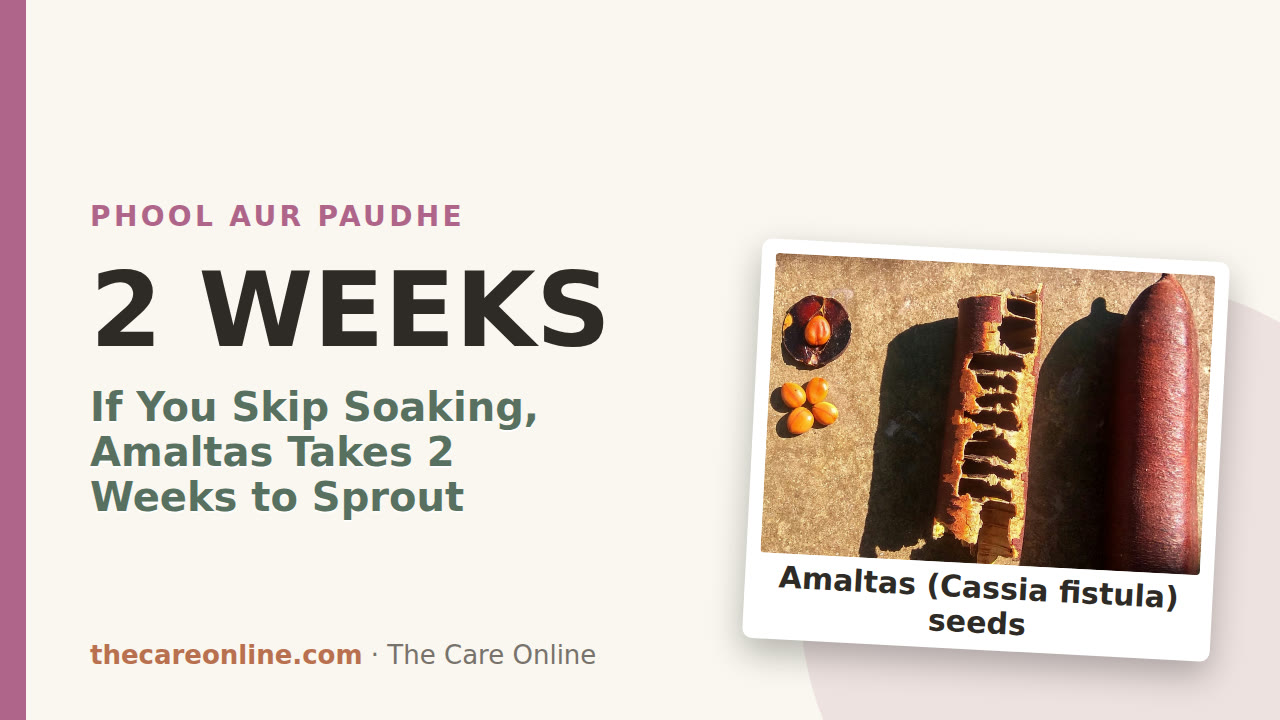 Flowers & Plants
How to Grow Amaltas Tree (Golden Shower): Seed, Roots, Care
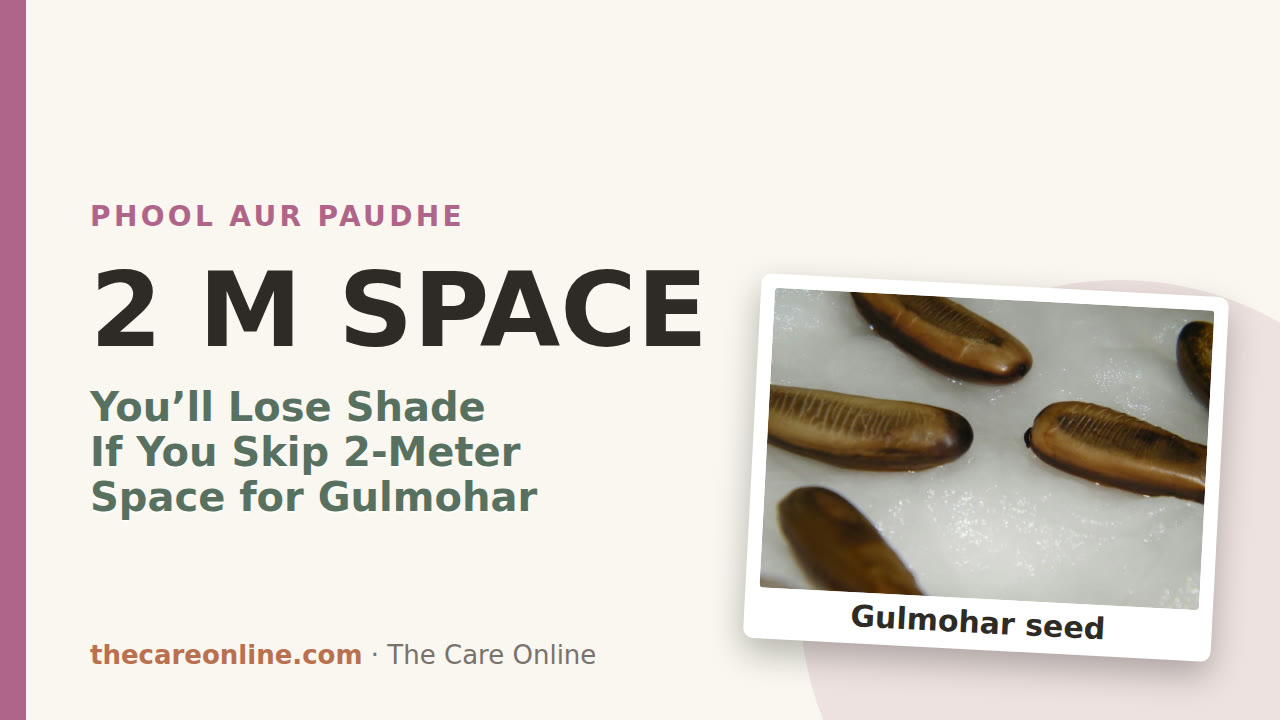 Flowers & Plants
How to Grow Gulmohar Tree: Space, Roots, Seed and Storm Pruning
 Flowers & Plants