How to Grow Calathea and Maranta Without Crispy Brown Edges (Video)
Read the full written guide: How to Grow Calathea and Maranta Without Crispy Brown Edges →
how to stop brown leaf edges on calathea maranta leaf brown tips fix In this video we show the single habit that keeps your prayer plants healthy—proper humidity, watering technique, and light placement. Learn why brown edges appear, how to adjust watering, and the quick daily misting routine that restores moisture. Follow the step‑by‑step guide and see the difference in just a few days. Daily honest desi health tips — thecareonline.com If this is persistent or affecting your daily life, see a doctor.
Show the full transcript
Transcript
Brown leaf edges? The answer lies in one simple habit.
Brown leaf edges? The answer lies in one simple habit.
Calathea & Maranta Basics
Imagine your prayer plants thriving with vivid, crisp leaves, no brown edges in sight. In this quick guide, I'll walk you through light, water, humidity, soil, and a simple habit that makes all the difference. Stick around, because the best tip lands right at the end. You’ll see the difference quickly.
Light & Placement
Here's the thing about light: calathea and maranta love bright, indirect rays. A north-facing window or a spot a metre or two from an east window works perfectly. Keep sheer curtains handy to filter any harsh sun, and avoid placing them under direct afternoon glare.
Watering interval
And this is where it gets interesting: the soil should feel like a wrung-out sponge. In warm months you’ll check the top two centimeters daily, and if it feels dry, give it a drink. That usually means watering every two to three days, especially in air-conditioned rooms.
Humidity Corner
Now, the part most people miss is the humidity corner. Fill a wide tray with pebbles, add water just below the pebble tops, and set your plant in the middle. Surround it with a couple of leafy friends; together they create a micro-climate that keeps the air moist without a spray bottle.
Soil & Feeding
Think about it: calathea needs a light, moisture-holding but well-draining mix. A good recipe is two parts cocopeat, one part compost or leaf mould, one part perlite, plus a handful of fine bark. Feed with a balanced liquid fertilizer at quarter to half strength once a month from March through September.
Propagation
And this is where it gets interesting for expansion. In early spring, water your plant the day before you divide it. Gently tease the clump apart with your fingers, making sure each piece has several leaves and its own roots. Pot each division in a fresh 4-to-6-inch pot with the same mix.
Pot size
Here's the thing about pot size: a shallow, wide container lets the roots breathe and prevents water from sitting too deep. Aim for a pot about six to eight inches across, holding roughly one and a half to four litres of soil. That gives enough room for growth without overwhelming the plant.
The one trick
The one habit that stops crispy brown edges is simple: always use soft water and a pebble tray. Rain, distilled, or filtered water eliminates fluoride and salts, while the tray creates a humid micro-environment around the leaves. Keep the tray topped with water but not overflowing, and watch the edges stay green.
Like, subscribe and comment
Like, subscribe, and share your own experience in the comments below.
Read the full guide
The full guide is on thecareonline.com. General information only, so check with your doctor for your own case.
More videos
 Flowers & Plants
How to Grow Tecoma (Yellow Bells) From Cuttings, and Prune It
 Flowers & Plants
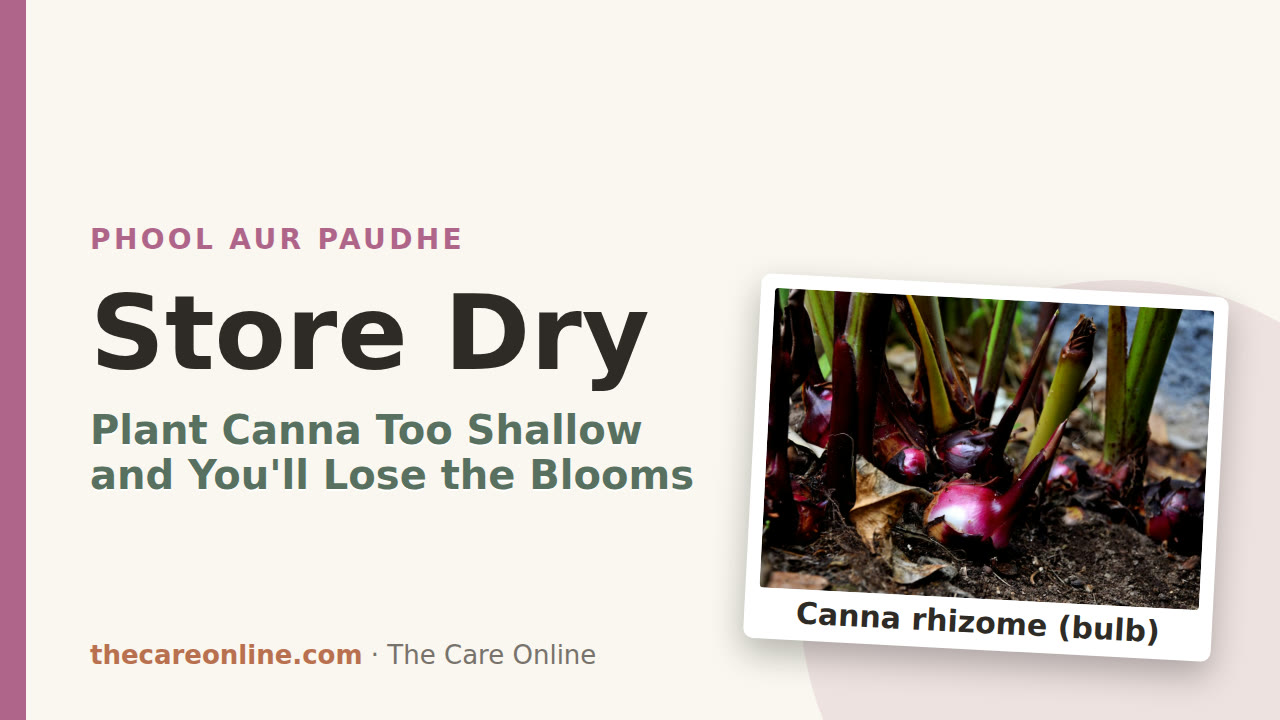
How to Grow Canna: Planting Depth, Pots, Dividing and Storing
 Flowers & Plants
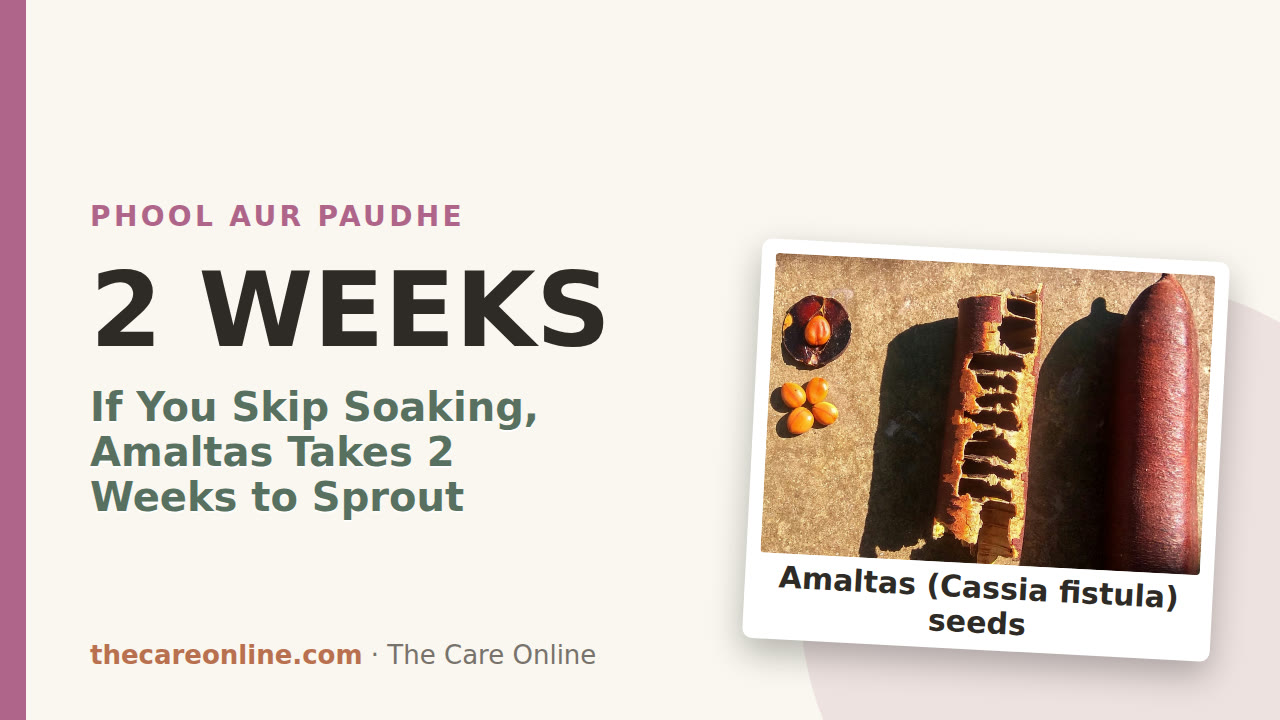
How to Grow Amaltas Tree (Golden Shower): Seed, Roots, Care
 Flowers & Plants
How to Grow Gulmohar Tree: Space, Roots, Seed and Storm Pruning
 Flowers & Plants
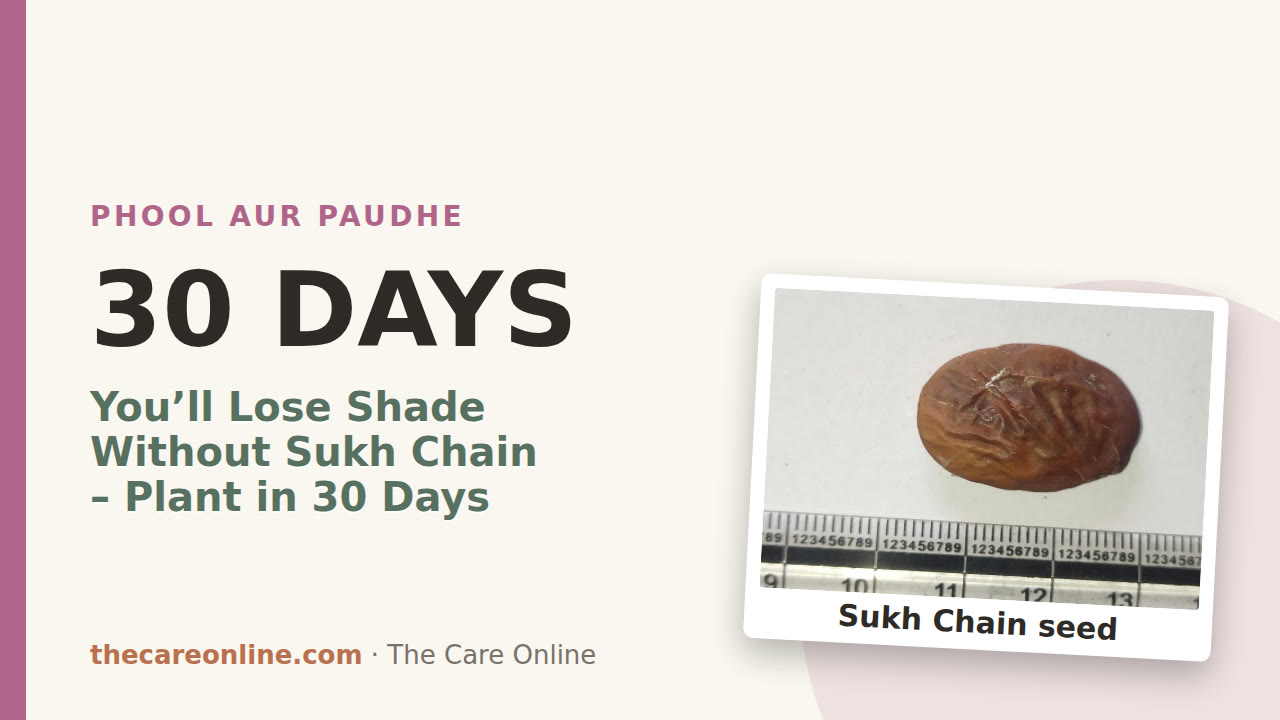
How to Grow Sukh Chain Tree (Pongamia): A Native Shade Pick
 Flowers & Plants