How to Grow Bird of Paradise Plant Indoors and Get It to Flower (Video)
Read the full written guide: How to Grow Bird of Paradise Plant Indoors and Get It to Flower →
Learn how to grow a bird of paradise indoors and actually get it to flower. This guide covers choosing between Strelitzia reginae and nicolai, finding the right window in a Pakistani flat, the ideal soil mix, watering schedules for every season, and the surprisingly simple trick that triggers blooms.
You'll also learn how to propagate by division, fix common leaf problems, and keep pets safe. Whether you have a sunny balcony or a north-facing flat, you'll know exactly what to expect before you buy.
Show the full transcript
Transcript
Most indoor bird of paradise never blooms. Want to know why?
Most indoor bird of paradise never blooms. Want to know why?
Bird of Paradise Indoors
Stay till the end for the one mistake that keeps your bird of paradise from blooming.
Which bird did you buy?
Here's the thing. Two plants are sold as bird of paradise. Reginae gives those orange crane flowers and stays about head height in a pot. Nicolai has huge banana-like leaves, grows into a tree outdoors, and rarely flowers indoors. Nurseries often sell nicolai as the indoor bird of paradise, so if you want orange flowers, ask to see a flowering plant first.
Which window works best?
This is a sun plant that tolerates indoors, not a shade plant. South facing is your best bet in a Pakistani flat, strong winter sun and bright light all year. West works too, just watch for scorch in June. East grows fine but flowers less. North? Skip it if you want flowers. Better still, from March to October, move it to a sunny balcony or roof.
Right pot size for flowers
Now, the part most people miss. Pot size matters more than you'd think. You want a pot between fifteen and forty litres, roughly ten to sixteen inches across. And don't rush to upsize. Move up only every two or three years, and when you do, go just one size bigger, about five centimetres wider. A huge pot sounds generous, but it actually delays flowers.
Best soil mix
For soil, think rich but free draining. Two parts garden soil, one part compost, and one part coarse sand or perlite. That mix lets water flow through without sitting soggy. And use a heavy terracotta or cement pot, not a light plastic one. This plant gets top heavy, and on a windy balcony, a plastic pot will tip over.
How often to water
Watering is simpler than people make it. Water deeply, then wait until the top half of the soil feels dry. In summer indoors, that's about once a week, check with your finger. On a hot balcony in forty-plus degrees, every two to three days. During monsoon, only when dry, never in a flooded saucer. In winter, every two weeks. Those fleshy roots rot if they stay wet and cold.
Crowded roots, more flowers
And this is where it gets interesting. Bird of paradise flowers better when its roots fill the pot. Many growers hold off repotting until roots push out of the drainage hole. Then they move up just one size, about five centimetres wider. Jumping into a huge pot buys you two or three years of leaves and no flowers. Patience plus sun is the whole trick.
Propagate by division
Want more plants? Division is the practical way. In March or April, water the day before, then ease the plant out of its pot. Get help, it's heavy. Find a natural split where a side fan has its own roots, ideally three or more leaves. Cut through the rhizome with a clean knife, dust with ash or cinnamon, let it dry, and pot it up. Seed is painfully slow, so most home growers don't bother.
Yellow, brown or split leaves?
Now, what about ugly leaves? Splits along the leaf are natural, from wind or handling, and actually help the plant shed wind. Yellow lower leaves with wet soil mean overwatering, so water less and check drainage. Brown crispy edges usually mean dry AC air or underwatering, so water deeper and steadier. Curled leaves signal thirst or very low humidity, so water and group plants together.
Who should be careful
One quick heads-up. Strelitzia is low in toxicity to people, mostly from the seeds and fruit, causing mild nausea and vomiting. But it's a problem for cats and dogs. Keep seed pods away from toddlers and pets, and call a doctor or vet if a quantity is eaten. Also, another shrub, Caesalpinia gilliesii, is sold as bird of paradise and is more toxic to pets, so check the botanical name.
The one mistake to avoid
So what should you do? Grow reginae if you have a south or west window or a sunny balcony, and can wait a few years for flowers. Grow nicolai if you want dramatic leaves and have the height. Skip both in a north facing flat if flowers are your goal. Because here's the one mistake to avoid: shade. This plant punishes shade more than any other. Most indoor plants that never bloom simply never got enough sun.
Like, subscribe and comment
Useful? Like and subscribe, and tell us in the comments what we should check next.
Read the full guide
The full guide is on thecareonline.com. General information only, so check with your doctor for your own case.
More videos
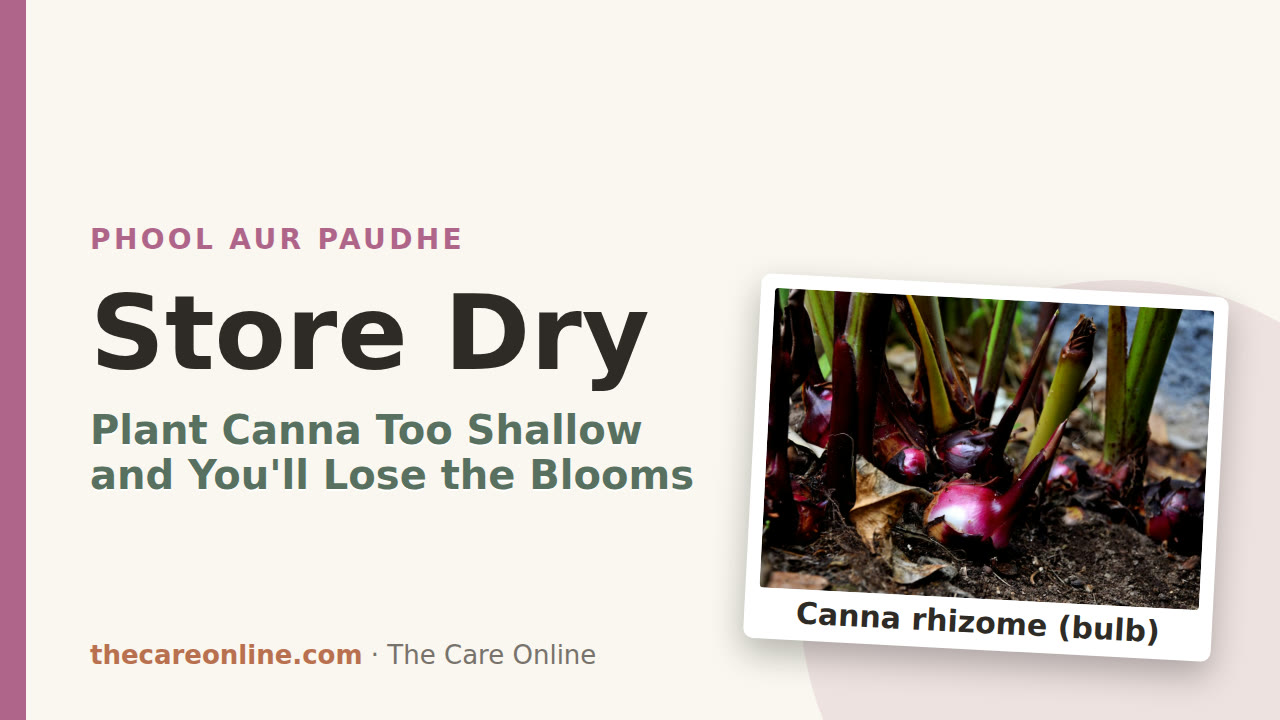 Flowers & Plants
How to Grow Canna: Planting Depth, Pots, Dividing and Storing
 Flowers & Plants
How to Grow Tecoma (Yellow Bells) From Cuttings, and Prune It
 Flowers & Plants
Lawn Grass Types in Pakistan: Korean vs Bermuda vs Dichondra
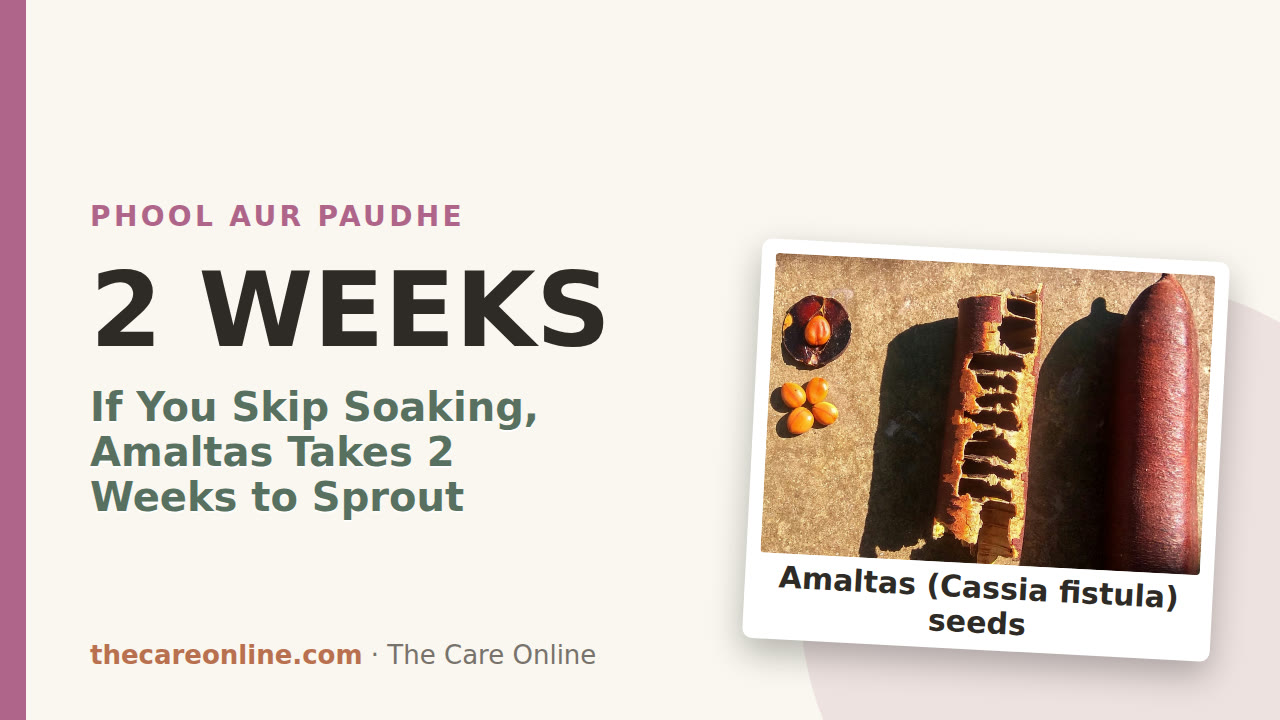 Flowers & Plants
How to Grow Amaltas Tree (Golden Shower): Seed, Roots, Care
 Flowers & Plants
How to Grow Gulmohar Tree: Space, Roots, Seed and Storm Pruning
 Flowers & Plants