Fragrant Plants for Home: Motia, Raat ki Rani and When They Smell (Video)
Read the full written guide: Fragrant Plants for Home: Motia, Raat ki Rani and When They Smell →
Wondering which fragrant plant to grow at home? This honest guide compares motia, raat ki rani, kamini, harsingar, and rajnigandha, explaining when each one smells best. You'll learn why so many of these flowers bloom at night, which ones suit a balcony, and how to get more scent from the same plants.
We also cover the important safety side: raat ki rani can trigger headaches in sensitive people, its berries are poisonous to kids and pets, and the snake myth is just a myth. Practical advice for gardeners in Pakistan and North India. This isn't medical advice, so talk to a doctor for any serious concerns.
Show the full transcript
Transcript
Did you know the strongest-smelling flower in your garden can cause headaches?
Did you know the strongest-smelling flower in your garden can cause headaches?
Fragrant Plants for Home
Stay for the one thing about raat ki rani that keeps kids safe.
Pick by scent hour
The best fragrant plants for home in Pakistan or North India aren't about which smells nicest. It's about matching their scent hour to when you actually sit outside. Motia fills the evening with something sweet. Raat ki rani is the strongest, so strong it can give headaches. Kamini and harsingar are lovely too, but timing is everything.
Why night bloomers?
Now, the part most people miss: most of the strongest scents here are white or cream, and they open after sunset. They're built for moths, which find flowers by smell in the dark. That's a gift in a hot climate: you sit outside after the heat breaks, exactly when they perform. A daytime garden in May relies more on colour than scent.
Jasmine vs raat ki rani
So which one's better? For most homes, jasmine wins. Its scent is rich, but you can sit beside it. Raat ki rani fills a whole lane, lovely from the gate, overpowering from a charpai next to it. It also grows into a large, untidy shrub, while motia stays manageable in a twelve to fifteen litre pot. It depends on your space.
Plant by the wind
Here's a trick. Note where the evening breeze comes from on your roof or lawn. Plant strong scents a few metres upwind of where you sit, so the smell drifts to you lightly. Plant gentle ones like motia beside the chairs. A raat ki rani downwind barely reaches you, but upwind beside the chairs, it can be too much.
Can it cause headaches?
Can raat ki rani cause headaches? Yes, for some people. The strong night scent of Cestrum nocturnum is reported to cause headaches, sneezing, nose and throat irritation, nausea, and even breathing difficulty in sensitive people, especially those with asthma. Keep it out of bedrooms and away from windows that stay open at night. That's not dramatic, it's just practical.
Does it attract snakes?
Now, about snakes. Does raat ki rani attract them? No, that's a myth. Snakes don't seek out flowers or scent. But a dense, untrimmed shrub near a wall gives cover, and if the garden has rats or frogs, snakes may follow the food. Trim the base so you can see under it, clear rubble, and keep the area free of rodents.
Motia's happy pot size
What about balconies? Avoid raat ki rani on small balconies, there's no distance to soften it. Go for motia in a twelve to fifteen litre pot with five to six hours of sun. Rajnigandha takes three bulbs in a ten litre pot around February or March. Chandni tolerates part shade, and kamini works in a twenty litre pot if pruned.
Get more scent
You'll want more scent from the same plants? Give them full sun, jasmines in shade grow leaves, not flowers. Water in the evening on hot days, because a watered, cooled plant releases scent better that night. Feed with compost in spring and a phosphorus and potassium rich feed as buds form. Pick motia buds in the afternoon for a bowl indoors.
Allergies and kids
Strong scent itself can bother people with asthma or migraines, whatever the plant. Raat ki rani berries are poisonous, so keep them away from kids and pets. Kaner, that's oleander, is highly toxic in every part. So if you've got little ones or pets, check the list of plants dangerous to kids and pets before you bring anything new home.
The one safety rule
So here's the one thing I promised you. Keep raat ki rani away from bedrooms, and away from anyone with asthma, migraines, or a sensitive nose. Its berries are poisonous to children and pets, so remove them or plant it where small hands cannot reach. If a child swallows berries, call a poison centre or go to hospital.
Like, subscribe and comment
If this helped, a like and a subscribe really help. Drop your question in the comments.
Read the full guide
Read the complete guide on thecareonline.com. This is general information, not medical advice.
More videos
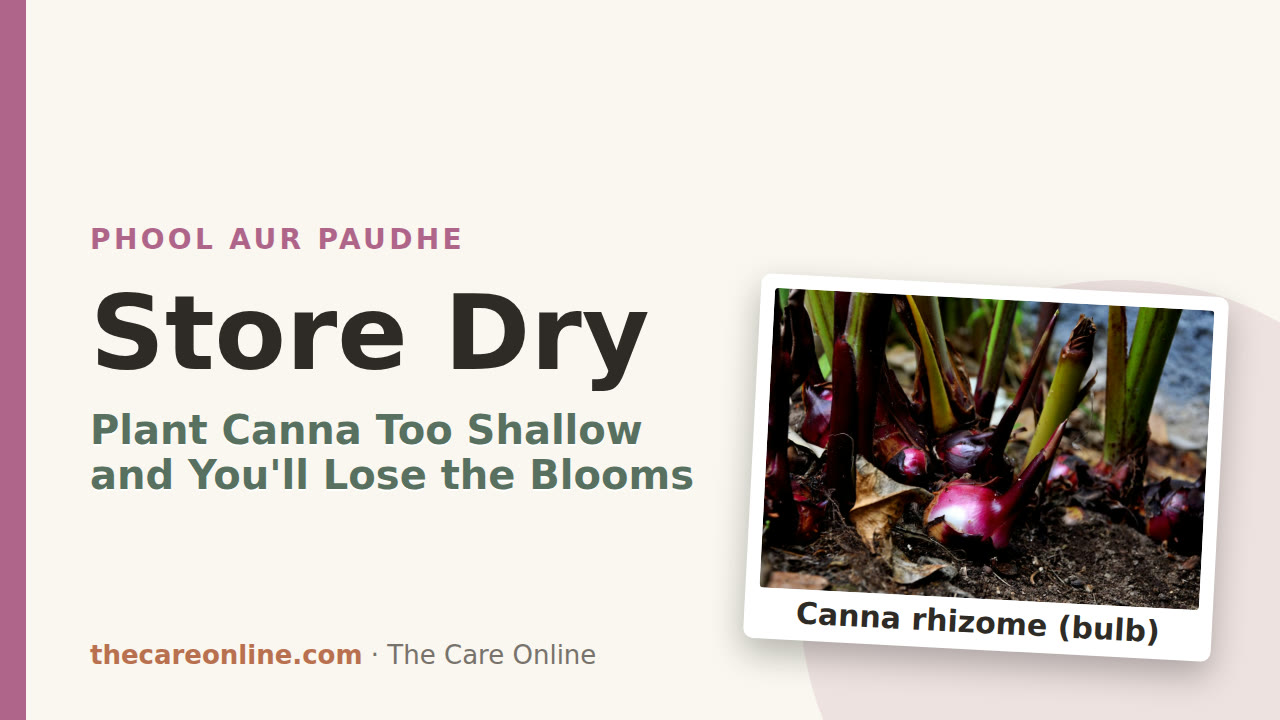 Flowers & Plants
How to Grow Canna: Planting Depth, Pots, Dividing and Storing
 Flowers & Plants
How to Grow Tecoma (Yellow Bells) From Cuttings, and Prune It
 Flowers & Plants
Lawn Grass Types in Pakistan: Korean vs Bermuda vs Dichondra
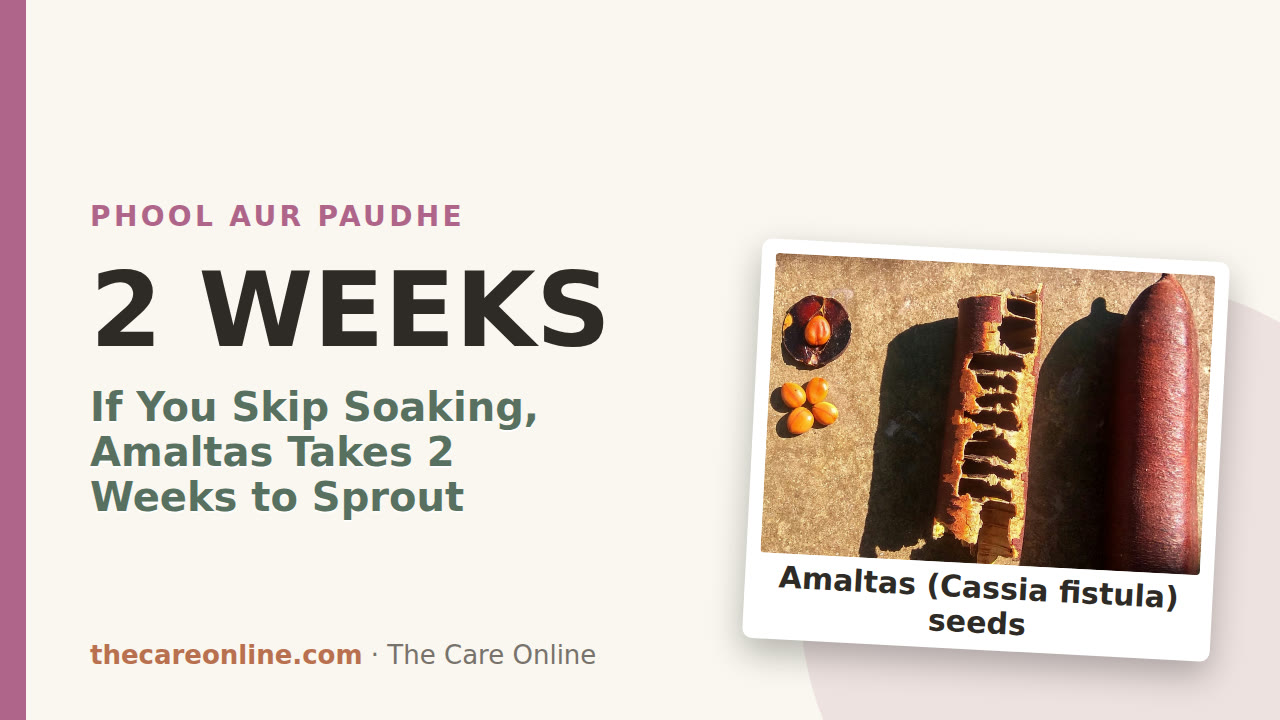 Flowers & Plants
How to Grow Amaltas Tree (Golden Shower): Seed, Roots, Care
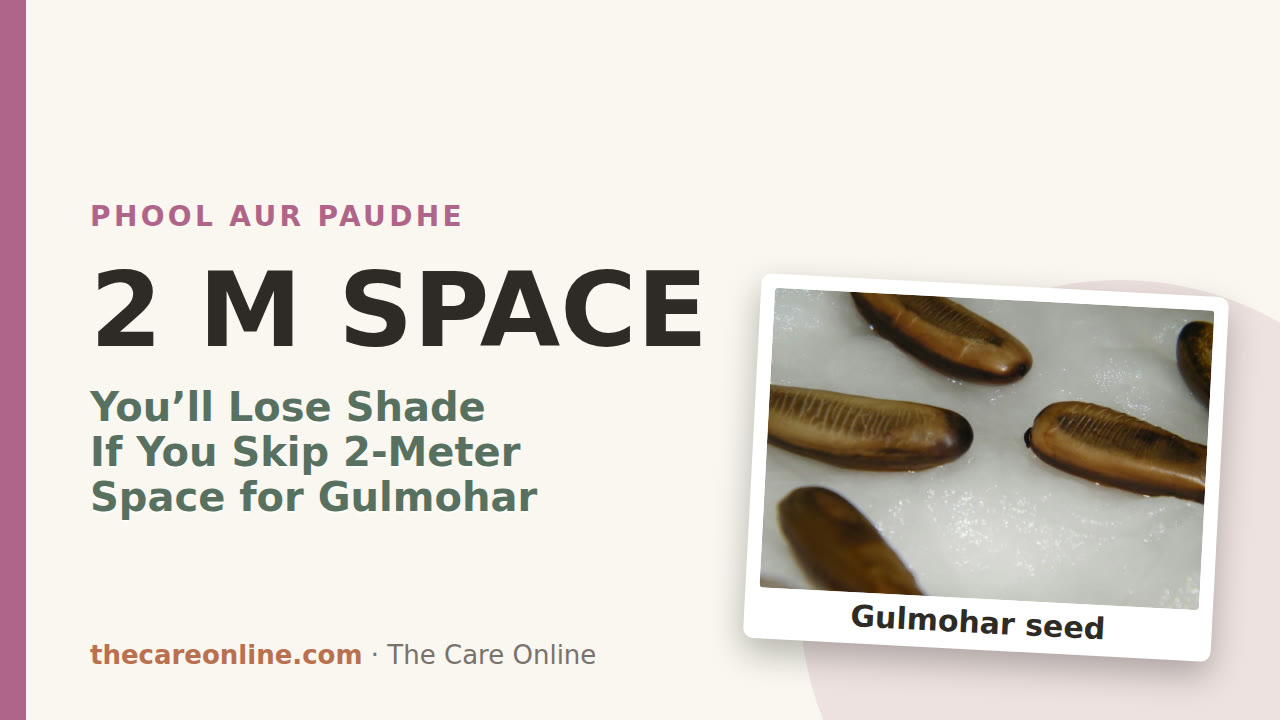 Flowers & Plants
How to Grow Gulmohar Tree: Space, Roots, Seed and Storm Pruning
 Flowers & Plants