How to Clean Plant Leaves in Smog Season: Leaf Shine Myths (Video)
Read the full written guide: How to Clean Plant Leaves in Smog Season: Leaf Shine Myths →
How to clean plant leaves during smog season Best way to remove dust from indoor plant leaves Smog season brings a fine layer of dust that settles on every leaf, blocking light and reducing photosynthesis. Over a couple of weeks you may notice yellowing edges, slower growth, and a dull appearance. The easy shortcuts—like wiping with milk or using glossy sprays—create a temporary shine but trap more particles and can harm the plant. Here’s a calm, step‑by‑step routine that works for both indoor pots and garden foliage: 1. Gather a soft microfiber cloth, a spray bottle with lukewarm water, and a small bowl of plain water. 2. Lightly mist the leaf surface; the moisture loosens the dust without soaking the plant. 3. Gently wipe each leaf in one direction, starting at the tip and moving toward the base. Use a fresh part of the cloth for each leaf to avoid spreading grime. 4. For hard‑to‑reach foliage, take the plant into a bathroom during a warm shower. The steam loosens dust, and a quick rinse with plain water clears it away. Pat dry with a clean cloth. 5. Repeat this routine every 7‑10 days during heavy smog periods. Consistency keeps the leaves vibrant and the plant healthy. Remember, the goal is to let the leaf breathe, not to coat it with a glossy finish. A clean leaf absorbs more light, supports stronger growth, and looks naturally glossy. If this is persistent or affecting your daily life, see a doctor.
Show the full transcript
Transcript
Did you know smog can coat leaves in just a week?
Did you know smog can coat leaves in just a week?
Clean Leaves Fast
Ever wonder why your indoor plants look dull when the city’s smog rolls in? In this quick guide I’ll walk you through the simplest, budget-friendly routine that actually works, and I’ll reveal the single habit that most people get wrong, right at the end.
How often to clean
The key is timing. In the Punjab plains and Delhi, smog peaks from November to January, so aim for a quick wipe every two to three weeks. If you live outside those hot spots, a monthly touch-up works just as well. Consistency keeps dust from building up.
Smog makes dust stick
Smog isn’t just a visual nuisance; it’s a fine layer of soot and dust that settles on every leaf. The cold, still air in winter makes the particles cling like a foggy windshield. A dusty leaf blocks light and can slow the plant’s already sluggish winter growth.
Wipe with damp cloth
Grab a soft cotton or micro-fibre cloth, dip it in room-temperature water, and wring it out until it’s just damp. For really grimy foliage, add one or two drops of mild, unscented liquid soap to a litre of water, wipe, then rinse with plain water. Avoid harsh dish soap, it strips the leaf’s natural wax.
Soap amount
A tiny amount of soap does the trick, just one to two drops per litre of water. That’s enough to loosen stubborn dust without leaving a residue. Too much soap can damage the leaf’s waxy coating, so keep it sparing.
Lukewarm bathroom rinse
Once a month, bring your small pots into the bathroom, seal the soil with a plastic bag, and give the leaves a gentle lukewarm shower from the hand shower. Let them drain for about an hour before moving them back. This washes both sides in one go and even discourages spider mites.
Skip shiny tricks
Milk, coconut oil, mayonnaise or commercial shine sprays might give a quick gloss, but they’re just a cosmetic coating. Milk can sour on a warm balcony and attract ants; oils sit as a sticky film that traps more dust and can block tiny pores. Stick to water and a damp cloth for a natural sheen.
The one mistake
The single habit that kills the effort is reaching for any oil-based shine product or spray. Those coatings lock in dust, suffocate the leaf’s pores, and can even scorch in bright sun. Keep it simple: a damp cloth and plain water, and your plant stays healthy.
Like, subscribe and comment
If this helped, a like and a subscribe really help. Drop your question in the comments.
Read the full guide
The full guide is on thecareonline.com. General information only, so check with your doctor for your own case.
More videos
 Flowers & Plants
How to Grow Tecoma (Yellow Bells) From Cuttings, and Prune It
 Flowers & Plants
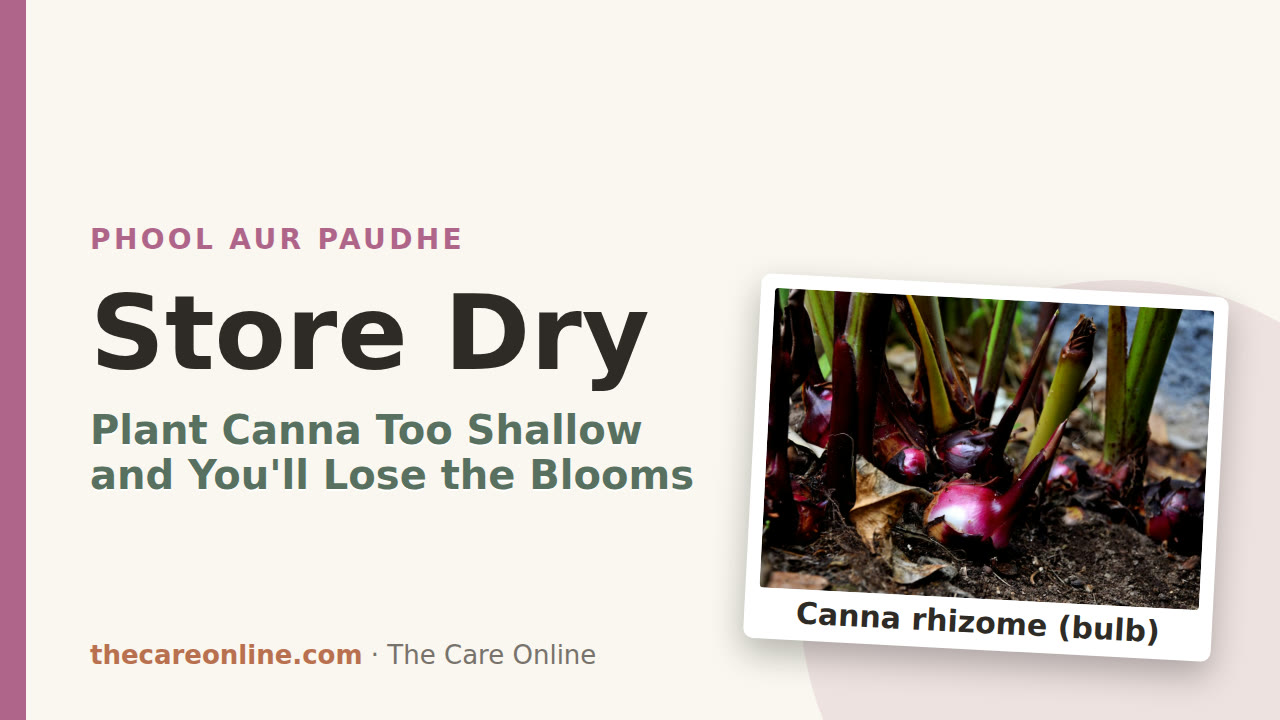
How to Grow Canna: Planting Depth, Pots, Dividing and Storing
 Flowers & Plants
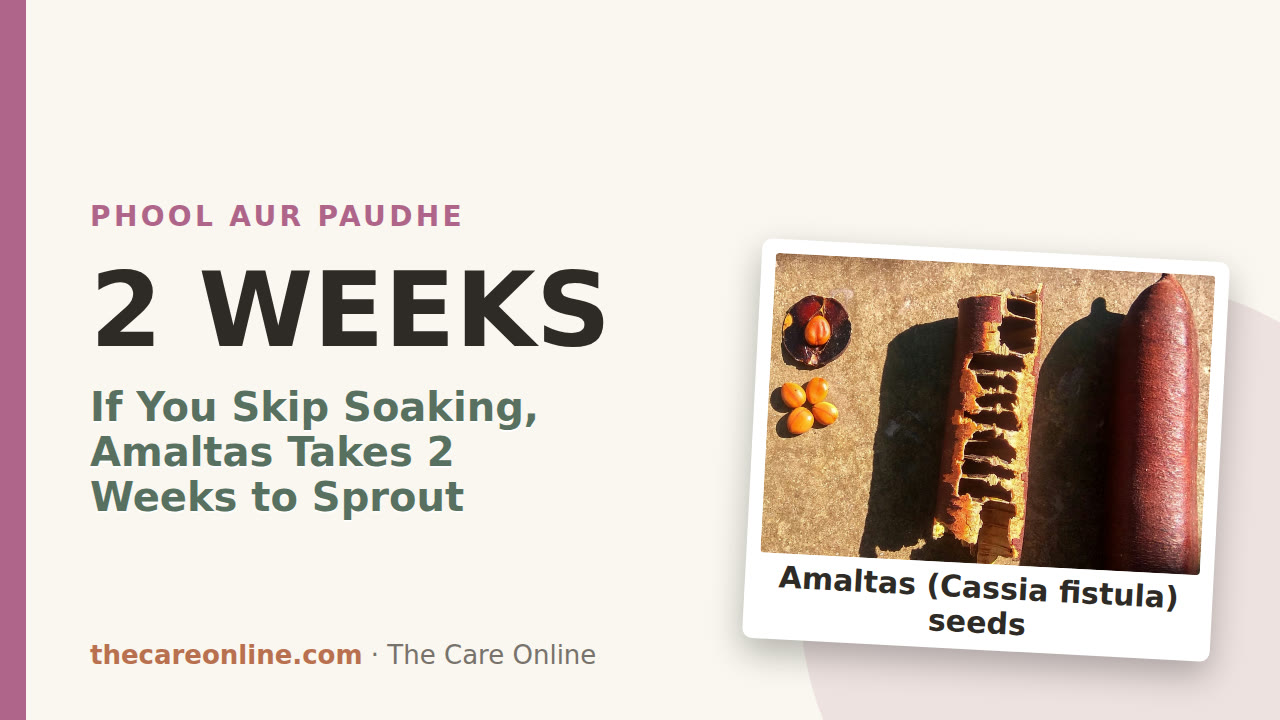
How to Grow Amaltas Tree (Golden Shower): Seed, Roots, Care
 Flowers & Plants
How to Grow Gulmohar Tree: Space, Roots, Seed and Storm Pruning
 Flowers & Plants
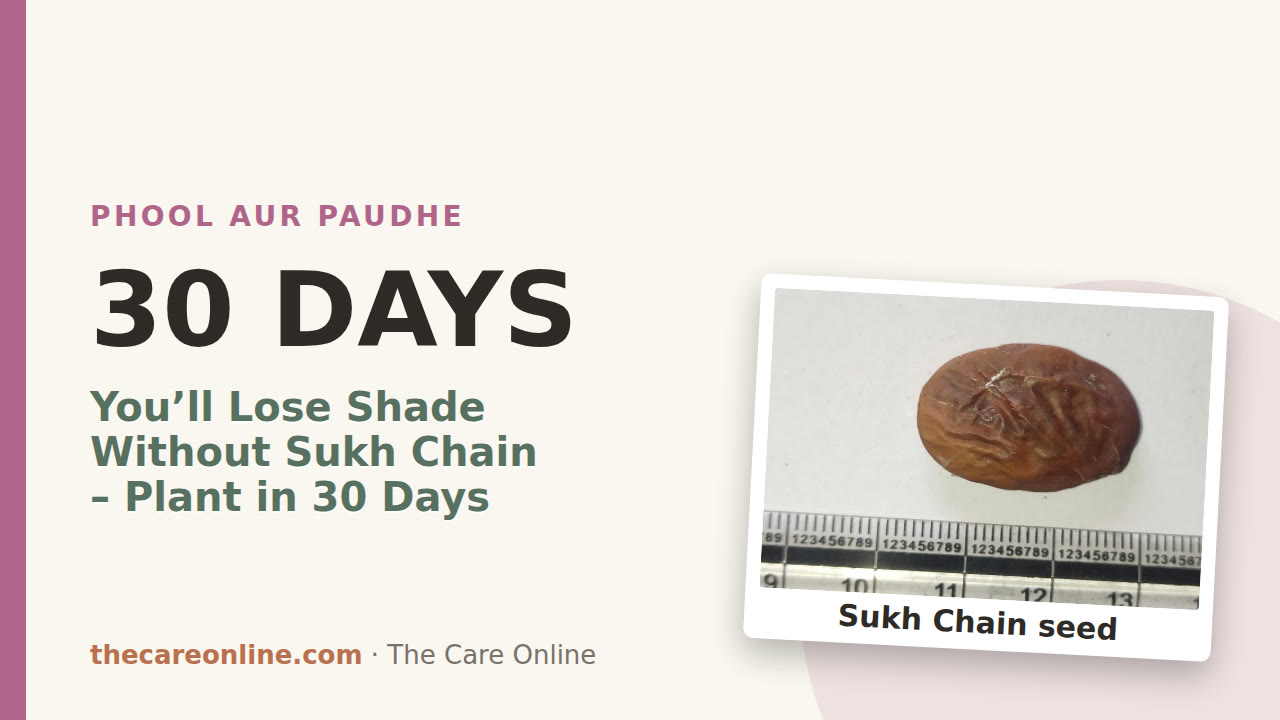
How to Grow Sukh Chain Tree (Pongamia): A Native Shade Pick
 Flowers & Plants