Plants That Attract Butterflies and Bees in a Desi Garden (Video)
Read the full written guide: Plants That Attract Butterflies and Bees in a Desi Garden →
Want more butterflies and bees in your desi garden? This video breaks down the simple, cheap plants that bring pollinators to your balcony or backyard, zinnia, marigold, tulsi, curry leaf and more. You'll learn the difference between nectar plants and host plants, why a nibbled lemon tree is a good sign, and the one mistake that keeps your garden quiet.
Based on our detailed blog post, this guide covers practical habits like letting dhania and saunf flower, skipping lantana, and knowing when to spray. No jargon, no expensive products, just friendly, honest tips for a lively garden. Read the full post on thecareonline.com for the complete plant list and timing.
Show the full transcript
Transcript
Curry leaf isn't just for tadka, it's a butterfly nursery.
Curry leaf isn't just for tadka, it's a butterfly nursery.
Butterflies & Bees
Here's the short, honest answer, and one tip most people miss.
Nectar vs host plants
Here's the thing: butterflies need two kinds of plants. Adults sip nectar from open, flat flowers, but caterpillars munch on specific host leaves, and many species only lay eggs on a few. A garden full of flowers but no host plants gets visitors; a garden with host plants raises its own. That's why a lemon tree with nibbled leaves beats a perfect bed of petunias. The nibbling is the point, those caterpillars become next month's swallowtails.
Butterfly magnet flowers
Which flowers pull butterflies? Zinnia is a favourite, blooming from March to October, and pentas offers star clusters almost all year in mild areas. Single marigolds bring winter and spring colour, and ixora feeds swallowtails in summer and monsoon. The trick is to grow them in a sunny clump, because a single lonely pot is hard for a butterfly to spot. Think of it as a buffet table, not a snack stall.
Give curry leaf to lime butterfly
Now, the part most people miss: the lime butterfly, that big black and yellow swallowtail, lays eggs on citrus and curry leaf. Young caterpillars look like bird droppings; older ones are fat and green. On a mature curry leaf plant, leave a few and pick off the rest by hand. You lose some leaves for tadka and gain butterflies. That's a fair trade, isn't it?
What bees love
Bees choose flowers with lots of pollen and easy access. Let a few herbs bolt: dhania, saunf and sarson flower generously and fill with small bees and hoverflies in February and March. Sunflowers, drumstick, and karela or lauki flowers feed bees in summer, and tulsi flowers almost non stop. Citrus blossom in spring is heavily visited. So don't pull those flowering herbs, let them do their job.
Sunlight your flower bed needs
And here's a number worth remembering: your flower bed needs five to six hours of sun. Pick the sunniest corner or a row of pots that gets that much light. Sow zinnia and cosmos in March to April, or February in Karachi, and marigold in September to October for winter colour. Add one or two perennials like pentas or ixora in twelve to fifteen litre pots, and keep one host plant, a curry leaf or lemon, in a twenty litre pot.
Why is my garden quiet?
So why are there no bees in your garden? Spraying is the biggest cause; many common insecticides kill bees on contact or through treated flowers. Showy double marigolds, roses and petunias have petals where the pollen should be, so choose single flowers. And a single pot of each flower is hard to find, so plant in clumps of five or more. In May and June, keep zinnia, sunflower and pentas going with morning watering, because heat gaps leave little to visit.
Skip lantana
What about lantana? Yes, it's a butterfly magnet, which is why people plant it, but it's one of the region's worst invasive shrubs, and its leaves and green berries are poisonous to children and livestock. Pentas, ixora and zinnia give butterflies the same feast without the problems. So skip the lantana, your garden and your neighbours will thank you.
The one mistake to avoid
And here's the one mistake most people make: routine spraying. A butterfly garden is mostly what you stop doing, stop spraying, stop pulling flowering herbs, stop picking every caterpillar. Accept some chewed leaves, because a garden with insects feeds birds and butterflies. Hand pick big pests and hose off aphids with a strong jet. If you must use neem oil or soap spray, only on the affected plant, never on open flowers, and spray at dusk when bees have gone home.
Like, subscribe and comment
Useful? Like and subscribe, and tell us in the comments what we should check next.
Read the full guide
The full guide is on thecareonline.com. General information only, so check with your doctor for your own case.
More videos
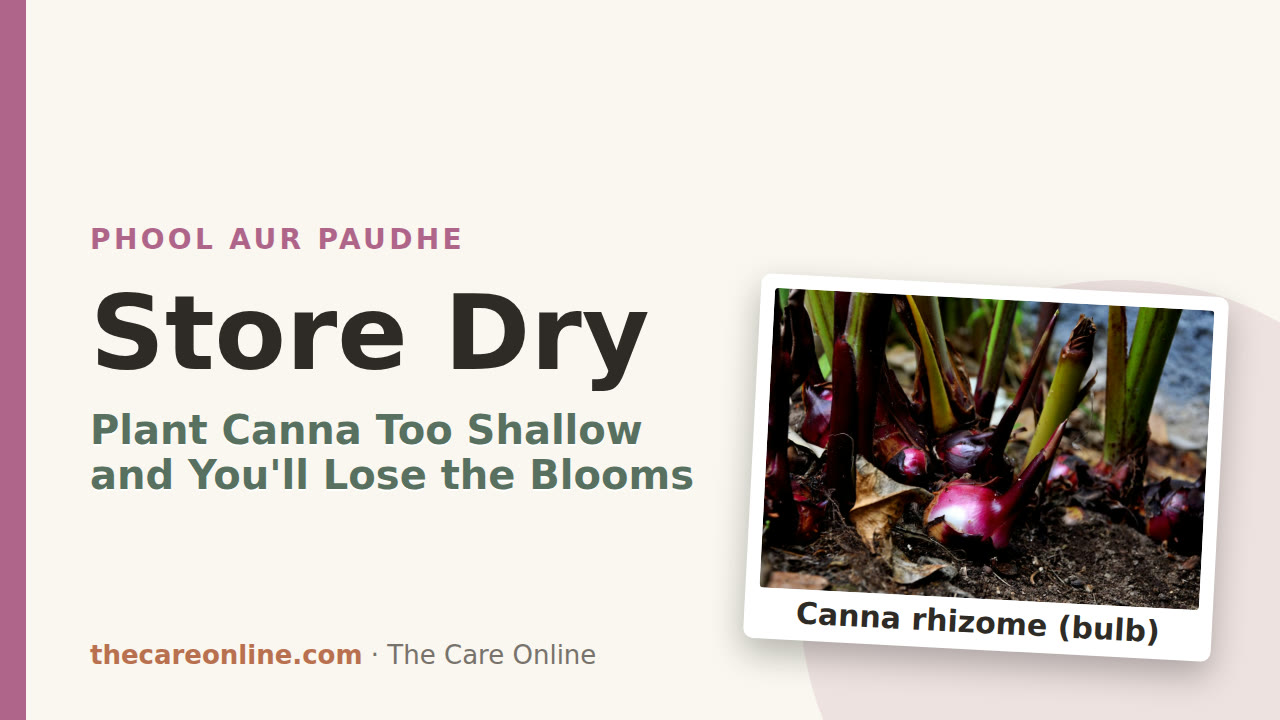 Flowers & Plants
How to Grow Canna: Planting Depth, Pots, Dividing and Storing
 Flowers & Plants
How to Grow Tecoma (Yellow Bells) From Cuttings, and Prune It
 Flowers & Plants
Lawn Grass Types in Pakistan: Korean vs Bermuda vs Dichondra
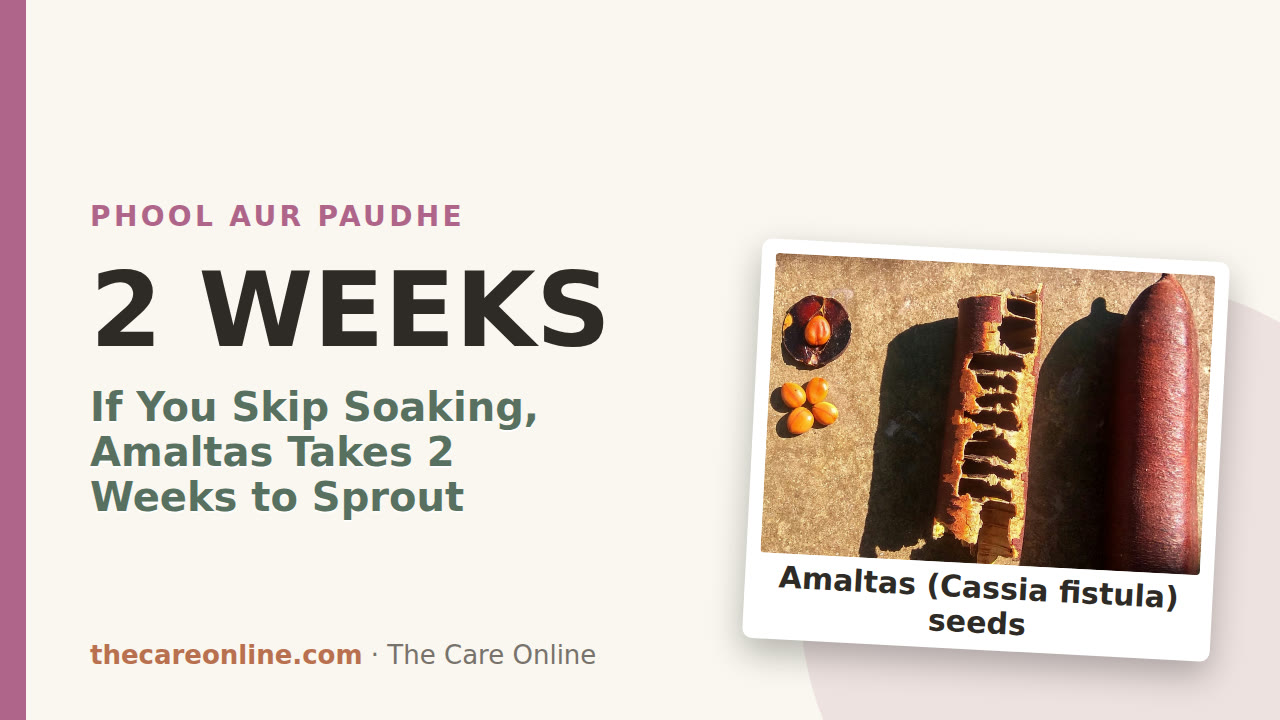 Flowers & Plants
How to Grow Amaltas Tree (Golden Shower): Seed, Roots, Care
 Flowers & Plants
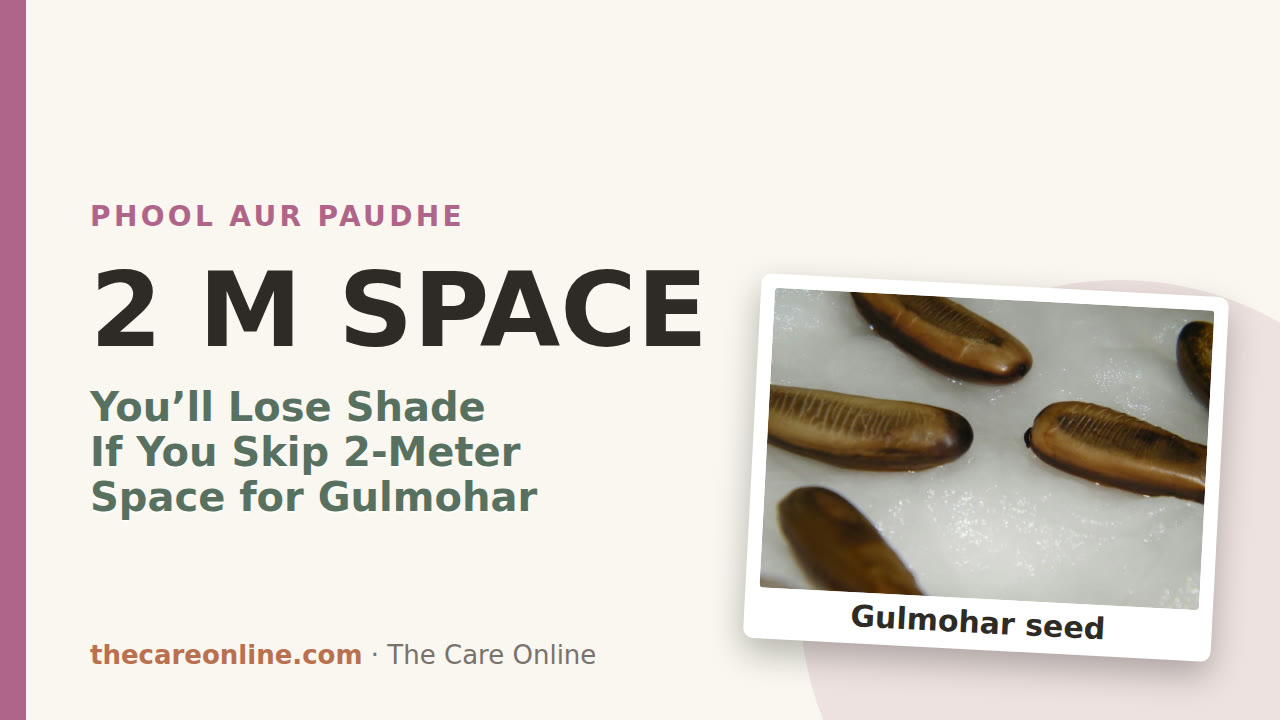
How to Grow Gulmohar Tree: Space, Roots, Seed and Storm Pruning
 Flowers & Plants