Terrarium at Home: Open vs Closed Jars and Plants That Survive (Video)
Read the full written guide: Terrarium at Home: Open vs Closed Jars and Plants That Survive →
terrarium open vs closed plants closed terrarium plant choices Learn how to match the right plants to an open or closed jar, layer your terrarium for healthy growth, and avoid common pitfalls like mould and over‑watering. I’ll also share the one habit that keeps your mini‑garden thriving longer. Follow these simple steps and give your plants the environment they truly need. If this is persistent or affecting your daily life, see a doctor.
Show the full transcript
Transcript
Can a closed jar keep succulents alive?
Can a closed jar keep succulents alive?
Terrarium Basics
Welcome! In the next few minutes I’ll walk you through the basics of building a terrarium, from choosing the right jar type to layering the soil, and I’ll share a quick tip that keeps the humidity balanced. Stick around for the one habit that guarantees success.
Open or closed terrarium
Here’s the thing: a closed jar creates a tiny water cycle, perfect for ferns, fittonia and moss that love damp, shady air. An open bowl, on the other hand, lets air move and soil dry, so succulents and cacti stay happy. Mixing the two is a recipe for rot, so pick one style and stick with it.
Jar size for beginners
A good rule of thumb is to start with at least a two-litre jar. Anything smaller fills up fast and makes it hard to keep the moisture level steady. A larger container gives you room to layer and a bit more breathing space for the plants.
Build the layers
First, wash the jar clean, any leftover slime feeds mould later. Then add a two-to-three centimetre layer of washed gravel or small pebbles for drainage. A thin sprinkle of horticultural charcoal helps keep the water from smelling, and a dry moss or mesh barrier stops soil from sinking into the gravel. These steps create a tiny reservoir while keeping roots out of standing water.
First week moisture trick
Now, the part most people miss: for the first week, pop the lid off for an hour each day, or alternate a closed day with an open day. You’ll see a light mist in the morning that clears by afternoon, that’s the jar telling you the moisture is balanced. If you get heavy drops all day, give it a few extra hours of air.
Plants that thrive
Think about it: the classic fittonia wilts dramatically when it dries out, but b up within hours in a closed jar. Small ferns like button or maidenhair love that humid, shaded environment. A patch of moss collected from a damp wall adds texture and loves the same conditions. And fast-growing pothos cuttings fill the jar quickly, though keep them away from curious pets.
Mould? How to fix
White fuzz on soil or a grey coat on a leaf means too much water and not enough air. First, pluck any dead or yellow leaves with tweezers. Then gently scrape the fuzzy patch off with a spoon. Leave the lid off for a day or two to let it dry. If it comes back, consider adding a pinch of springtails or starting fresh with new soil.
The one tip to avoid
So what should you do? The single habit that saves you from rot and mould is simple: keep your humidity-loving plants in a closed jar and your dry-loving succulents in an open bowl. Mixing them creates a micro-climate that satisfies neither, and the plants will pay the price.
Like, subscribe and comment
Like, subscribe, and share your own experience in the comments below.
Read the full guide
The full guide is on thecareonline.com. General information only, so check with your doctor for your own case.
More videos
 Flowers & Plants
How to Grow Tecoma (Yellow Bells) From Cuttings, and Prune It
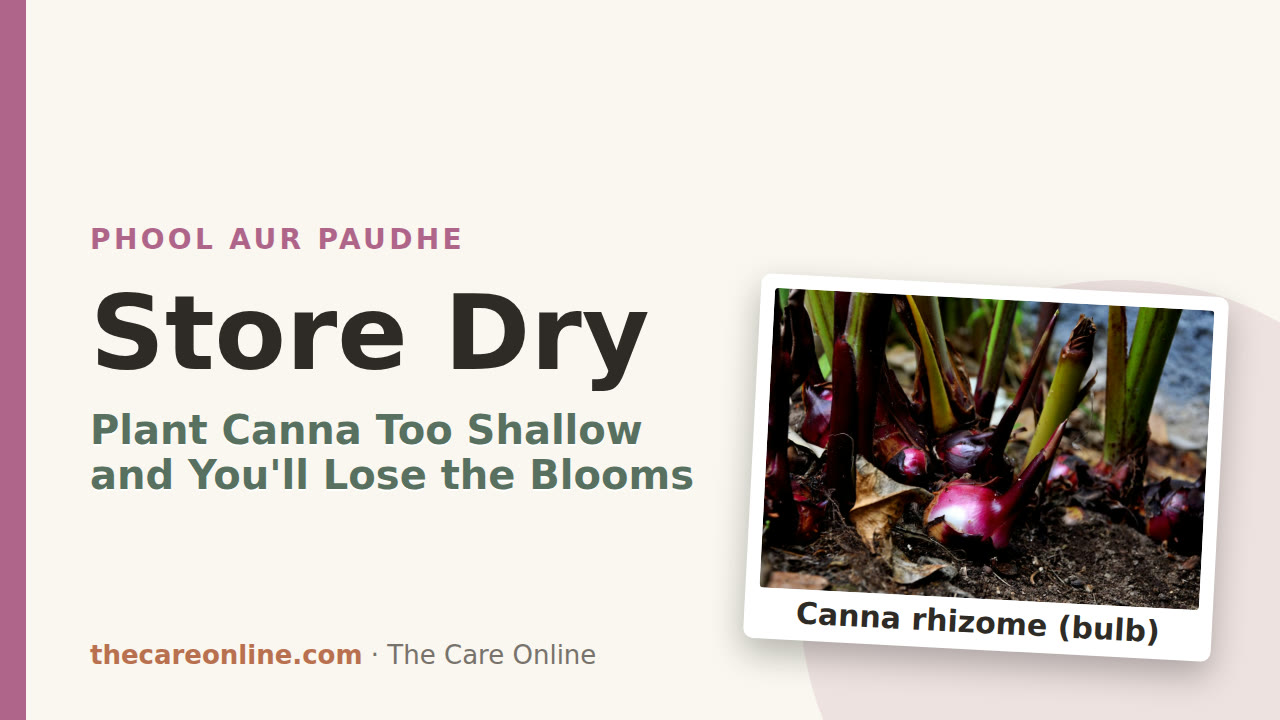 Flowers & Plants
How to Grow Canna: Planting Depth, Pots, Dividing and Storing
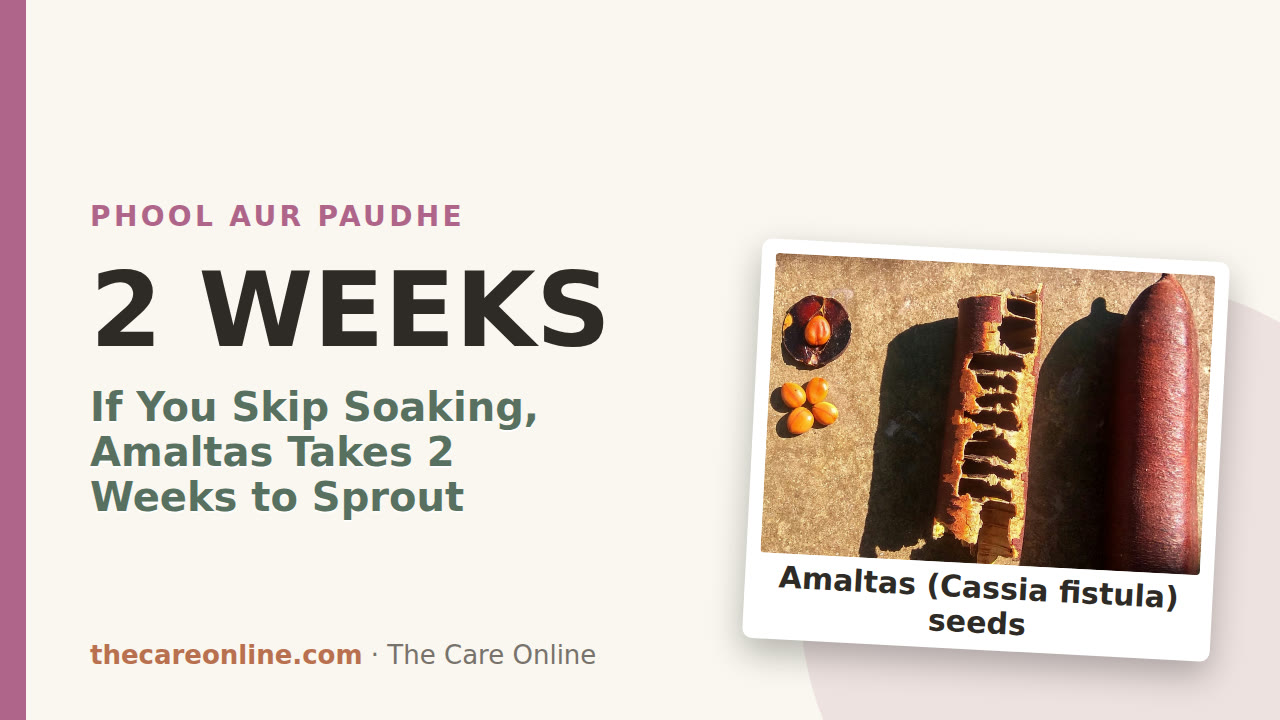 Flowers & Plants
How to Grow Amaltas Tree (Golden Shower): Seed, Roots, Care
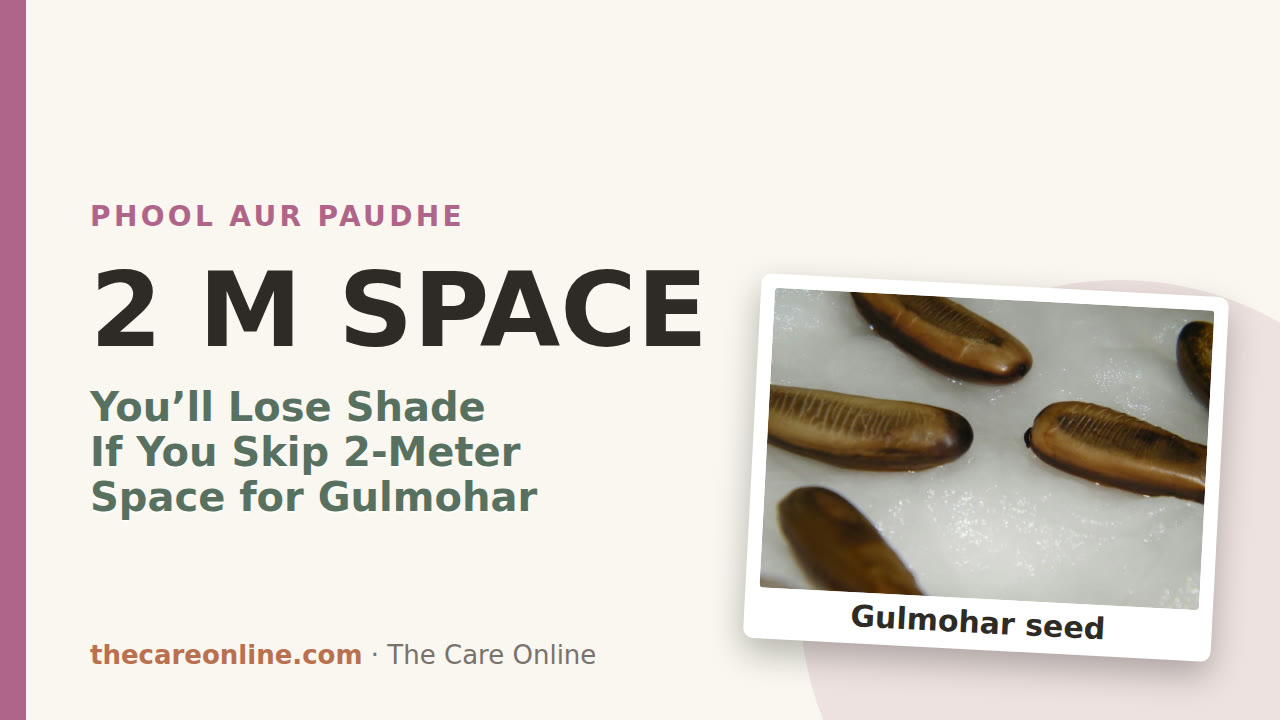 Flowers & Plants
How to Grow Gulmohar Tree: Space, Roots, Seed and Storm Pruning
 Flowers & Plants
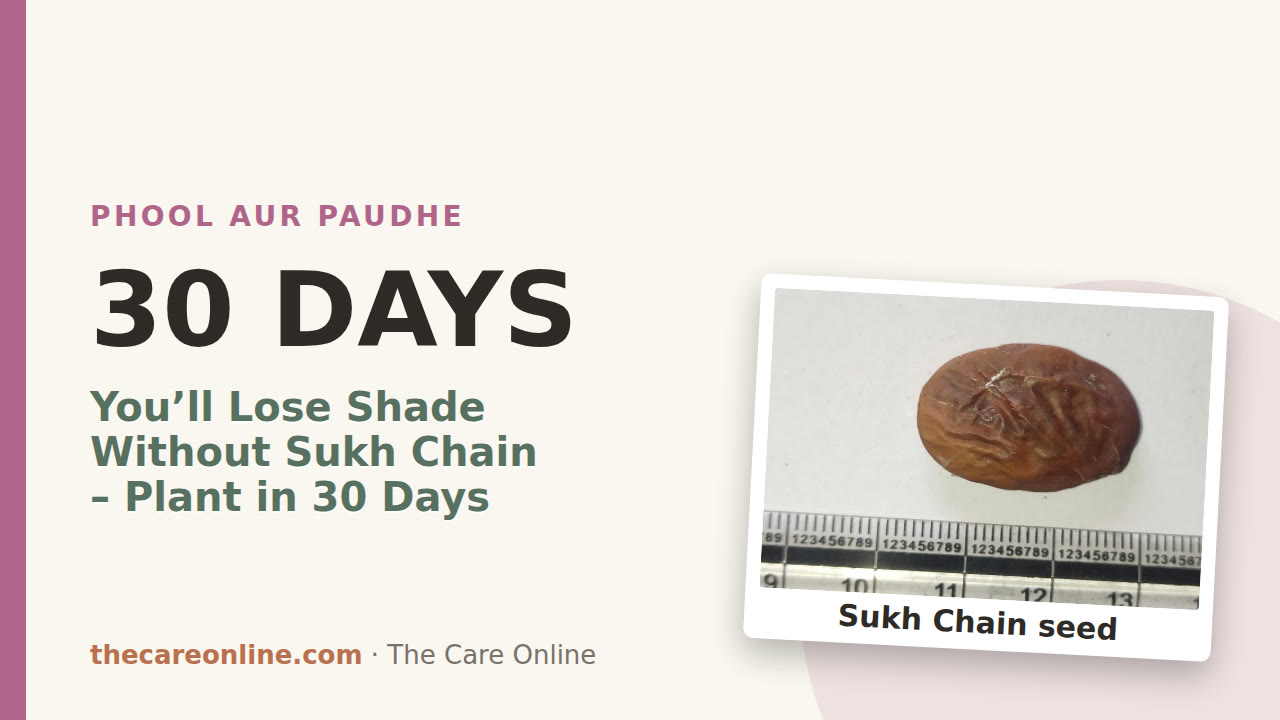
How to Grow Sukh Chain Tree (Pongamia): A Native Shade Pick
 Flowers & Plants