How to Grow Verbena in Pots and Baskets Without Mildew (Video)
Read the full written guide: How to Grow Verbena in Pots and Baskets Without Mildew →
how to grow verbena in pots prevent powdery mildew on verbena Learn the simple steps to keep your potted verbena thriving. Choose the right pot size, use well‑draining soil, and place it where it gets at least 4–6 hours of sunlight daily. Water early in the morning, avoid overhead sprays, and trim any affected leaves promptly. For a natural mildew barrier, spray a diluted milk solution once a week. Follow these tips and enjoy vibrant blooms all season. If this is persistent or affecting your daily life, see a doctor.
Show the full transcript
Transcript
Six hours of sun, does it really matter?
Six hours of sun, does it really matter?
Verbena in Pots
Learn how to grow lush verbena in pots and discover the one trick that stops mildew.
When to sow
Verbena loves a cool start, so aim for sowing in the fall. In the plains, plant seeds from October to November; Karachi’s humid coast prefers November to December, while Lahore and Faisalabad do well with October sowings. Early planting gives the seedlings a head start before the winter chill sets in.
Seed or seedlings
If you’re just starting out, go for nursery seedlings rather than seed. Seed germination can be patchy, and seedlings from a tray will flower weeks sooner with almost no risk. Choose short, bushy plants with dark green leaves and no white powder, those are the healthiest starters you’ll find.
Root cuttings
Cuttings are a free way to multiply verbena. In October-November, or February-March, snip a soft, non-flowering stem six to eight centimeters long. Strip lower leaves, dip the cut end into half cocopeat and half sand, then plant in a small pot. Cover loosely with a clear bag for humidity and keep in bright shade until roots form.
Minimum sun needed
Verbena really needs at least six hours of direct sunlight each day to keep its foliage compact and its flowers vibrant. Anything less and the plant stretches, becomes leggy, and is more prone to powdery mildew. Position your pot where the morning sun hits, and you’ll see a fuller, healthier bloom throughout the season.
Plant spacing
Give each verbena at least twenty-five centimeters of space, roughly ten inches, so air can move freely around the foliage. This spacing cuts down humidity pockets that invite powdery mildew, and it also lets each stem get enough light. In hanging baskets, aim for a similar gap between stems, and you’ll keep the white powder at bay.
The one rule
The single rule that saves verbena from mildew is simple: give it airflow. Space each plant twenty-five to thirty centimeters apart, hang baskets where a gentle breeze can sweep through, and water only the soil, never the leaves. If you see a white dust spot, snip that leaf off immediately. Follow this and the plant stays clean all winter.
Water & feed
From November through February, let the top two centimeters of soil dry before you water, usually every three to five days in the morning. As spring warms, move to watering every one to two days because baskets dry faster. By May, especially in hotter regions, give the plants a little shade to stretch the season a few weeks.
Pinch & deadhead
To keep verbena bushy, pinch off the tip of each young stem once it reaches about ten centimeters tall. Throughout the season, snip any faded flower clusters back to the next pair of leaves, this prevents the plant from using energy on seed. If the stems get leggy in March, trim a third off; new shoots will appear in a couple of weeks.
Like, subscribe and comment
Like, subscribe, and share your own experience in the comments below.
Read the full guide
The full guide is on thecareonline.com. General information only, so check with your doctor for your own case.
More videos
 Flowers & Plants
How to Grow Tecoma (Yellow Bells) From Cuttings, and Prune It
 Flowers & Plants
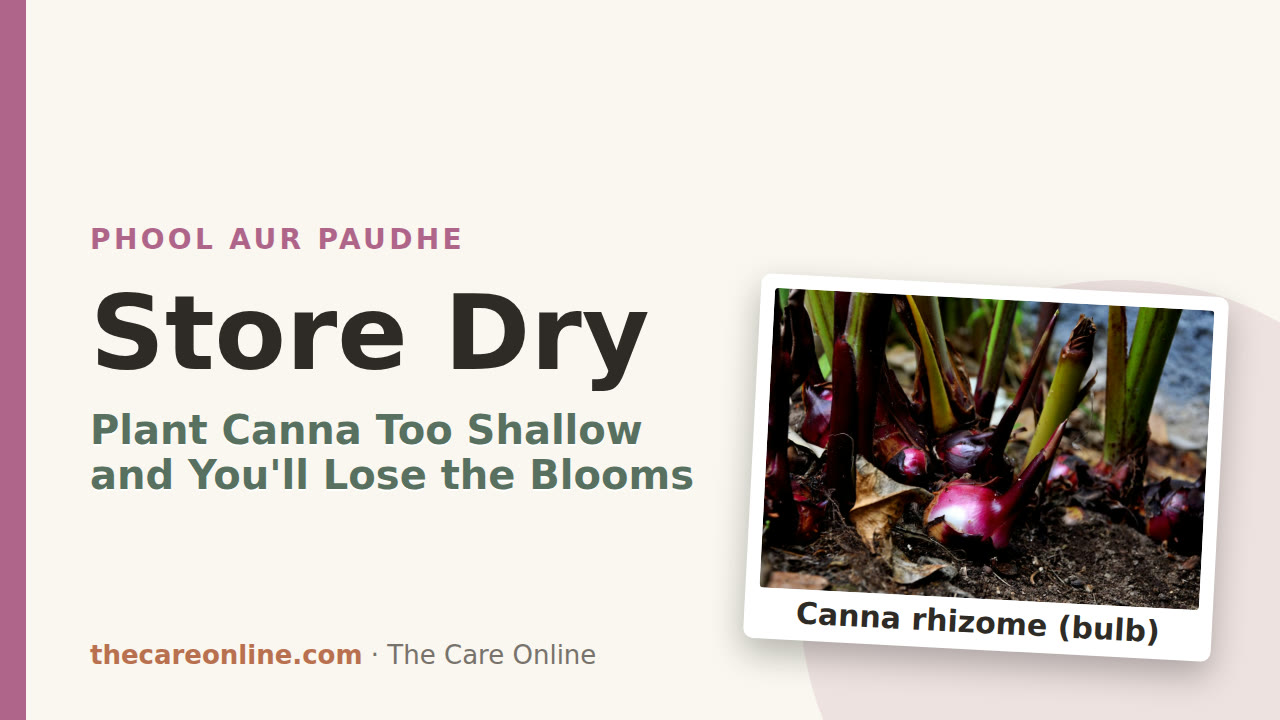
How to Grow Canna: Planting Depth, Pots, Dividing and Storing
 Flowers & Plants
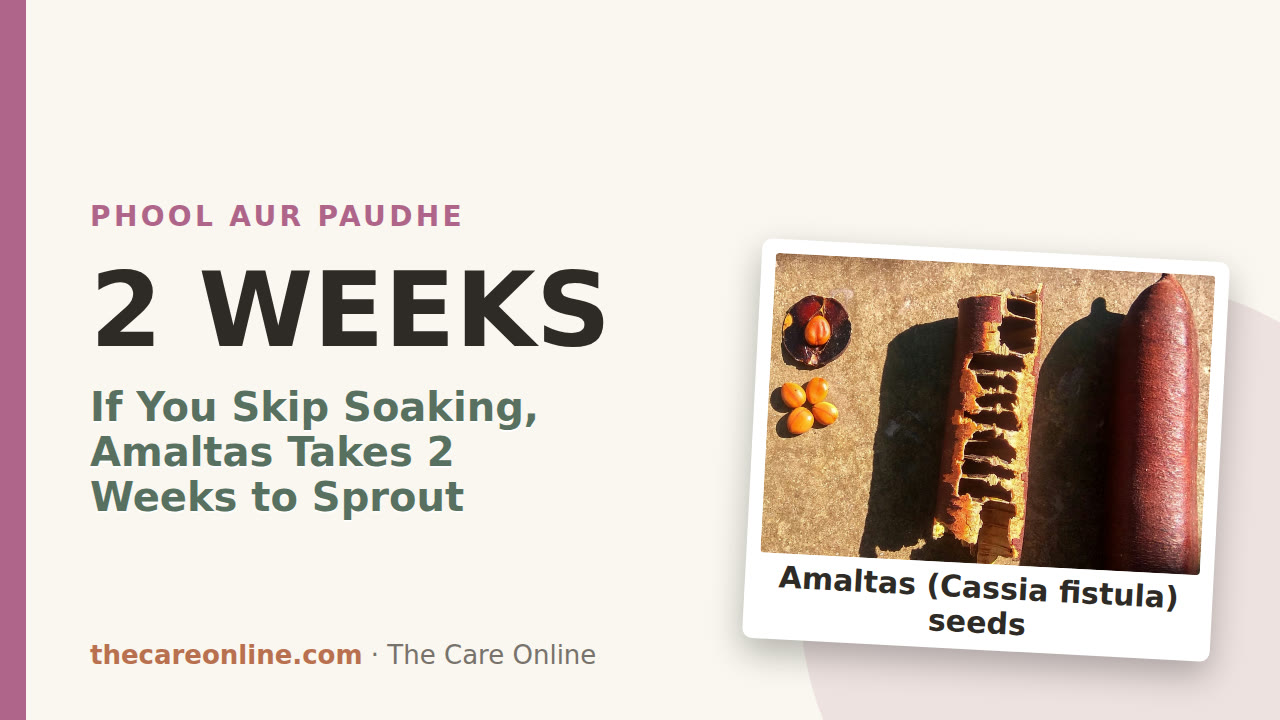
How to Grow Amaltas Tree (Golden Shower): Seed, Roots, Care
 Flowers & Plants
How to Grow Gulmohar Tree: Space, Roots, Seed and Storm Pruning
 Flowers & Plants
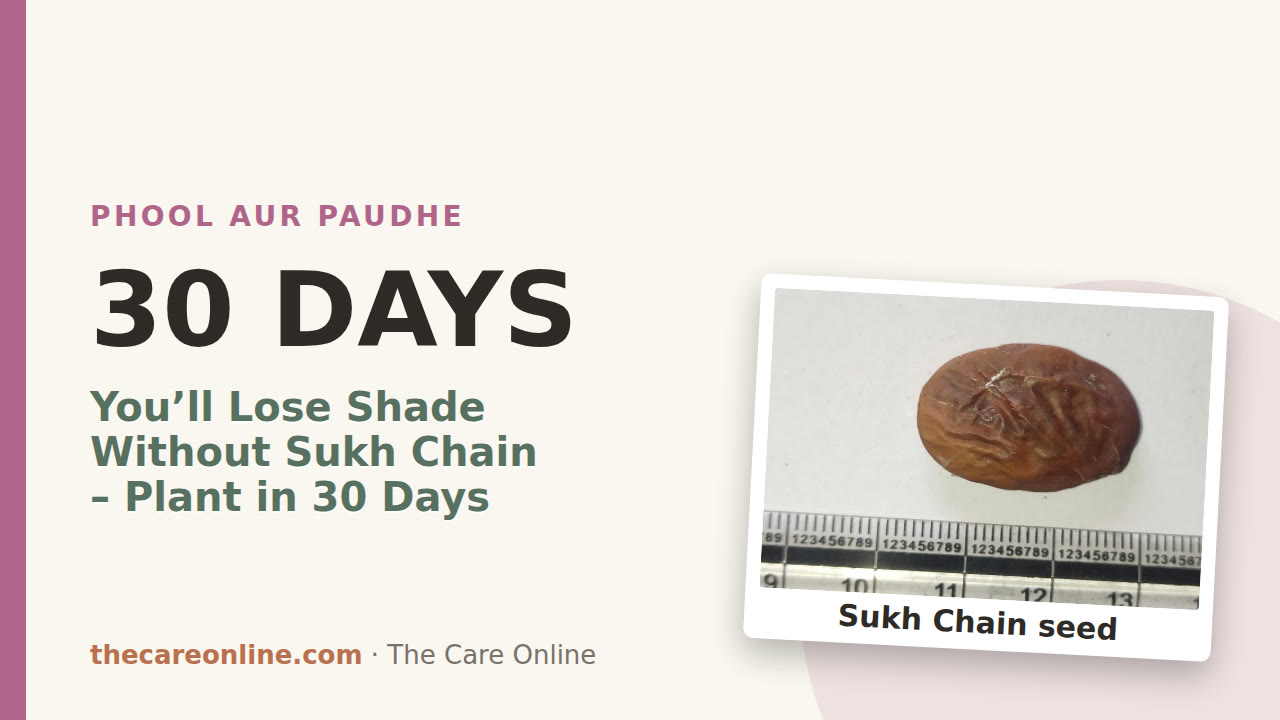
How to Grow Sukh Chain Tree (Pongamia): A Native Shade Pick
 Flowers & Plants