How to Grow Plumbago (Neel Kanthi): Cuttings and Hard Pruning (Video)
Read the full written guide: How to Grow Plumbago (Neel Kanthi): Cuttings and Hard Pruning →
Plumbago, also known as Neel Kanthi, is one of the easiest flowering shrubs for hot Indian and Pakistani summers. This video covers how to grow it from cuttings, what pot and soil mix to use, when to water and fertilise, and the one pruning mistake that costs you the spring bloom.
Whether you're in Karachi, Lahore, Delhi, or Islamabad, you'll learn how to get cool blue flowers most of the year. We also cover why yellow leaves happen, how to deal with sticky seed heads, and important skin safety tips since plumbago sap can irritate.
Show the full transcript
Transcript
Want sky-blue flowers? Stay for the one pruning mistake that kills your spring bloom.
Want sky-blue flowers? Stay for the one pruning mistake that kills your spring bloom.
How to Grow Plumbago
Here's the short, honest answer, and one tip most people miss.
Neel Kanthi vs chitrak
Here's the thing, the garden shrub sold as Neel Kanthi is Plumbago auriculata, a pretty African ornamental. Real chitrak is mostly white-flowered Plumbago zeylanica, whose root is used in old remedies. They're cousins, not the same plant. Nurseries sometimes sell white garden ones under either name, so don't assume. We're only talking about growing the flowering shrub, not the root.
Handles 45 degree heat
This shrub is forgiving about where you live. In Karachi, it flowers most of the year. In Lahore or Delhi, peak bloom comes in spring and after the monsoon, frost burns tips. In Multan, it handles 45 degrees if watered, pauses in worst heat. In Islamabad, put it against a south wall; it may die back and regrow.
Rooting cuttings is easy
Propagation is easy. Take ten to fifteen centimetre tips from this year's growth in March or April, or July to September. Cut below a node, strip bottom leaves, push them four or five centimetres into half sand, half cocopeat. Cover with a clear bag, and most will root. Easier still, dig up a rooted sucker in February, or pin a low stem into a pot and cut it free after six weeks.
Pot, mix and sunlight
Start in a ten to twelve inch pot, move to fourteen or sixteen by year two. Use two parts soil, one compost, one sand or cocopeat. Plumbago handles mildly alkaline soil better than most shrubs, which suits Punjab water. Full sun gives most flowers. Morning sun on a balcony means looser growth and fewer blooms, but it still flowers.
Watering and feeding
Feed compost after pruning in February and again after the monsoon, plus a balanced fertiliser monthly through flowering. Too much nitrogen means green, leggy growth with few flowers. In summer, pots need water every day or two, ground plants twice a week once established. Monsoon, only when top few centimetres dry. Winter, sparingly, about once a week in pots.
Prune back by two thirds
And this is where it gets interesting. Prune hard in February, cutting the whole plant back by half or even two thirds, just as buds swell. Remove dead and crossing stems. Since plumbago flowers on new growth, that hard cut gives you a dense bush covered in blue by April. Prune late, in April or May, and you lose the spring flush.
Snip sticky seed heads
Old flower heads form sticky seed calyces that cling to clothes, cats, and passing dogs. It's a real mess, believe me. Snipping faded clusters every couple of weeks does two jobs at once. It stops the stickiness, and it pushes the plant into the next wave of flowers. So keep your scissors handy and make it a small part of your routine.
Why no flowers?
If your plumbago isn't flowering, ask a few questions. Is it getting enough sun? Move it or thin the shade. Did you prune in February? Old wood flowers poorly. Did you prune late in spring? Then you removed this flush yourself. Are you using too much nitrogen? That gives leaves, not flowers. Fix these and you'll see blue again.
Yellow leaves decoded
Yellow leaves tell different stories. Whole leaf yellow with wet soil means overwatering, let it dry between waterings. Yellow between green veins means iron shortage, add compost or iron micronutrient. Leaf drop in winter is just cold, normal. Fine webbing with speckled leaves means spider mites, hose undersides and use neem in the evening.
Sap can blister skin
Now, the part most people miss. Plumbago sap and leaves can cause redness, irritation, and blisters on skin. Wear gloves and long sleeves when pruning, keep kids and pets from chewing it. Wash skin with soap and water, see a doctor if a blister is large or near the eyes. Never use the garden plant as a home remedy.
Grow it or skip it?
So, grow it or skip it? Grow it if you have a hot sunny wall and want cool blue flowers most of the year. Honestly, few shrubs give this much colour for this little fuss. Skip it if the only spot is where toddlers grab leaves, or a dim balcony that barely sees the sun.
The one pruning mistake
And here's the one mistake that costs people their spring bloom. Pruning late. If you prune in April or May instead of February, you cut off the new shoots carrying the first flowers. You lose the whole spring flush and wait till the monsoon. So mark your calendar. February, hard prune, and you'll have blue by April.
Like, subscribe and comment
Like, subscribe, and share your own experience in the comments below.
Read the full guide
The full guide is on thecareonline.com. General information only, so check with your doctor for your own case.
More videos
 Flowers & Plants
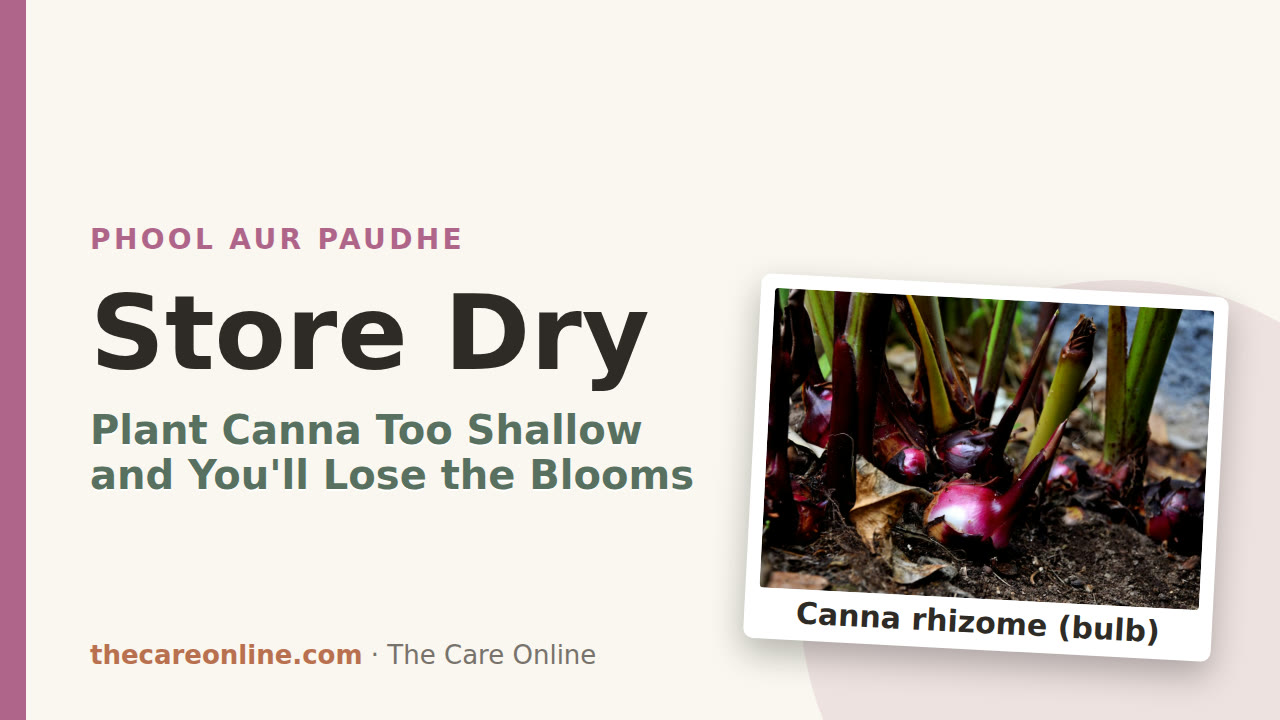
How to Grow Canna: Planting Depth, Pots, Dividing and Storing
 Flowers & Plants
How to Grow Tecoma (Yellow Bells) From Cuttings, and Prune It
 Flowers & Plants
Lawn Grass Types in Pakistan: Korean vs Bermuda vs Dichondra
 Flowers & Plants
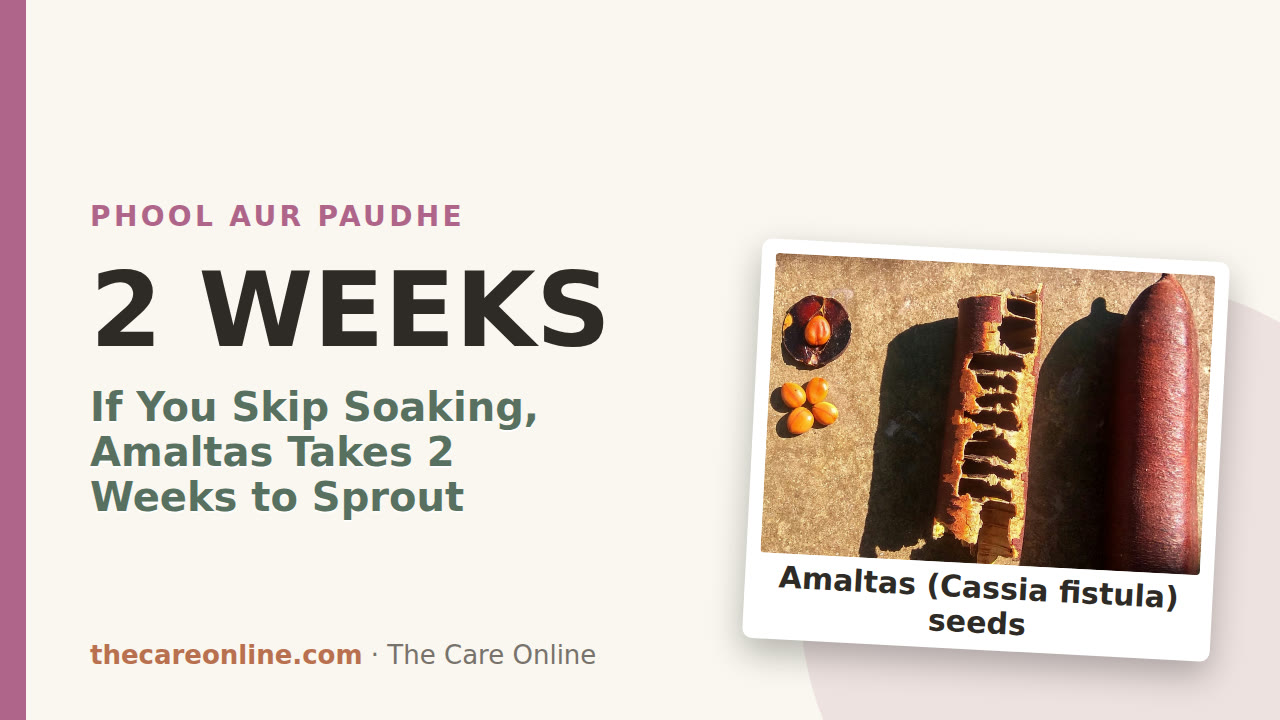
How to Grow Amaltas Tree (Golden Shower): Seed, Roots, Care
 Flowers & Plants
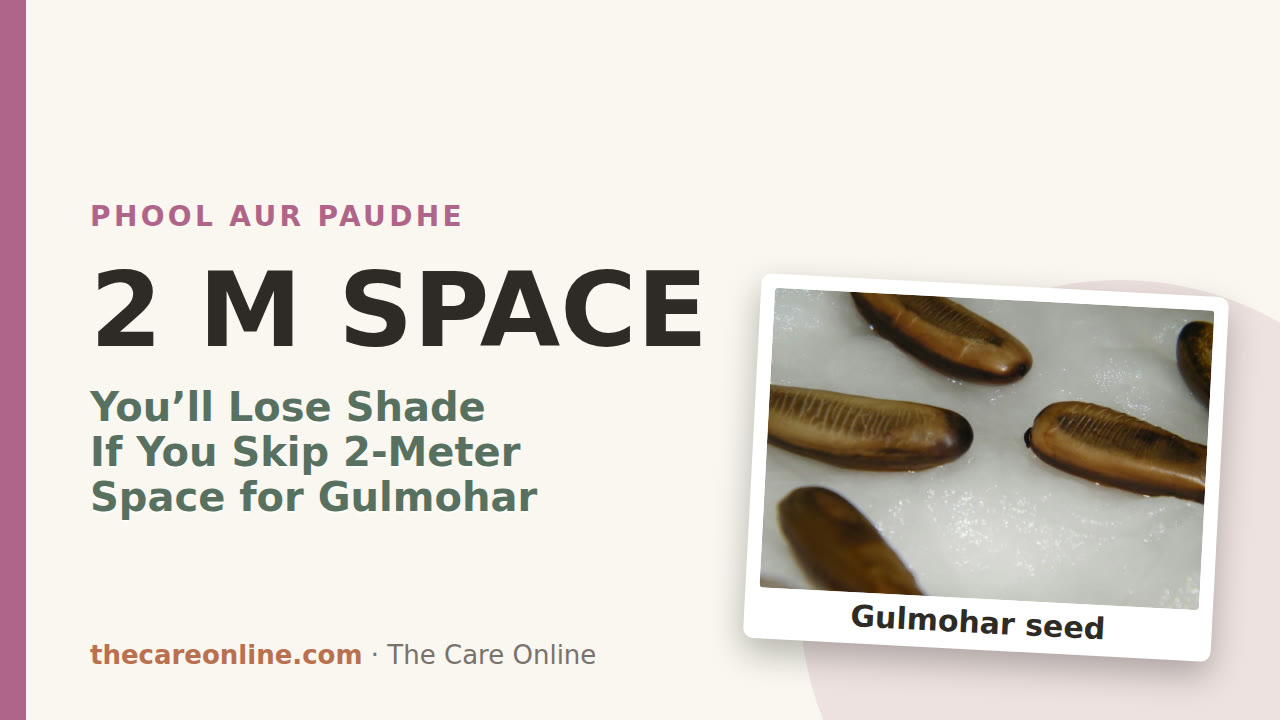
How to Grow Gulmohar Tree: Space, Roots, Seed and Storm Pruning
 Flowers & Plants