Peperomia Care at Home: Which Window, When to Water, Cuttings (Video)
Read the full written guide: Peperomia Care at Home: Which Window, When to Water, Cuttings →
Peperomia watering schedule Best window for indoor peperomia Learn how to keep your peperomia thriving in a Pakistani flat with simple light, watering, and soil tricks. I walk you through the best window spot, when to water, and a quick chopstick moisture test. Discover how a bright east‑facing window can boost growth, how to avoid over‑watering, and the easiest way to propagate cuttings without special tools. These practical steps help you avoid drooping leaves and keep your plant healthy all year round. If this is persistent or affecting your daily life, see a doctor.
Show the full transcript
Transcript
Can a single east-facing window save your peperomia?
Can a single east-facing window save your peperomia?
Peperomia Quick Care
Get the basics to keep a peperomia thriving, and stay tuned for the single habit that makes all the difference.
Best Light Spot
Here's the thing about light: an east-facing window gives your peperomia the gentle morning sun it loves, keeping the leaves glossy without bleaching. If you can’t get east, a north window works too, just slower. Place the pot right on the sill or within an arm’s length, so the plant basks in that soft glow all day.
When to Water
And this is where it gets interesting: you don't need a strict schedule, just listen to the pot. After you water, lift the container and remember how heavy it feels. The next time you pick it up, if it feels noticeably lighter and the top half of the mix is dry to your finger, give it a slow pour until a trickle escapes the drainage hole, then empty the saucer.
Ideal Soil Mix
Now, the part most people miss is the soil. Peperomia roots are fine and love air, so a heavy garden soil will choke them. Mix two parts ordinary potting mix with one part soaked cocopeat and one part coarse sand or perlite. Stir in a handful of sifted compost for every five litres, and you’ve got a light, well-draining medium that stores just enough moisture.
Make New Plants
Think about it: propagating peperomia is easy. In spring or early autumn, snip a healthy stem three to four inches long, just below a leaf joint, and strip the lower leaves. Let the cut end dry a couple of hours in shade, then plant it an inch deep in the same coco-sand mix. In a few weeks new roots appear, and you can repeat with leaf cuttings for extra plants.
Yellow or Brown Leaves
What surprised me is how many leaf problems trace back to water and light. Soft yellow lower leaves usually mean over-watering and possible root rot, stop watering, check roots, and repot in a drier mix. A black, mushy stem at soil level signals stem rot; cut the healthy top and start fresh. Pale patches or crisp brown spots point to sun scorch, move the plant away from a west or south window.
Summer watering interval
During the hot dry months, from March to June, the soil dries quickly. Most growers find that waiting seven to ten days between waterings keeps the plant happy without soggy roots. That weight-and-finger test still applies, but you’ll notice the pot feels noticeably lighter after that period.
Soil mix ratio
A good recipe for peperomia is a 2-to-1-to-1 blend: two parts potting soil, one part cocopeat, and one part coarse sand or perlite. This balance gives enough moisture retention while providing the aeration the shallow roots crave. Adjust the sand proportion if your climate is especially humid.
Like, subscribe and comment
If this helped, a like and a subscribe really help. Drop your question in the comments.
Read the full guide
Read the complete guide on thecareonline.com. This is general information, not medical advice.
More videos
 Flowers & Plants
How to Grow Tecoma (Yellow Bells) From Cuttings, and Prune It
 Flowers & Plants
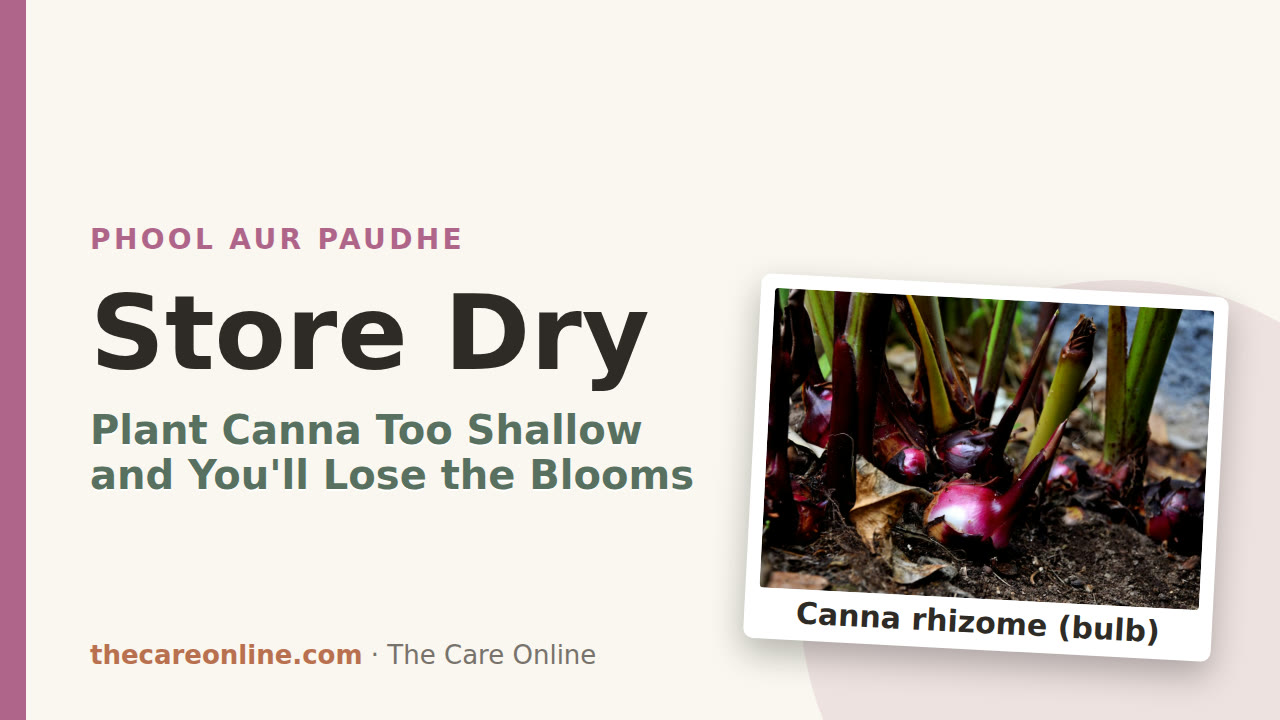
How to Grow Canna: Planting Depth, Pots, Dividing and Storing
 Flowers & Plants
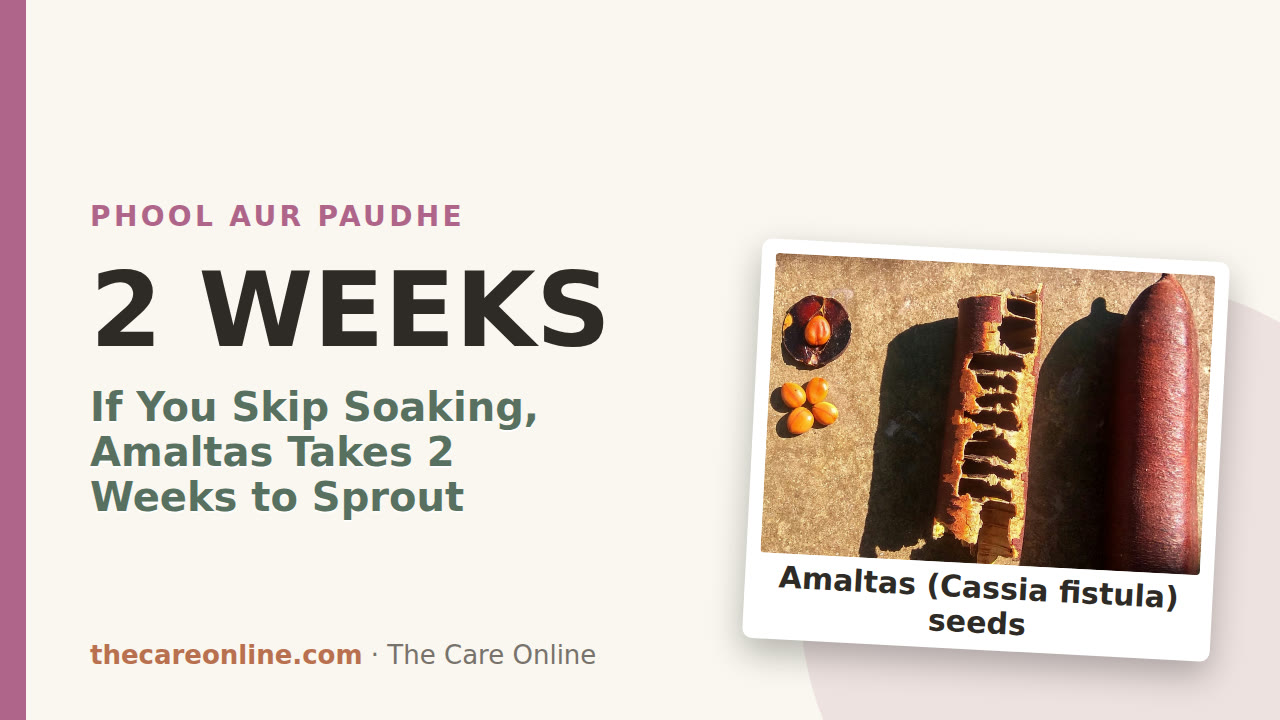
How to Grow Amaltas Tree (Golden Shower): Seed, Roots, Care
 Flowers & Plants
How to Grow Gulmohar Tree: Space, Roots, Seed and Storm Pruning
 Flowers & Plants
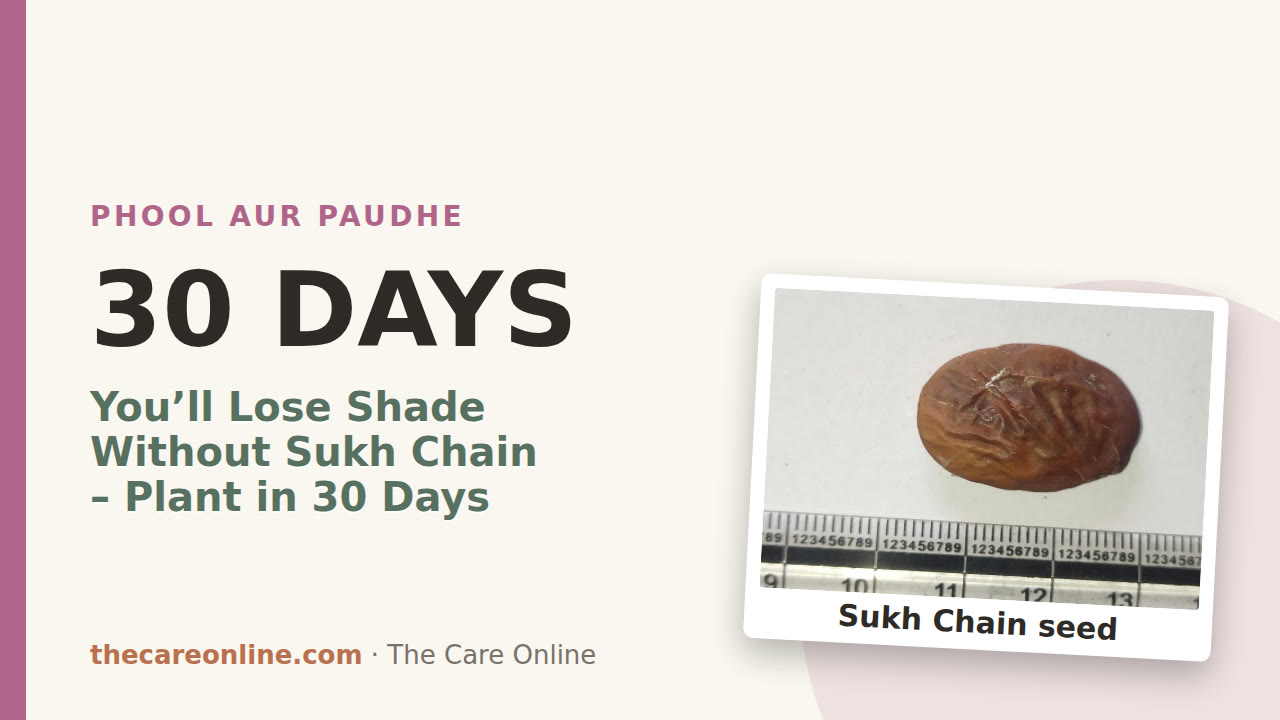
How to Grow Sukh Chain Tree (Pongamia): A Native Shade Pick
 Flowers & Plants