How to Grow Narcissus (Nargis) Bulbs: Depth, Pots and Storing (Video)
Read the full written guide: How to Grow Narcissus (Nargis) Bulbs: Depth, Pots and Storing →
How to plant Nargis bulbs for spring Narcissus planting depth and pot guide Learn the exact depth (5‑10 cm) that lets Nargis bulbs bloom brightly each year. We cover the best soil mix, pot size, timing, and how to store bulbs over winter so they stay healthy. Follow the simple steps to avoid weak stems and late flowering, and discover a quick habit that improves bulb vigor. If this is persistent or affecting your daily life, see a doctor.
Show the full transcript
Transcript
Did you know Nargis bulbs need 3× their height to plant?
Did you know Nargis bulbs need 3× their height to plant?
Nargis Bulbs 101
Stay tuned, because at the end I'll reveal the one simple trick that keeps your Nargis bulbs thriving year after year.
Depth to Plant
The sweet spot is about three times the bulb’s height, roughly ten to fifteen centimeters deep. Planting that deep protects the bulb from temperature swings and gives roots room to spread, which is key for a strong January bloom. This depth also insulates against winter frosts and keeps surface water from pooling around the bulb, reducing rot risk.
Planting Depth & Orientation
First, pick firm, heavy bulbs with no soft spots. The pointed nose should face up, the flat root plate down. For a typical four-centimetre bulb, aim for twelve to fifteen centimetres deep, and leave five to eight centimetres between each bulb so they have room to breathe. Healthy bulbs store more energy, and the spacing prevents crowding that can invite disease.
When & Where to Plant
Timing changes with climate. In the plains like Karachi, aim for November planting so the flowers appear in January or February. In the hills, get them in the ground a bit earlier, from September to October, before the first frost hits. Adjust by a month for places like Lahore or Delhi, and remember that a cooler micro-climate can shift the window a little.
Potting Tips
If you’re on a balcony, a deep pot with a good drainage hole works wonders. Mix two parts garden soil, one part compost, and one part coarse sand, drainage is the name of the game. Fill to the planting depth, set bulbs nose up, then water once thoroughly and let the top layer dry before the next sip. Check that water drains away quickly, otherwise the bulb can rot.
After Flowering Care
Once the blossoms fade, snip them off so the plant doesn’t waste energy on seeds. Then let the foliage stay until it turns yellow, usually about six weeks, because those leaves feed the bulb for next year. Keep watering light, and consider a potassium-rich feed in February if you want a boost. A thin layer of compost on the soil surface can give the leaves an extra nutrient lift.
The one tip to avoid
The single habit that makes all the difference is how you store the bulbs after the season. Keep them in a labeled paper bag, far from the kitchen, and always wear gloves when you lift or trim them. This simple step prevents skin irritation, keeps curious pets and children away, and preserves the bulb’s vitality for next year’s planting.
Like, subscribe and comment
If this helped, a like and a subscribe really help. Drop your question in the comments.
Read the full guide
Read the complete guide on thecareonline.com. This is general information, not medical advice.
More videos
 Flowers & Plants
How to Grow Tecoma (Yellow Bells) From Cuttings, and Prune It
 Flowers & Plants
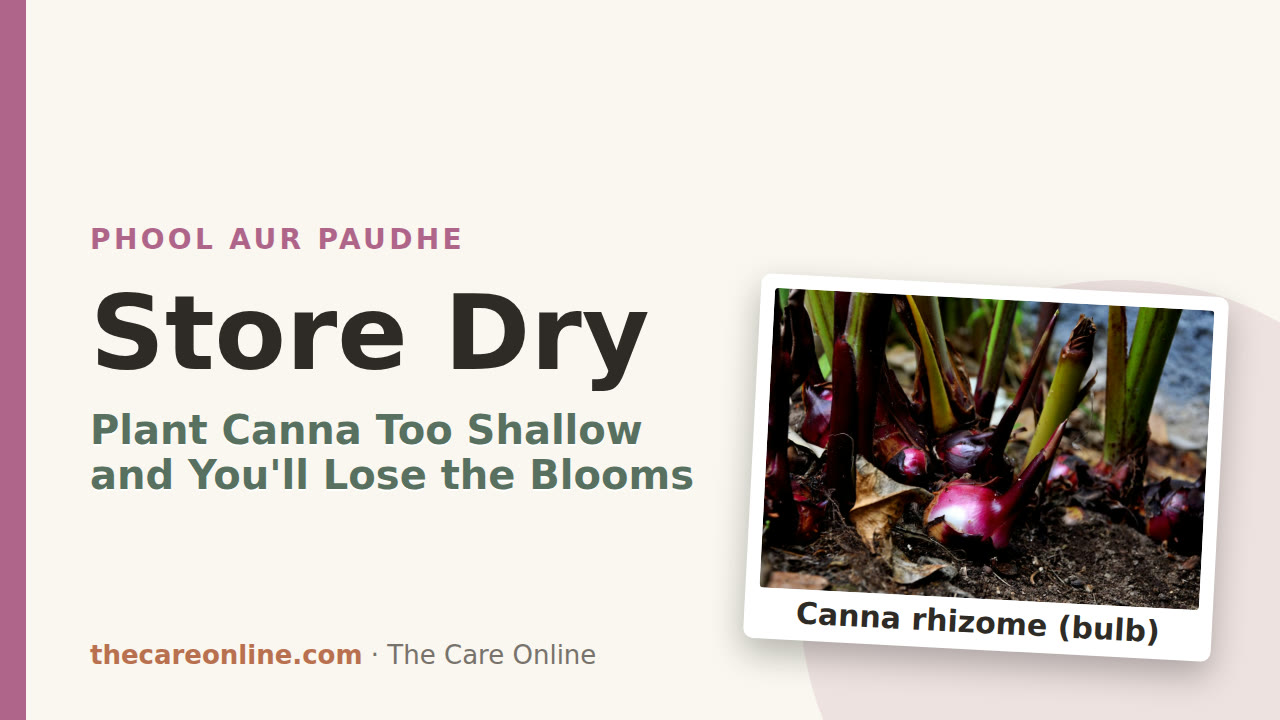
How to Grow Canna: Planting Depth, Pots, Dividing and Storing
 Flowers & Plants
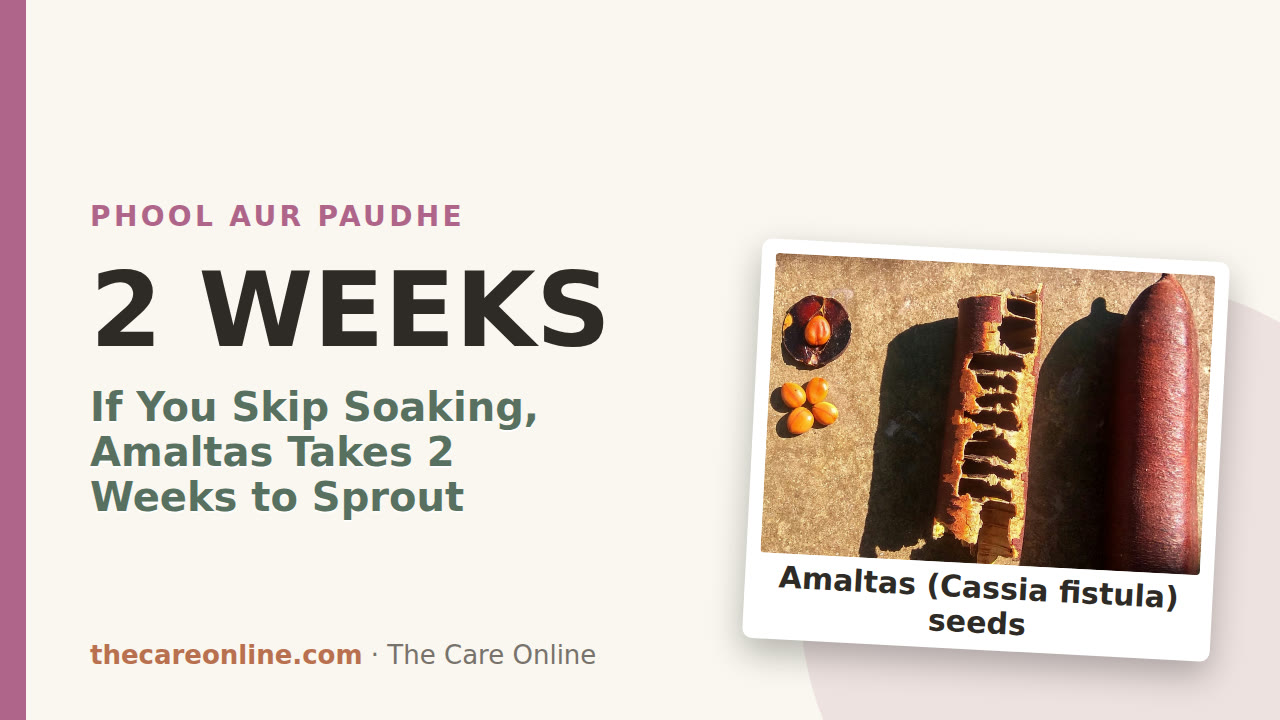
How to Grow Amaltas Tree (Golden Shower): Seed, Roots, Care
 Flowers & Plants
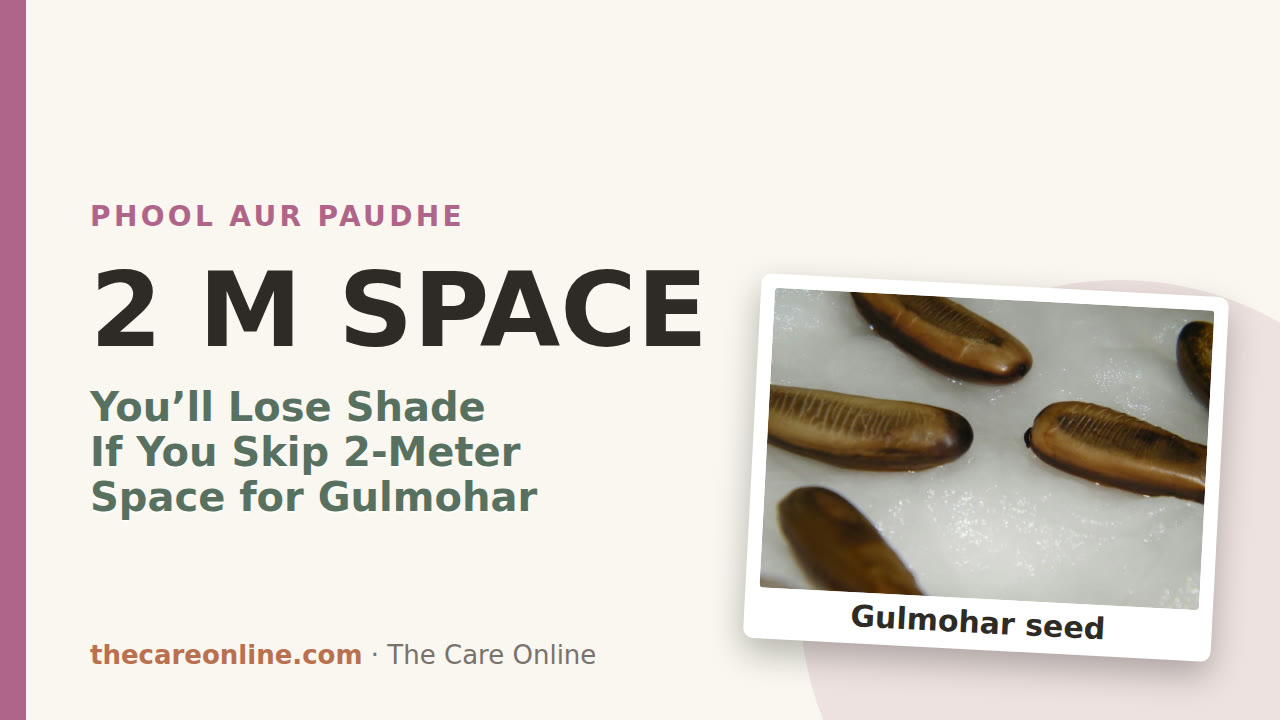
How to Grow Gulmohar Tree: Space, Roots, Seed and Storm Pruning
 Flowers & Plants
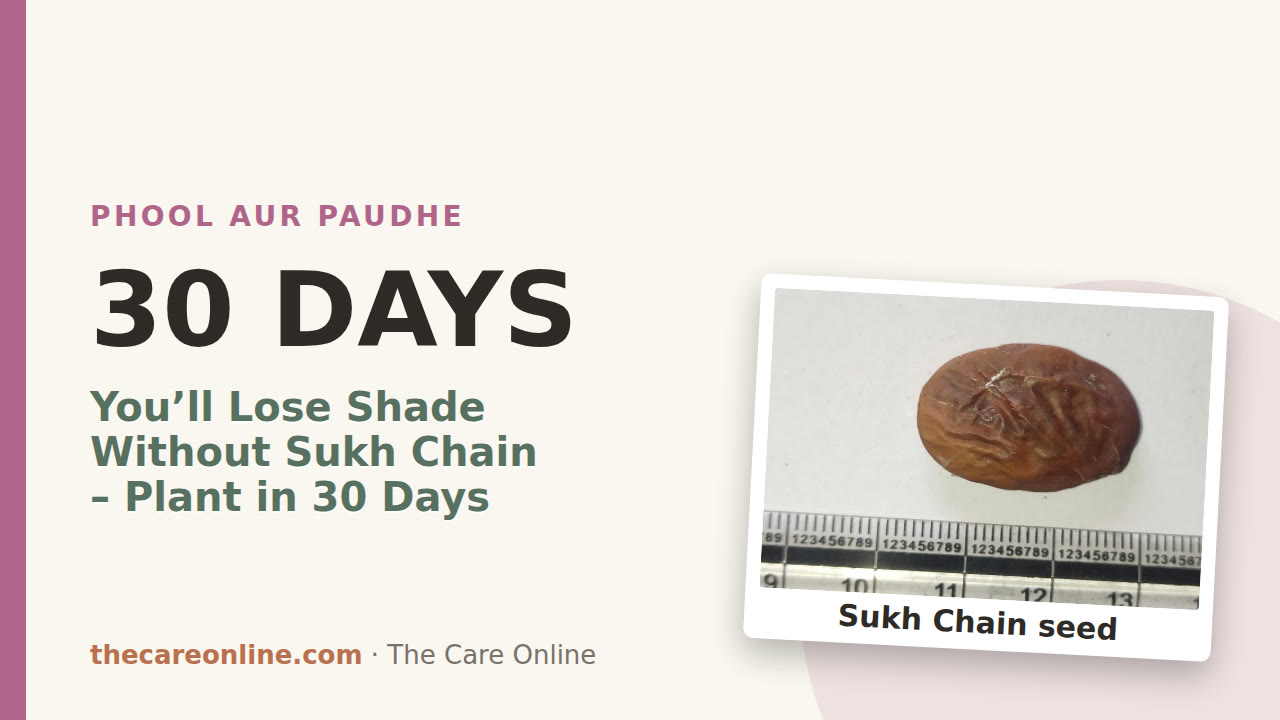
How to Grow Sukh Chain Tree (Pongamia): A Native Shade Pick
 Flowers & Plants