How to Grow Morning Glory: Seeds, Supports and Safe Varieties (Video)
Read the full written guide: How to Grow Morning Glory: Seeds, Supports and Safe Varieties →
Want a lush green balcony curtain that opens fresh trumpet flowers every morning? This guide covers the complete morning glory growing process, from nicking and soaking seeds to choosing supports and avoiding the common mistakes that leave you with nothing but leaves.
Learn which varieties to grow, how to keep seeds safe from children and pets, and the single feeding mistake that prevents flowering. Whether you're in Lahore, Karachi, or the hills, this practical guide helps you grow morning glory the right way.
Show the full transcript
Transcript
Ever tried growing morning glory and ended up with nothing but leaves?
Ever tried growing morning glory and ended up with nothing but leaves?
Grow Morning Glory
Stay for the one feeding mistake that quietly kills every flower.
Pick Annual Types
Your first choice matters most. Go for annual types sold as seed packets, purple, pink, blue, and gorgeous Japanese ipomoea nil types. They die back each season, so you stay in control. Perennial blue morning glory and pink besharam shrubs along canals are different. They spread by runners and seed, climb over trees, and once settled, they're brutally hard to remove.
Start From Seed
Seed is the easiest method. The coat is hard, so help water in. Rub each seed lightly on sandpaper or nick it with nail clippers, away from the tiny eye. Soak overnight in lukewarm water. Seeds that swell are ready; nick any that don't again. Sow directly where they'll grow, about a centimetre deep, two or three seeds per spot. Keep soil moist, not soggy, and seedlings appear within a week or two. Cuttings work, but a fresh packet each spring is simpler.
Give It Support
Morning glory twines around thin things, so it can't grip a flat wall or climb a thick pole alone. Use strong hooks, not tape or a single nail, and never rely on a loose railing or shared drain pipe. Jute or nylon string, plastic garden net, or thin wire mesh all work. For railings, tie a few strings across the bars. For walls, fix the net or wires about five centimetres off the wall.
Sun hours for blooms
Here's a number that matters. Morning glory wants six or more hours of full sun every single day. Anything less, and you'll get a lovely green vine with barely a single trumpet. That's the difference between a bright sunny balcony and a shaded corner. If your spot doesn't get that much light, rethink where you're planting. Six hours minimum, that's the magic number for fresh morning blooms.
Hungry Soil, More Flowers
And this is where it gets interesting. Morning glory actually flowers best in average, even slightly poor soil. Rich compost and nitrogen feeds give you a thick wall of heart-shaped leaves with almost no flowers. Mix in compost only at sowing, then skip feeding altogether. If buds are already showing, use a little bloom fertiliser at half the label rate. Already got all leaves? Stop feeding and let the soil run lean.
Fast Vine, Daily Blooms
This vine is fast, properly fast. From a spring sowing on the plains, vines start flowering in early summer and keep going into autumn. Each flower opens in the morning and closes by afternoon; a fresh set opens the next day. In extreme heat, like forty-five degrees in Multan, flowering slows and leaves wilt at noon, then perk up by evening. Water pots daily in that heat, and every few days in the ground.
Why No Flowers?
So what do you do if your morning glory just won't flower? First, check if you've been overfeeding, especially nitrogen. Next, count sunlight hours, under five or six and you'll get leaves only. Some Japanese types flower as days shorten in late summer, so patience helps. And if the plant's still young, give it six to eight weeks from sowing.
Winter Care and Pruning
Annual morning glory dies with the first frost nights in Lahore, Delhi, and Islamabad, and fades in Karachi's cooler months. Pull it out, save a few seed pods for next year, and store them in a labelled jar out of children's reach. Pruning is light, snip shoots heading where you don't want them, and cut off spent flowers to reduce self-seeding. Hard pruning is only for perennial types, in February.
Seeds Are Toxic
Now, the part most people miss. Morning glory seeds are toxic. They can cause vomiting, and hallucinations if eaten in large amounts, and they're a problem for dogs, cats, and horses. Store packets and dried pods out of reach, never let children play with the seeds, and call a doctor, vet, or poison centre if any are swallowed. Pull stray seedlings before they climb into neighbours' gardens or trees.
Grow It or Skip It?
So should you grow it? Grow annual types for a quick summer screen or a green balcony curtain, few plants cover so much so fast. Skip perennial blue ipomoea and besharam, skip it where toddlers can reach the seed pods, and skip it if your only support is a weak railing. For most people on a sunny balcony, though, annual morning glory is a wonderful, fast reward.
The one mistake to avoid
Now, the one mistake I teased at the start. It's overfeeding. Most people assume more fertiliser means more flowers, but with morning glory, it's the opposite. Rich soil gives you a lush wall of leaves and almost no trumpets. Keep the soil lean, mix compost in only at sowing, and resist the urge to feed. That's the single biggest thing separating a curtain of blooms from a curtain of foliage.
Like, subscribe and comment
Like, subscribe, and share your own experience in the comments below.
Read the full guide
The full guide is on thecareonline.com. General information only, so check with your doctor for your own case.
More videos
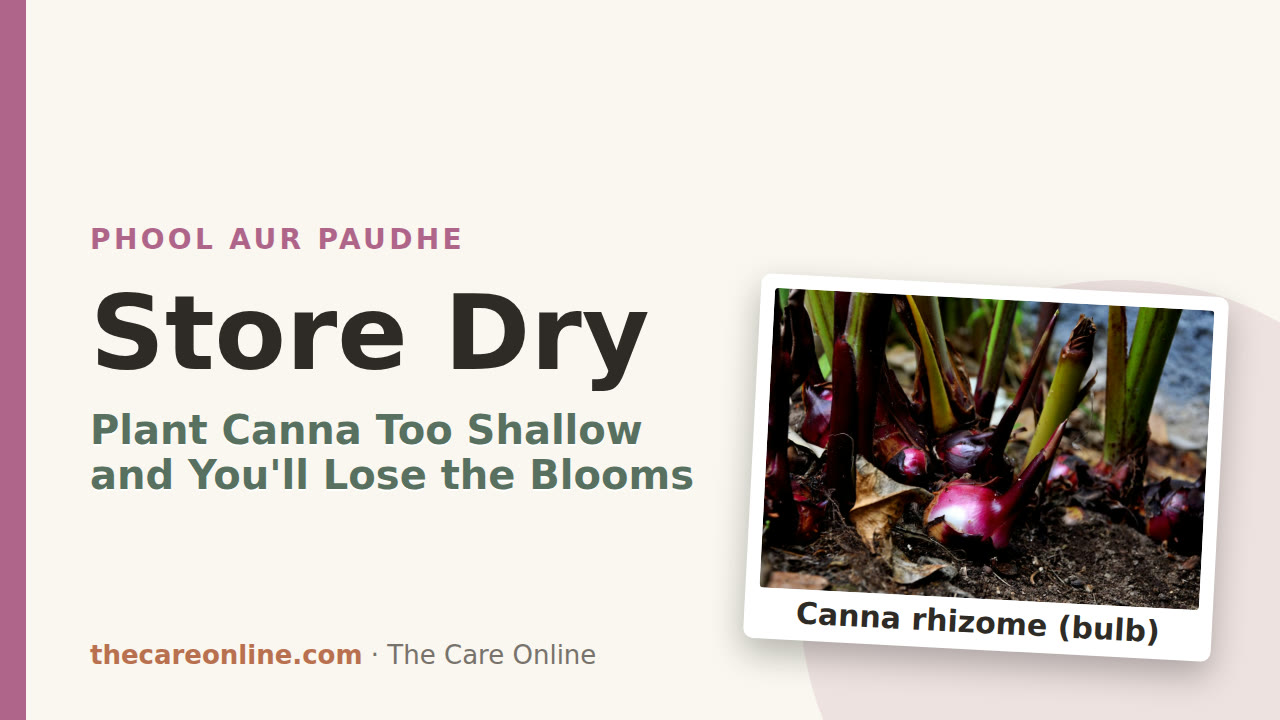 Flowers & Plants
How to Grow Canna: Planting Depth, Pots, Dividing and Storing
 Flowers & Plants
How to Grow Tecoma (Yellow Bells) From Cuttings, and Prune It
 Flowers & Plants
Lawn Grass Types in Pakistan: Korean vs Bermuda vs Dichondra
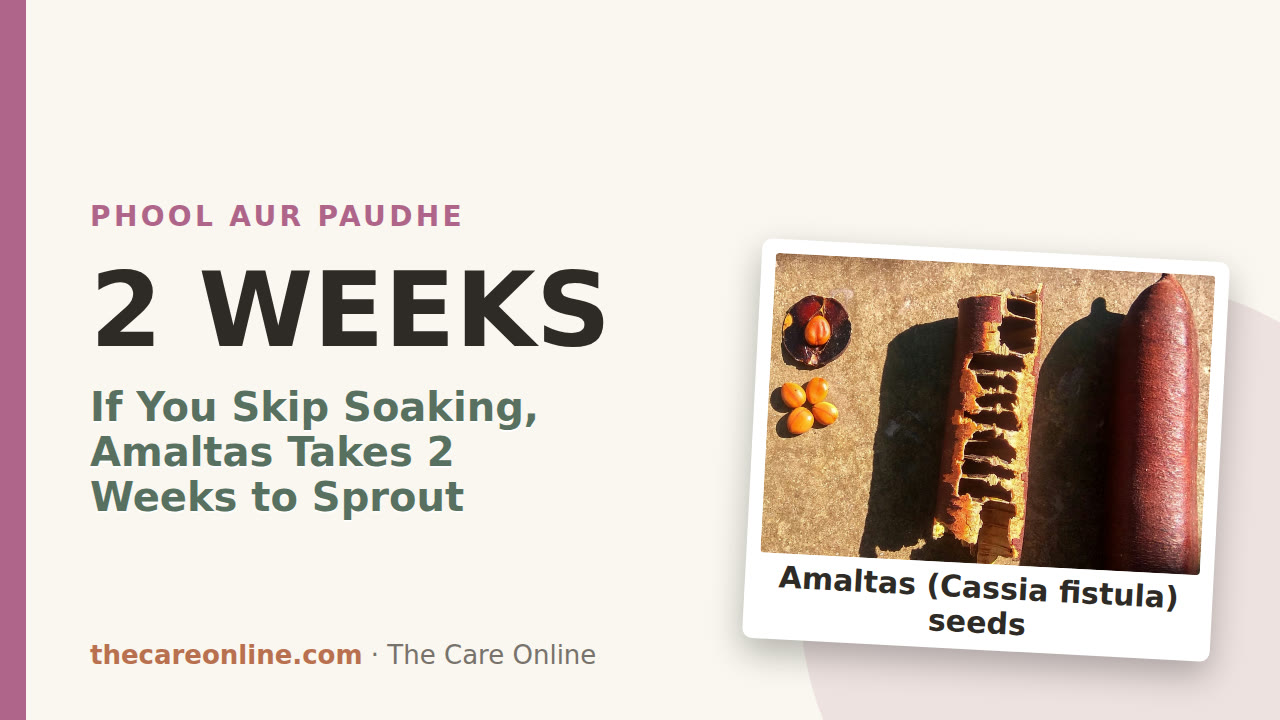 Flowers & Plants
How to Grow Amaltas Tree (Golden Shower): Seed, Roots, Care
 Flowers & Plants
How to Grow Gulmohar Tree: Space, Roots, Seed and Storm Pruning
 Flowers & Plants