How to Grow Larkspur: Sow It in Place, Keep It From Kids and Pets (Video)
Read the full written guide: How to Grow Larkspur: Sow It in Place, Keep It From Kids and Pets →
How to grow larkspur safely Larkspur planting tips for kids and pets Learn the exact sowing time, soil mix, and watering schedule for thriving larkspur spikes. I’ll show you the proper planting depth to keep curious kids and pets safe, and reveal the single habit that can ruin your garden. Follow these steps for a vibrant, pet‑friendly border that blooms all spring. If this is persistent or affecting your daily life, see a doctor.
Show the full transcript
Transcript
Did you know larkspur spikes can poison pets?
Did you know larkspur spikes can poison pets?
Grow Larkspur Safely
If you love those tall blue spikes in spring but worry about little ones or furry friends, stay tuned. I’ll walk you through picking the perfect sunny spot, sowing the seeds directly where they’ll bloom, and the one habit that can ruin everything if you miss it. All in a friendly, step-by-step chat.
Toxic warning
First thing you need to know is that every part of larkspur is toxic, the leaves, flowers, and especially the seeds. The ASPCA flags it as dangerous for dogs, cats, and even horses. So if you have toddlers or curious pets, keep it out of reach, wear gloves when handling seeds, and wash your hands afterward. Does that sound like a lot? It’s better to be safe.
When & where to sow
Now, let’s pick the perfect spot. In most regions you’ll sow in October or early November, right before the cold sets in. Choose a sunny bed that gets at least six hours of light, or a deep pot about ten inches across if you’re on a balcony. And absolutely, keep it away from any play area where kids or pets might wander.
Seed depth
Here’s a tiny detail that makes a big difference: plant each seed about five millimetres deep. That shallow depth lets the cool soil stay moist enough for the slow-germinating larkspur, while also protecting the seed from being washed away by a sudden rain. Too deep and the seed may never sprout; too shallow and it could dry out. Stick to five millimetres and you’ll set the stage for healthy growth.
Skip trays, sow in place
Now, about the actual sowing method, skip the tray entirely. Larkspur develops a long, fragile root early on, and moving it later usually kills it. If you must use a pot, plant the seed in a paper cup or a toilet-roll tube and then bury the whole thing, so the root never gets disturbed. This simple trick saves you a lot of heartache.
Water, feed, pest care
Watering and feeding are simple once seedlings appear. Keep the top two to three centimetres dry before you water again, about every four to six days in the ground during winter, or every two to three days in a pot. A light compost mix at sowing gives enough nutrition, and just wipe off aphids or powdery mildew with a gentle spray of water.
Cut flowers & drying
Thinking about using larkspur as a cut flower? It works beautifully. Cut the spikes early in the cool morning, wearing gloves, and place them straight into water. For drying, hang small bunches upside down in a dark, airy room for two to three weeks. Just remember to keep the dried stems out of reach of kids and pets, because they stay toxic even when dry.
The one mistake to avoid
The key habit that can ruin everything is moving the seedlings after they’ve sprouted. Larkspur’s delicate root hates being disturbed, so transplanting usually leads to weak plants or no flowers at all. The simple fix? Sow the seeds straight into the spot where you want the spikes to appear, and let them stay put. That’s the one mistake to avoid.
Like, subscribe and comment
Like, subscribe, and share your own experience in the comments below.
Read the full guide
Read the complete guide on thecareonline.com. This is general information, not medical advice.
More videos
 Flowers & Plants
How to Grow Tecoma (Yellow Bells) From Cuttings, and Prune It
 Flowers & Plants
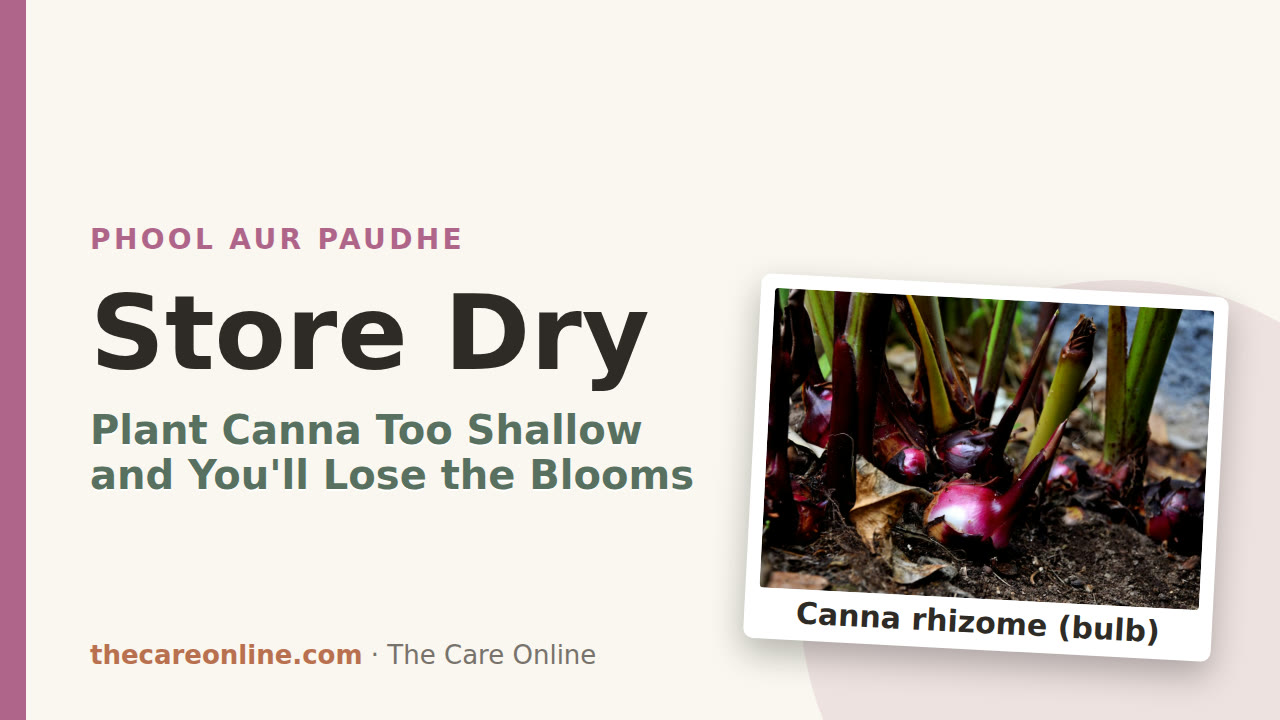
How to Grow Canna: Planting Depth, Pots, Dividing and Storing
 Flowers & Plants
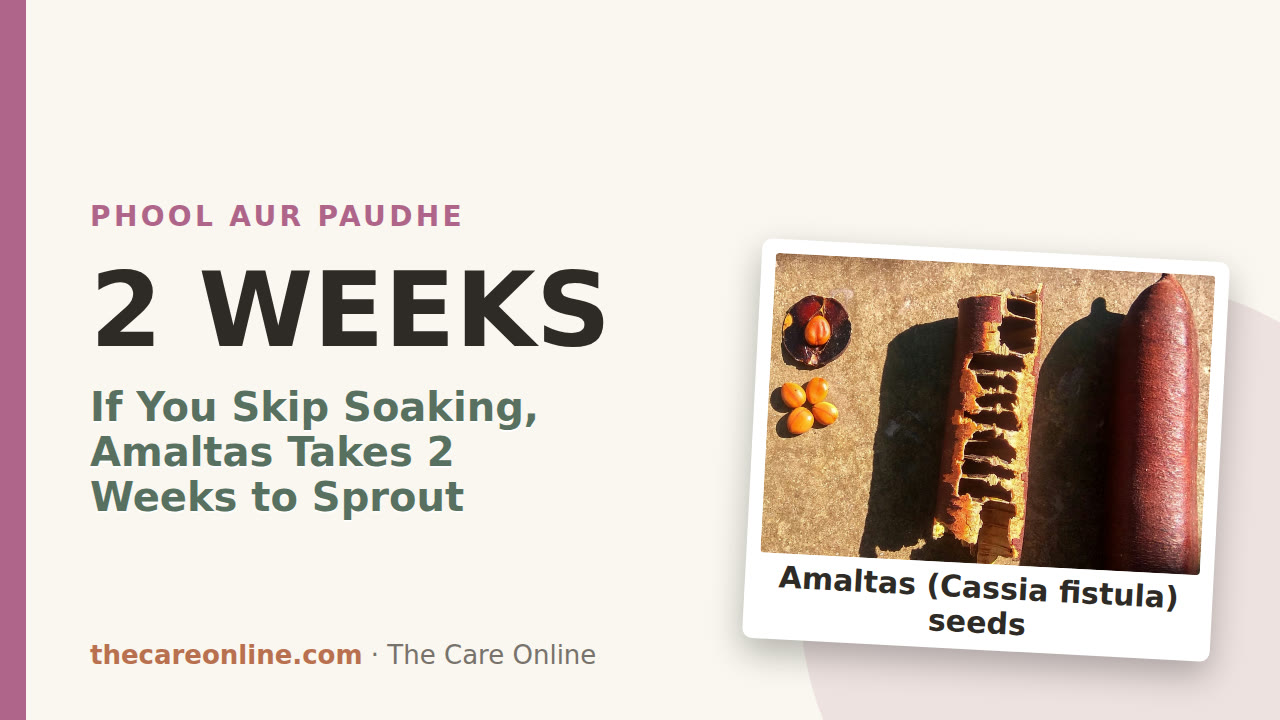
How to Grow Amaltas Tree (Golden Shower): Seed, Roots, Care
 Flowers & Plants
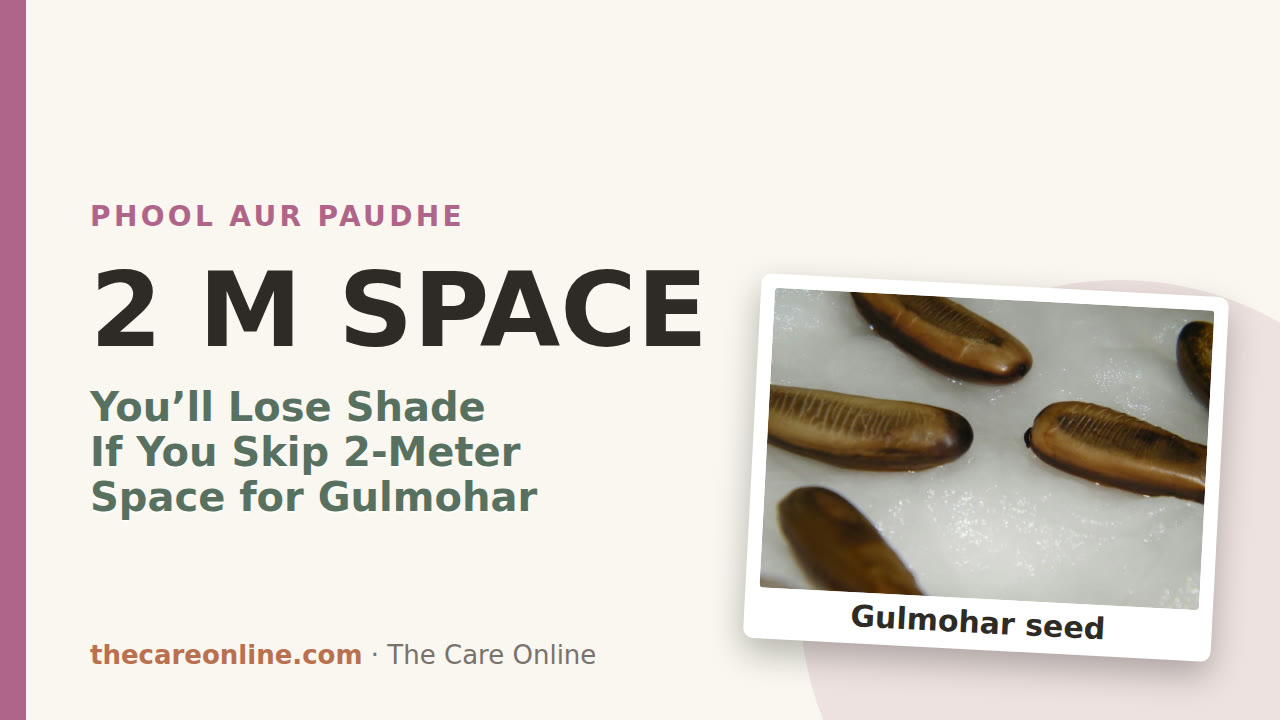
How to Grow Gulmohar Tree: Space, Roots, Seed and Storm Pruning
 Flowers & Plants
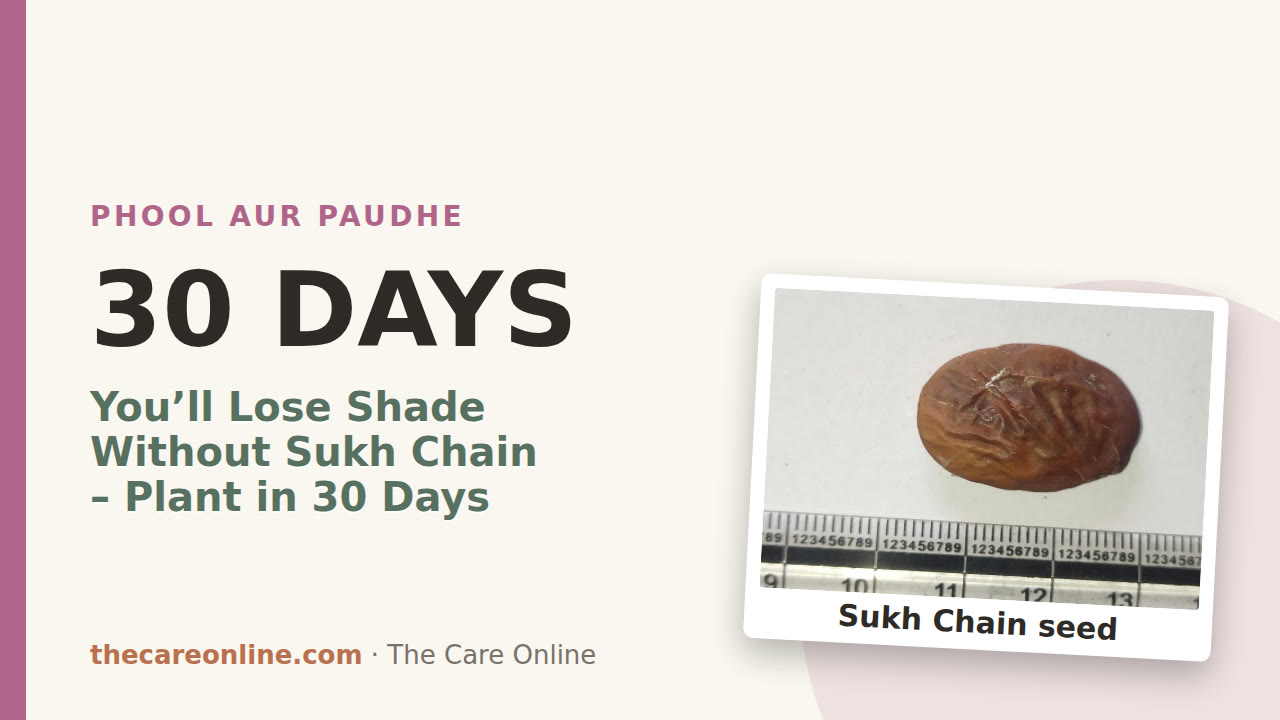
How to Grow Sukh Chain Tree (Pongamia): A Native Shade Pick
 Flowers & Plants