How to Grow Four O’Clock Flower (Gul Abbas), Safely, in a Pot (Video)
Read the full written guide: How to Grow Four O’Clock Flower (Gul Abbas), Safely, in a Pot →
Learn how to grow four o'clock flower (gul abbas) from seed in a pot, the easiest flower you'll ever grow. This guide covers sowing times for Pakistan and North India, step-by-step seed starting, seasonal care, and how to keep your favourite colour using the tuber.
Plus, the one thing most people miss: the black seeds and tuberous roots are poisonous, and they look like peppercorns. We'll show you how to stay safe and how to save seeds that keep for years. Perfect for balcony gardeners and beginners.
Show the full transcript
Transcript
Gul abbas seeds keep for two years, stay for how to save them.
Gul abbas seeds keep for two years, stay for how to save them.
Gul Abbas: Easy, Beautiful, One Catch
Here's the short, honest answer, and one tip most people miss.
Should You Grow It?
Here's the thing, this is the easiest flower you can grow from seed. Soak the big black seeds overnight, sow them from March to May, and by summer evenings you get fragrant trumpets in pink, yellow, white, or stripes. But those seeds and tuberous roots are poisonous, and it seeds itself so freely it becomes a weed. If you've got a toddler or a seed-chewing dog, keep it in a pot, strip off the seeds weekly, and keep it out of reach.
When to Sow
Timing depends on where you live. In Karachi, you can sow from February through August. In Multan, Sukkur, and Bahawalpur, aim for March to April, then again in July. For Lahore, Faisalabad, and Delhi, March to May works, plus June to July. And up in Islamabad, Peshawar, and the hills, wait for April through June. The key is warm soil, these seeds love heat and sprout within a week.
Seed Beats Nursery
Seed, without question. The seeds are large, sprout quickly, and grow fast. Plus, nurseries rarely sell gul abbas because anyone with a plant has more seed than they can use, just ask a neighbour. Nursery seedlings only make sense if you want one particular colour, since plants from seed can come up in pink, yellow, white, or striped mixes.
Sow Seeds Step by Step
Start by soaking the seeds overnight in plain water, that speeds up germination. Then fill a twelve-inch pot with two parts soil, one part compost, and one part sand. Sow two or three seeds about half a centimetre to a centimetre deep. Gul abbas grows a tap root and a tuber, so sow it where it will stay rather than transplanting. Keep the soil damp, and in warm weather, seedlings often appear within a week.
Care Through the Seasons
This plant takes care of itself. Full sun gives the most flowers, though in Multan and Sukkur, afternoon shade keeps leaves fresh. Water when the top three centimetres are dry, and in forty-five degree summer heat, water at dawn daily for pots, leaves may droop at midday but lift by evening. During monsoon, it likes moisture but not standing water, so empty those saucers. Pinching is optional; the plant branches well on its own. And if it gets floppy, cut back a third in mid-summer.
Keep Your Favourite Colour
Plants from seed may come up in any colour, so if you love one particular plant, keep its tuber. After the tops die in autumn, dig it up with gloves on, brush off the soil, dry it in shade for a few days, and store it in dry sand or newspaper in a cool, dry spot until spring. Replant in March, and it regrows the same colour and flowers sooner than seedlings.
Why Isn't It Flowering?
First, check the time, these flowers open late afternoon and close by the next morning, so if you're looking at noon, you'll miss them completely. Check at sunset. Other culprits: too much shade or fertiliser gives you big leaves but few buds. Seedlings usually take a couple of months to flower, so be patient. And if the pot is root-bound, the tuber fills small pots fast, move it up a size.
Pests? Barely Any
Good news, there are no significant pest or disease problems with gul abbas. Aphids might cluster on new shoots in spring, but you can just wash them off. In very wet, heavy soil, the tuber can rot, so make sure your potting mix drains well. The real problem is self-seeding, those black seeds drop and sprout everywhere, so pull young volunteers while they're small.
Poisonous Seeds and Roots
Here's something important, the roots and seeds are poisonous. Swallowing them can cause stomach pain, nausea, vomiting, or diarrhoea, and handling roots can irritate skin. The seeds look like peppercorns, which makes them dangerously attractive to toddlers. So keep plants out of reach of kids and pets, wear gloves when lifting tubers, and wash hands after collecting seed. If a child or pet swallows any, call a doctor, poison helpline, or vet, and seek urgent care for repeated vomiting or drowsiness.
Seeds Keep Two Years
Saving seeds is easy. A few days after a flower fades, a hard, wrinkled seed forms at its base, green at first, then black. Pick them when they're black and come away with a light touch. Wear gloves or wash your hands after. Dry them in shade for a week, then store them in a labelled paper envelope, out of children's reach. They keep for a couple of years, so you won't need to buy seeds again.
Like, subscribe and comment
If this helped, a like and a subscribe really help. Drop your question in the comments.
Read the full guide
The full guide is on thecareonline.com. General information only, so check with your doctor for your own case.
More videos
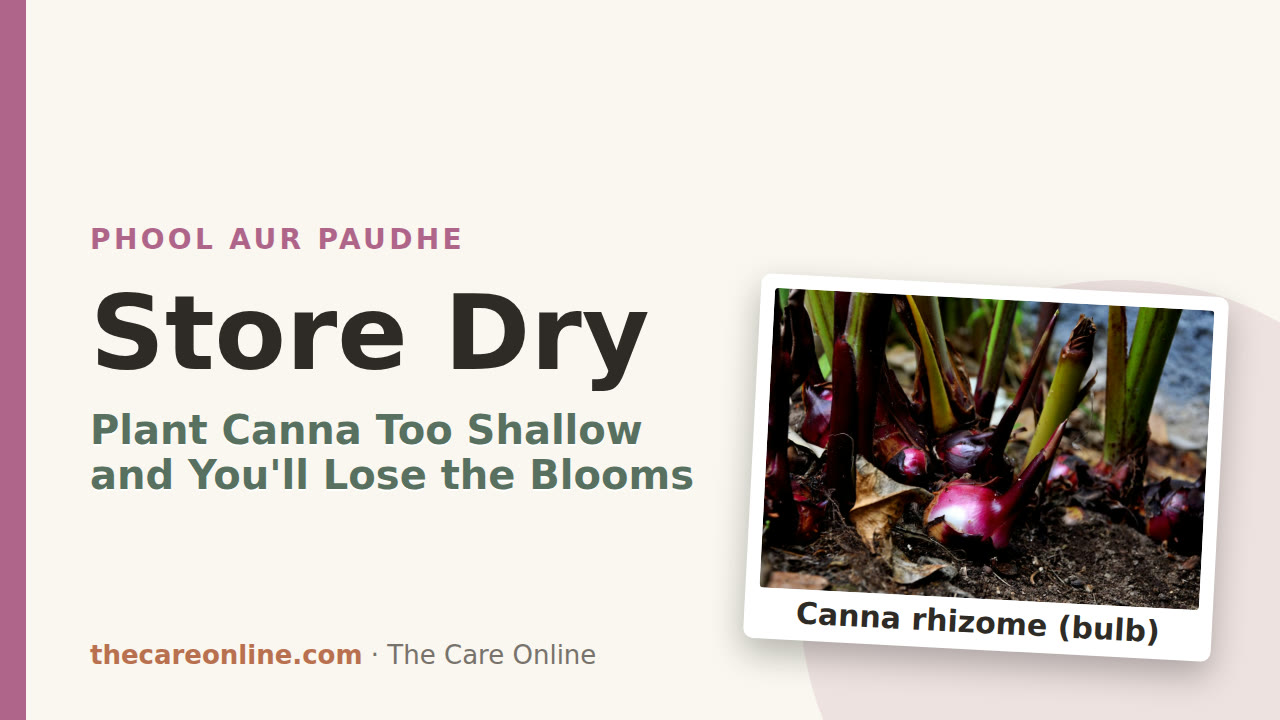 Flowers & Plants
How to Grow Canna: Planting Depth, Pots, Dividing and Storing
 Flowers & Plants
How to Grow Tecoma (Yellow Bells) From Cuttings, and Prune It
 Flowers & Plants
Lawn Grass Types in Pakistan: Korean vs Bermuda vs Dichondra
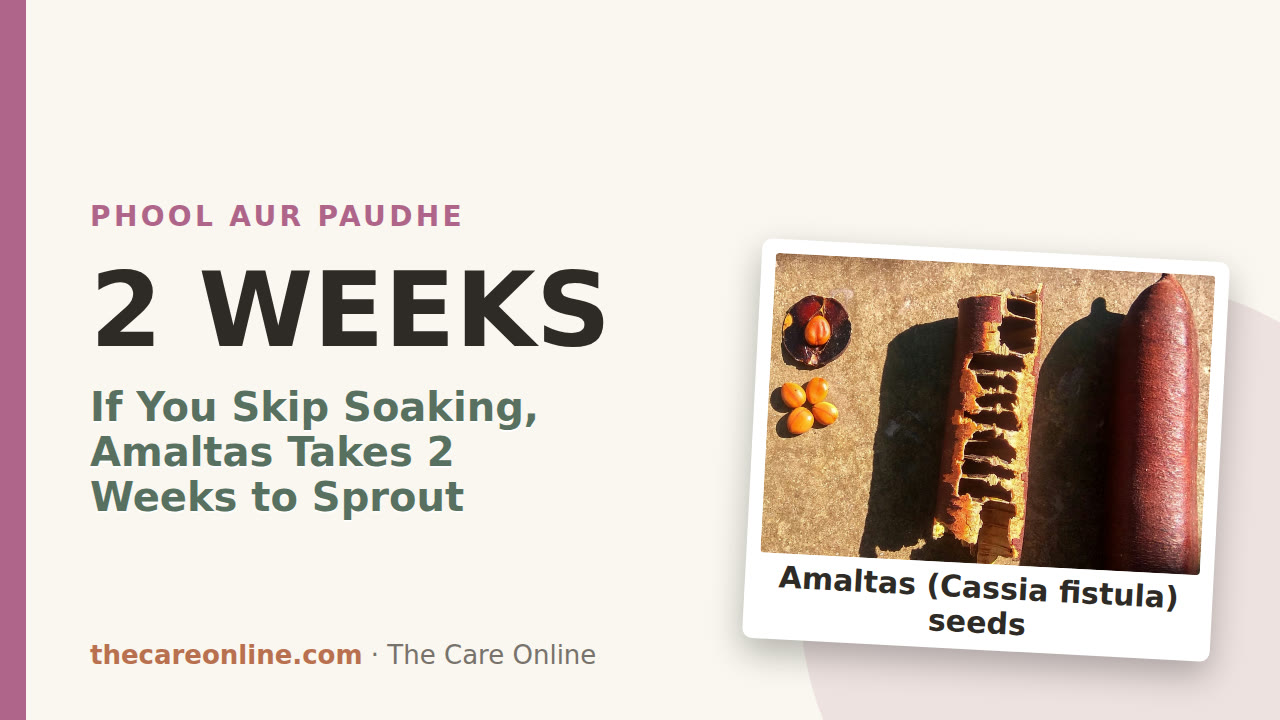 Flowers & Plants
How to Grow Amaltas Tree (Golden Shower): Seed, Roots, Care
 Flowers & Plants
How to Grow Gulmohar Tree: Space, Roots, Seed and Storm Pruning
 Flowers & Plants