How to Grow Eucalyptus Tree (Safeda), and Where You Never Should (Video)
Read the full written guide: How to Grow Eucalyptus Tree (Safeda), and Where You Never Should →
Should you plant eucalyptus (safeda) trees? Where should you never plant safeda? This video gives you the honest, practical case for and against planting eucalyptus, or safeda, trees. You'll learn where they genuinely earn their place — like waterlogged or saline farmland — and where they will cost you: near building foundations, underground pipes, and septic tanks. The roots spread wide and thirsty, and they will find water in your plumbing. We also cover how to grow them properly, spacing, and the mistakes farmers make. If this is persistent or affecting your daily life, see a doctor.
Show the full transcript
Transcript
Safeda drinks so much it can dry a village spring. Really.
Safeda drinks so much it can dry a village spring. Really.
Eucalyptus: Grow It or Not?
Stay for the one trick that stops a safeda row from stealing your harvest.
Why everyone argues about safeda
Here's the thing: safeda is genuinely useful. It grows fast, gives you fuel, poles, timber, even honey, and it shrugs off salty soil up to about pH 8.5. But it's thirsty, really thirsty. Farmers complain crops next to it yield less, and a survey in two Malakand villages linked eucalyptus plantations to springs drying up. So the controversy is real. Where you put it decides the story.
The same thirst, two stories
There's a line from the review that stuck with me: 'The same thirst that dries a spring can rescue a waterlogged field.' Where you plant it decides which story you get. Put it on waterlogged farmland and it drains the ground. Put it near a spring and it dries it up. Same tree, same roots, same thirst, completely different outcome. It's about whether it's in the right place.
Where safeda earns its place
So where should you actually plant it? On waterlogged or saline farmland, the kind of ground where almost nothing else grows. There, safeda draws down the water table and tolerates the salt, so it earns its keep. Big field edges, far from wells and irrigated crops, are also fine. But a home garden, a lawn, a roadside in front of houses? Skip it. Too tall, too thirsty, too close to walls and drains.
The home-garden verdict
So here's the honest verdict for a home garden: skip it. A mature safeda is often taller than a three-storey house, and the RHS warns its drying effect on shrinkable clay can reach as far as the tree is tall. Roots can spread up to three times the tree's height. On a normal plot, there is no safe distance. If you already have one near the house, a qualified arborist can advise.
Roots spread 3x the height
Here's the interesting part. The RHS lists eucalyptus among high water demand trees whose drying effect on shrinkable clay can reach as far as the tree is tall, and notes roots can spread up to three times the tree's height. A mature safeda is often taller than a three-storey house. So a tree that's thirty feet tall can send roots ninety feet out. That's why drains and septic tanks are a magnet for them.
How far from walls and pipes?
Now, the part most people miss: distance. For buildings on clay, you'd want at least the tree's full expected height away, meaning plantations go on the far side of fields. For drains, sewers and septic tanks, as far as possible, because old leaking joints draw roots in. And for wells? The Pakistan review cites Indian data where bore wells near plantations were affected. So keep safeda well away from your well.
Growing safeda from seed
If you're planting on farmland, here's how. Buy seed from a forest department nursery that names the species. The seed is tiny, like dust. In February to March, or after the monsoon, mix the seed with dry fine sand and spread it thinly over a tray of soil. Water from below or with a fine mist, and keep it in light shade. When seedlings have two to four true leaves, prick them out into polythene bags.
Planting and first two years
For planting, dig pits about forty-five centimetres wide and deep. The conventional spacing recorded by the Pakistan Forest Institute is three metres by three metres. Plant the seedling at bag depth, firm it in, and water well. In the first summer, water weekly if there's no irrigation or rain. Keep weeds and grass cleared in a one-metre ring for the first year. On very poor soil, a basket of well-rotted farmyard manure in the pit is enough.
Harvested on an 8-year rotation
What surprised me is how fast this tree pays you back. On good, moist ground, it's one of the quickest trees farmers can plant, which is why it's cut for poles and fuelwood within several years. A Sindh plantation recorded by the Pakistan Forest Institute was harvested on an eight-year rotation. Cut stumps sprout again, so one planting can give several harvests. It keeps growing tall, towering over everything.
Worth knowing before you plant
Before you go further, a few things worth knowing. Eucalyptus oil is poisonous if swallowed, and children are most at risk. The leaves and oil are not a home remedy to experiment with. Big safeda trees drop heavy limbs without warning, so never park or play under them in wind. Felling a tall tree is dangerous work for trained people only, and roadside or canal trees usually belong to the government, so don't cut them.
The one trench trick
Now, the one trick that makes a boundary row kinder to your crops. Every few years, dig a deep, narrow trench between the tree row and the crop to cut the spreading surface roots. Keep the row on the north side of the field, where its shade falls off the crop. It doesn't stop the water draw from deeper roots, but it reduces the obvious damage to the first crop rows. A little digging every few years can save your harvest.
Like, subscribe and comment
If this helped, a like and a subscribe really help. Drop your question in the comments.
Read the full guide
Read the complete guide on thecareonline.com. This is general information, not medical advice.
More videos
 Flowers & Plants
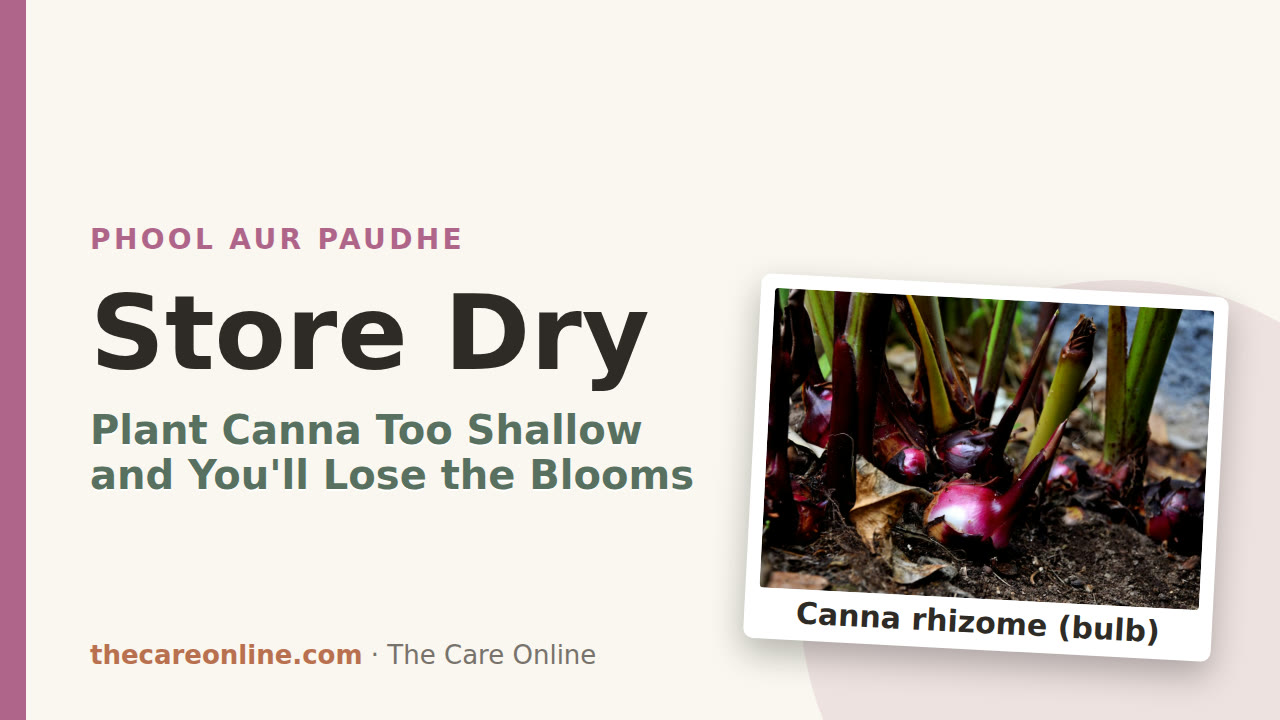
How to Grow Canna: Planting Depth, Pots, Dividing and Storing
 Flowers & Plants
How to Grow Tecoma (Yellow Bells) From Cuttings, and Prune It
 Flowers & Plants
Lawn Grass Types in Pakistan: Korean vs Bermuda vs Dichondra
 Flowers & Plants
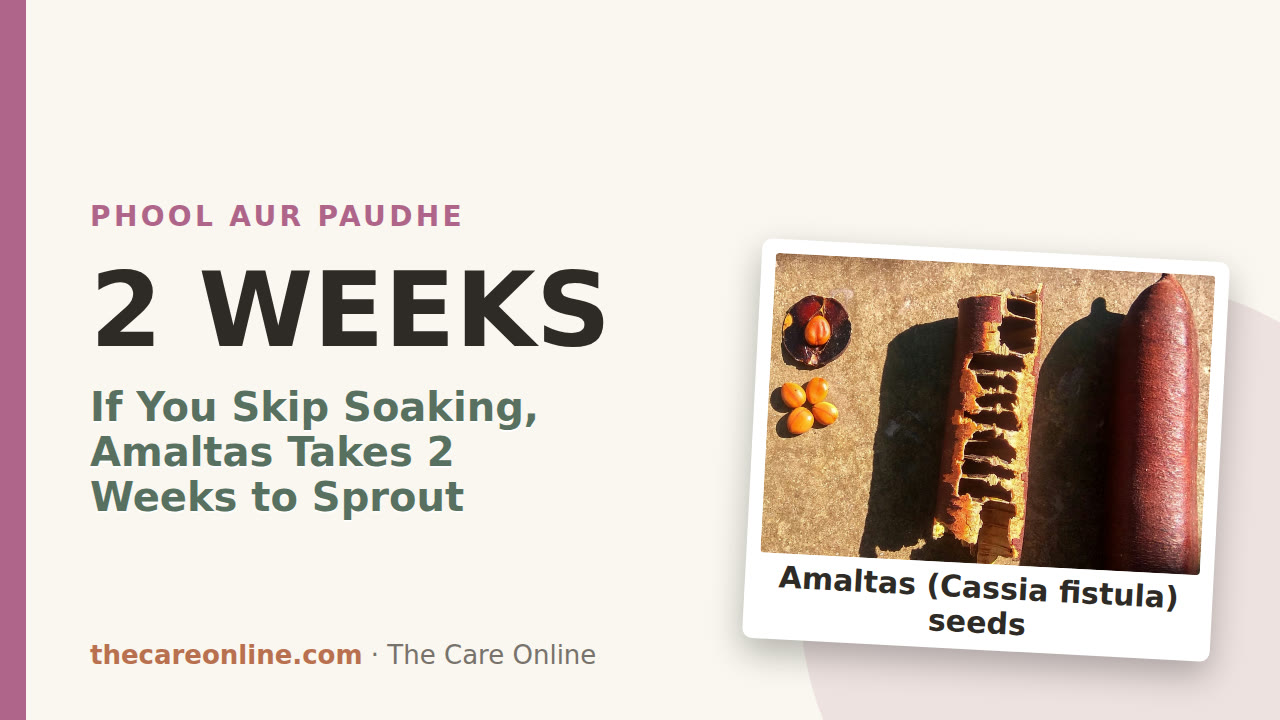
How to Grow Amaltas Tree (Golden Shower): Seed, Roots, Care
 Flowers & Plants
How to Grow Gulmohar Tree: Space, Roots, Seed and Storm Pruning
 Flowers & Plants