How to Grow Cornflower (Bachelor’s Button): Easy Winter Blue (Video)
Read the full written guide: How to Grow Cornflower (Bachelor’s Button): Easy Winter Blue →
how to grow cornflower in winter winter blue flower gardening tips Learn how to coax vibrant blue bachelor's button (cornflower) blossoms from the cold with a simple three‑step routine that works in pots or garden beds. I’ll guide you through the right soil mix, spacing, watering schedule, and timing so the seeds sprout even when frost bites. You’ll discover which indoor spot or sheltered outdoor niche keeps the seedlings warm, and how to protect them from harsh winds without expensive equipment. The video also shares quick fixes for common issues like soggy soil or slow germination, plus a note on attracting bees for better pollination. Follow these steps and you’ll enjoy a splash of true blue in your winter garden, without the disappointment of a barren bed. If this is persistent or affecting your daily life, see a doctor.
Show the full transcript
Transcript
Can you grow true blue flowers in a winter garden?
Can you grow true blue flowers in a winter garden?
Blue Winter Flowers
In this video you'll discover how to coax those vivid blue bachelor's button blooms out of the cold, with step-by-step tips that work in pots or garden beds, and I’ll reveal a tiny trick at the end that will keep the flowers coming back year after year.
Cornflower basics
Cornflower, also called bachelor's button, is a hardy low-maintenance annual that loves cool winters. It puts on a splash of true blue from February to April, and if you leave a few heads at the end, it will drop seeds and reseed itself for the next season. No fancy soil or fertilizer needed.
Sowing seeds
Start by mixing ordinary garden soil with a pinch of sand and a handful of compost, it doesn't have to be rich. Press two or three seeds into each spot, about a centimetre deep, and space the rows roughly twenty centimetres apart. Water once well and let the soil stay just moist.
Watering frequency
In the ground, cornflowers only need a drink every six to eight days during winter, while in pots you can wait until the top three centimetres dry out, usually three to four days. Frosty nights won’t hurt them, but once March rolls in, water a bit more often to keep them thriving.
Thin seedlings
When the seedlings push up, you’ll see little clumps. Thin them out so only the strongest plant with three or four true leaves stays in each spot. This gives each plant room to grow stockier and bloom better, and it prevents overcrowding that can choke the flowers.
Let heads seed
Around mid-March, stop deadheading most of the plants and let two or three heads dry into little brushes full of seed. Those seeds will fall onto the soil and, by October, you’ll see new seedlings popping up on their own, a natural way to keep the garden blue year after year.
Why not flowering
If your cornflowers stay floppy or never open, check a few culprits: less than five hours of sun makes stems weak, overly rich soil encourages leaves over blooms, and crowded seedlings compete for light. Adjust these and you’ll see a fuller display.
Pollinators & garnish
Cornflowers are a magnet for bees and other pollinators during the quiet winter months, so planting a short row along the edge of a vegetable bed brings beneficial insects right to your food. The blue petals are edible too, just scatter a few over salads or raita for a pop of colour, but only use flowers you grew without sprays.
The one trick for next year
The single most useful tip is to let a few flower heads go to seed instead of deadheading them all. By doing this in March, the plants will naturally drop seeds that germinate the next autumn, giving you a self-sowing carpet of blue without any extra effort.
Like, subscribe and comment
Useful? Like and subscribe, and tell us in the comments what we should check next.
Read the full guide
The full guide is on thecareonline.com. General information only, so check with your doctor for your own case.
More videos
 Flowers & Plants
How to Grow Tecoma (Yellow Bells) From Cuttings, and Prune It
 Flowers & Plants
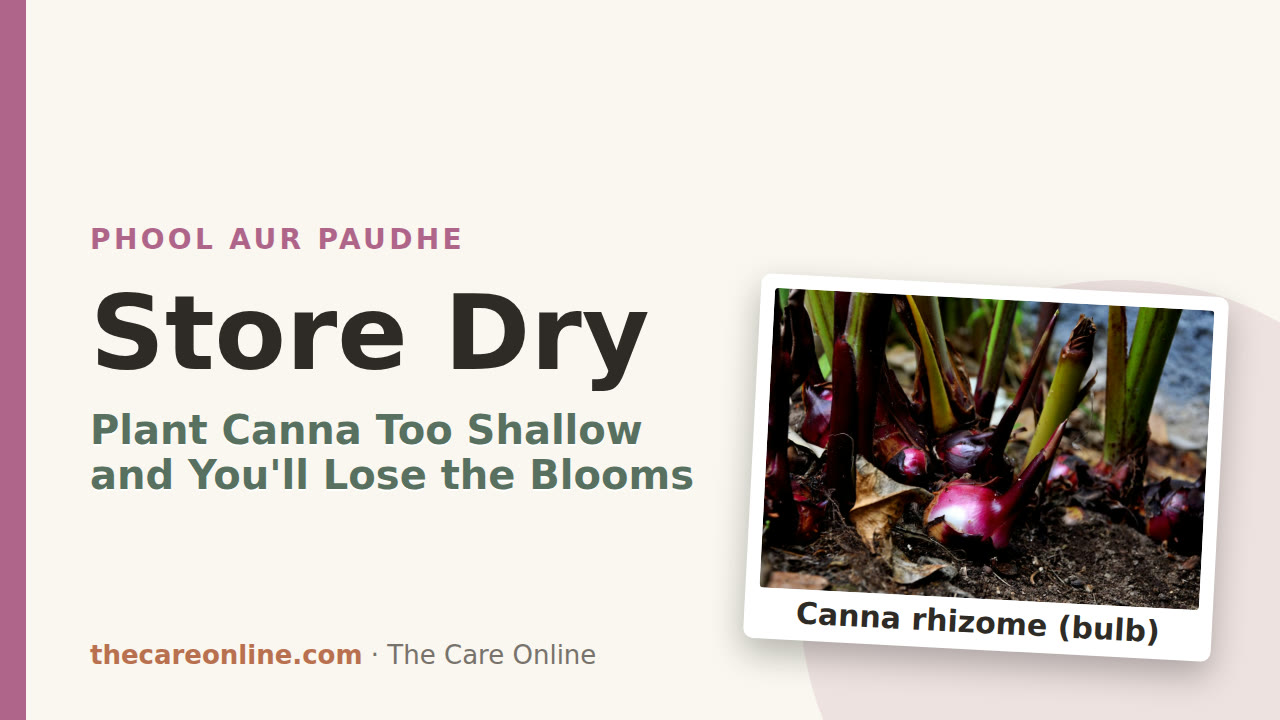
How to Grow Canna: Planting Depth, Pots, Dividing and Storing
 Flowers & Plants
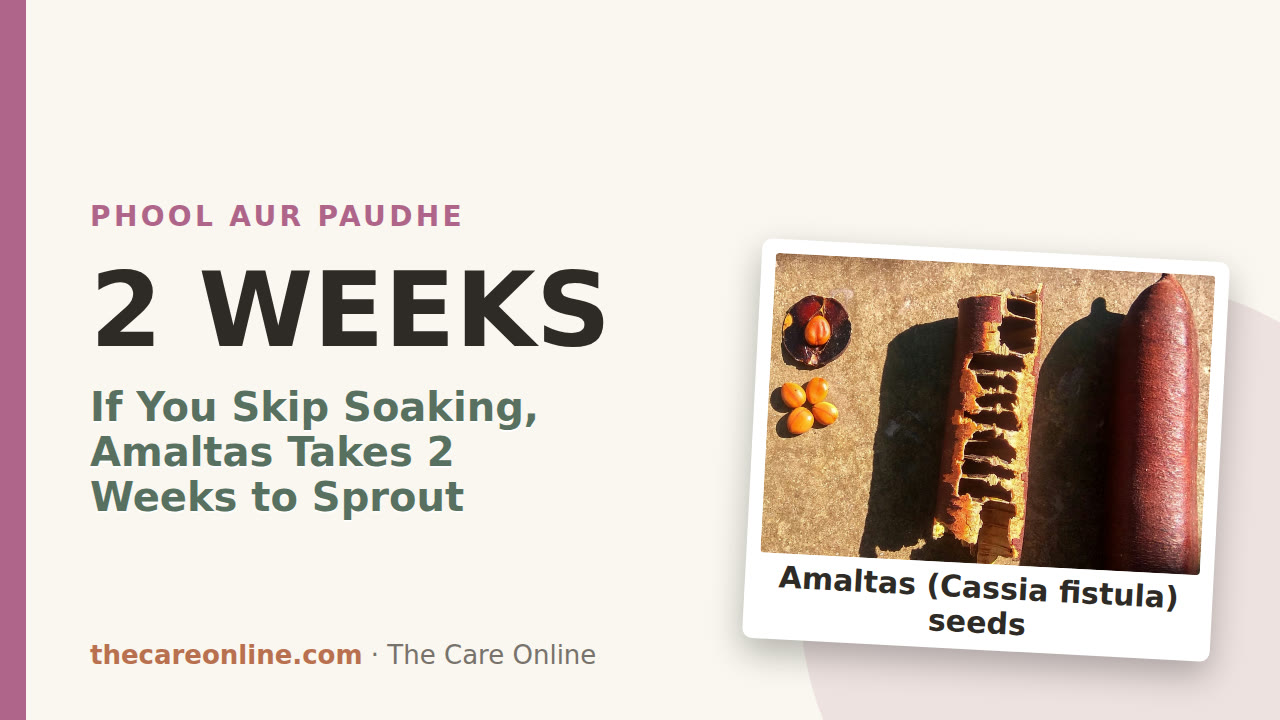
How to Grow Amaltas Tree (Golden Shower): Seed, Roots, Care
 Flowers & Plants
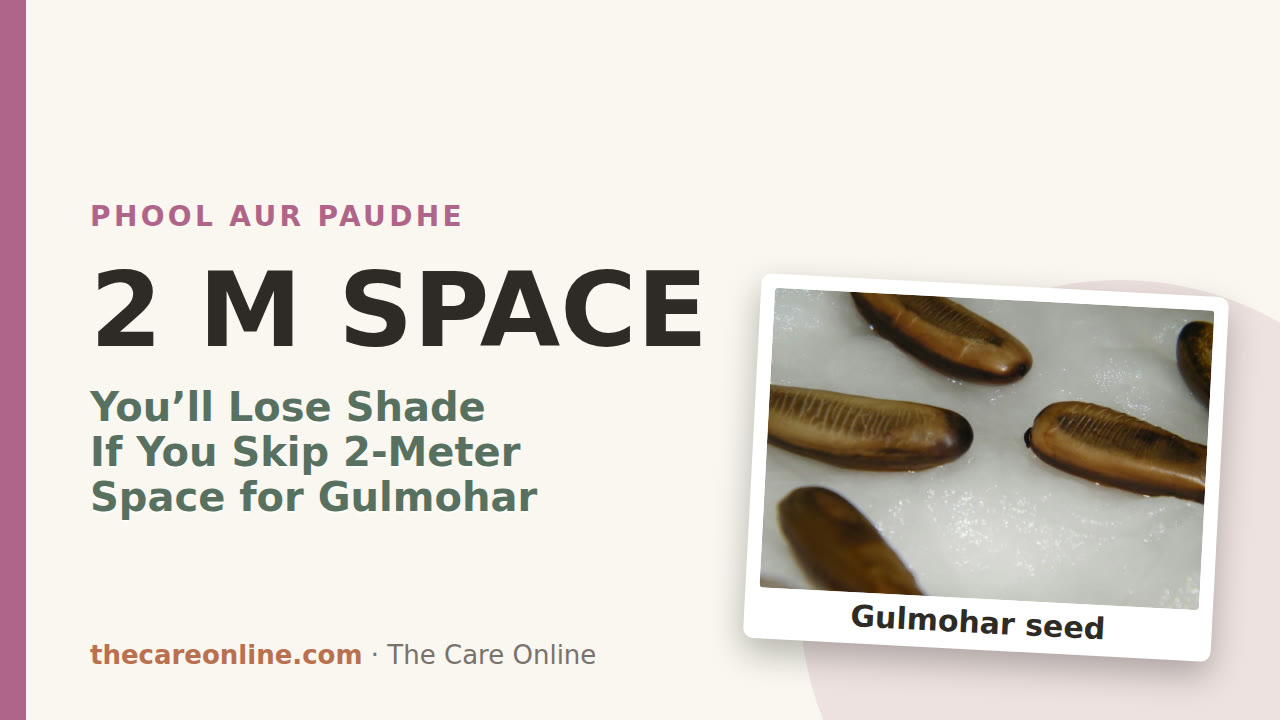
How to Grow Gulmohar Tree: Space, Roots, Seed and Storm Pruning
 Flowers & Plants
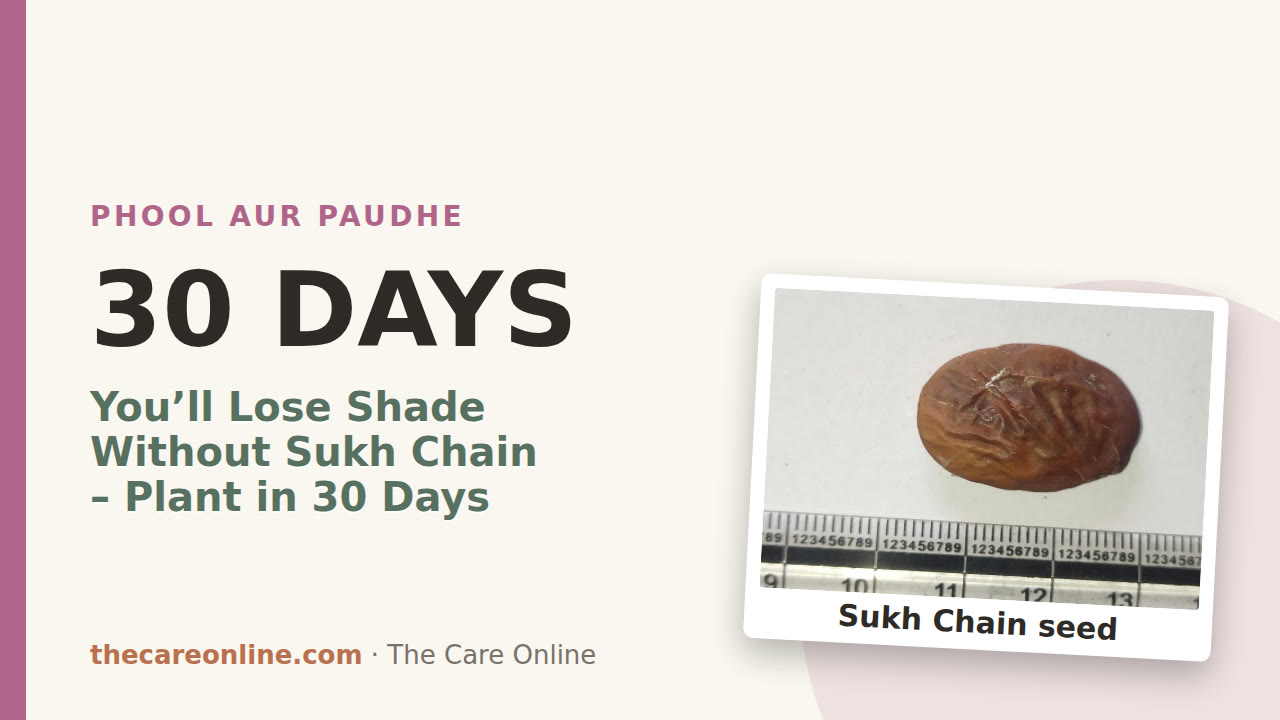
How to Grow Sukh Chain Tree (Pongamia): A Native Shade Pick
 Flowers & Plants