How to Grow Clerodendrum Inerme Hedge: Salt Proof Coastal Pick (Video)
Read the full written guide: How to Grow Clerodendrum Inerme Hedge: Salt Proof Coastal Pick →
Your coastal hedge keeps browning despite your best efforts? Clerodendrum inerme, also known as Indian privet, might be the answer. This salt-tolerant evergreen shrub shrugs off sea spray and harsh winds, making it one of the few honest replacements for conocarpus along the coast. Learn how to propagate it from cuttings, plant it properly, and keep it thriving through the seasons.
We break down which cities suit it best, the gardener's shortcut for a faster hedge, the right watering rhythm, and common problems like brown leaves and pests. Plus, discover the one mistake that stops your hedge from flowering. Whether you're in Karachi, Lahore, or Mumbai, this practical guide helps you grow a beautiful, resilient hedge.
Show the full transcript
Transcript
Your coastal hedge keeps browning? This shrub shrugs off salt spray.
Your coastal hedge keeps browning? This shrub shrugs off salt spray.
Grow a Salt-Proof Hedge
Stay for the one brown-leaf cause that needs patience, not panic.
Why coastal hedges fail
Here's the thing. If you live near the sea and your hedge keeps browning, it's probably not your fault. Salt spray and that harsh Karachi wind scorch most plants. But clerodendrum inerme, also called Indian privet, shrugs both off. It's an evergreen shrub to about three metres, tolerates saline soil, and handles full sun or part shade. Honest replacement for conocarpus along the coast.
Right city, right plant
Now, the part most people miss. This plant's superpower is salt and sea wind, so outside the coast you lose the reason to choose it. In coastal humid cities like Karachi, Gwadar, or Mumbai, it's perfect. In hot dry places like Multan, it survives but needs regular water. In Punjab plains, summer's fine but hard frost nights can brown it. And in Islamabad or Peshawar, dodonaea does better. Match the plant to your city first.
Rooting cuttings easily
How do you get more of these? From cuttings, and it's simpler than you'd think. Between March and May, or after the monsoon, cut fifteen to twenty centimetre pieces of firm, non-flowering stems, each with three or four leaf joints. Strip lower leaves and halve the big ones to reduce water loss. Push them about five to seven centimetres deep into half sand, half cocopeat. Keep in bright shade, mist lightly, keep just damp. Some fail, so plant extra.
Staggered double row
Here's a gardener's shortcut that honestly surprised me. Instead of one straight line, plant a staggered double row. Two rows about thirty centimetres apart, with plants offset like bricks. It closes in much faster, hides gaps where a cutting fails, and gives a thicker base. Many gardeners set rooted plants roughly a foot to a foot and a half apart within each row. Closer spacing fills sooner, but costs more plants. Think about it. Worth it for a fast privacy screen.
Planting your hedge
For the actual planting, dig a trench about forty-five centimetres wide and deep along your line. In Karachi's sandy or rubble-filled plots, remove the builder's debris. Mix the dug soil with about a third compost or well-rotted manure. Plant at the same depth they sat in their bags, firm well, and water until soaked. Mulch with dry leaves or straw to keep roots cool. In pots, use at least a twelve to fourteen inch pot, with two parts soil, one part compost, one part sand.
Screen in year two
So how fast does it actually grow? Moderately fast, in warm frost-free places. A well-watered row on the coast usually becomes a usable screen within its first or second year. That's the stat that matters. It slows in winter in the Punjab plains, and almost stops on cold nights. On dry, poor soil, growth is slower and thinner. Which is exactly why that first summer's watering matters so much.
Watering made simple
How much water does it need? Less than most hedges, more than people assume. Moderate to plentiful water, and a hedge that's always dry loses its lower leaves. First year, twice a week in summer, weekly in winter. Established on the coast, a deep soak every seven to ten days in summer, rain covers the monsoon. Inland in forty-five degree heat, every four to six days. Pots, daily in peak summer. Use the finger test, simple enough, right?
Trim little and often
Now, the one mistake most people make. They give their hedge one hard cut a year. But with clerodendrum, trim little and often, like a regular haircut. Every four to six weeks from March to October, taking off new growth back to just above the last trim line. Keep it wider at the base than the top. But here's the thing. The fragrant white tube flowers form at branch tips. So a tightly clipped hedge will barely flower. Let one side grow looser if you want flowers.
Vs conocarpus
What about conocarpus, the usual coastal hedge? Clerodendrum is slower to reach privacy height, and that's the honest trade-off. But conocarpus also attracts allergy complaints in Karachi, and it grows into a large tree with big roots that are hard on drains and paving. Clerodendrum stays a shrub around three metres, has gentler roots, and handles salt and wind just as well. So if you can wait a little longer, it's a kinder option.
Why leaves turn brown
So what if your leaves start turning brown? Look at when it happens. Brown edges after a cold night, that's frost damage. Wait until February, then trim. Brown, crisp patches in May and June inland, that's drought stress. Water deeper and mulch. Yellow then brown lower leaves, that's waterlogged soil, often from a lawn sprinkler or blocked drain. Sticky leaves with black film, that's mealybugs or whitefly with sooty mould. Hose it off, then a mild soap spray in the evening. And wear gloves when spraying anything stronger.
Like, subscribe and comment
If this helped, a like and a subscribe really help. Drop your question in the comments.
Read the full guide
The full guide is on thecareonline.com. General information only, so check with your doctor for your own case.
More videos
 Flowers & Plants
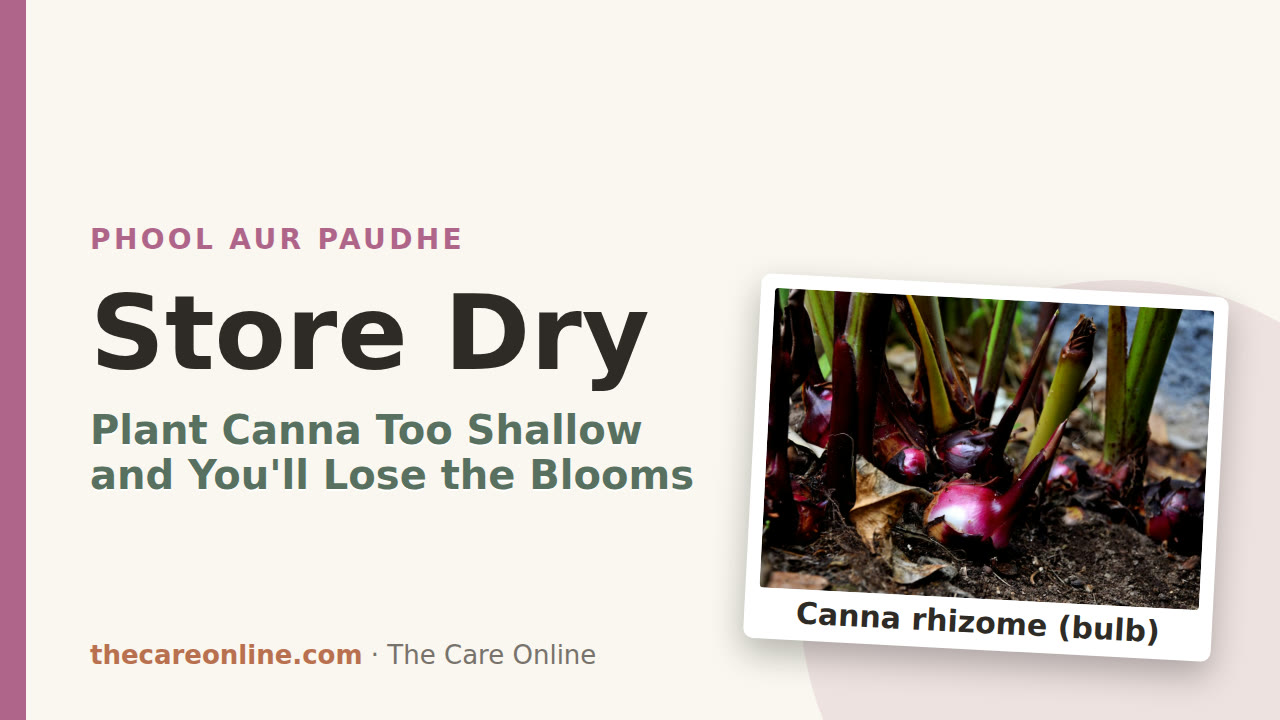
How to Grow Canna: Planting Depth, Pots, Dividing and Storing
 Flowers & Plants
How to Grow Tecoma (Yellow Bells) From Cuttings, and Prune It
 Flowers & Plants
Lawn Grass Types in Pakistan: Korean vs Bermuda vs Dichondra
 Flowers & Plants
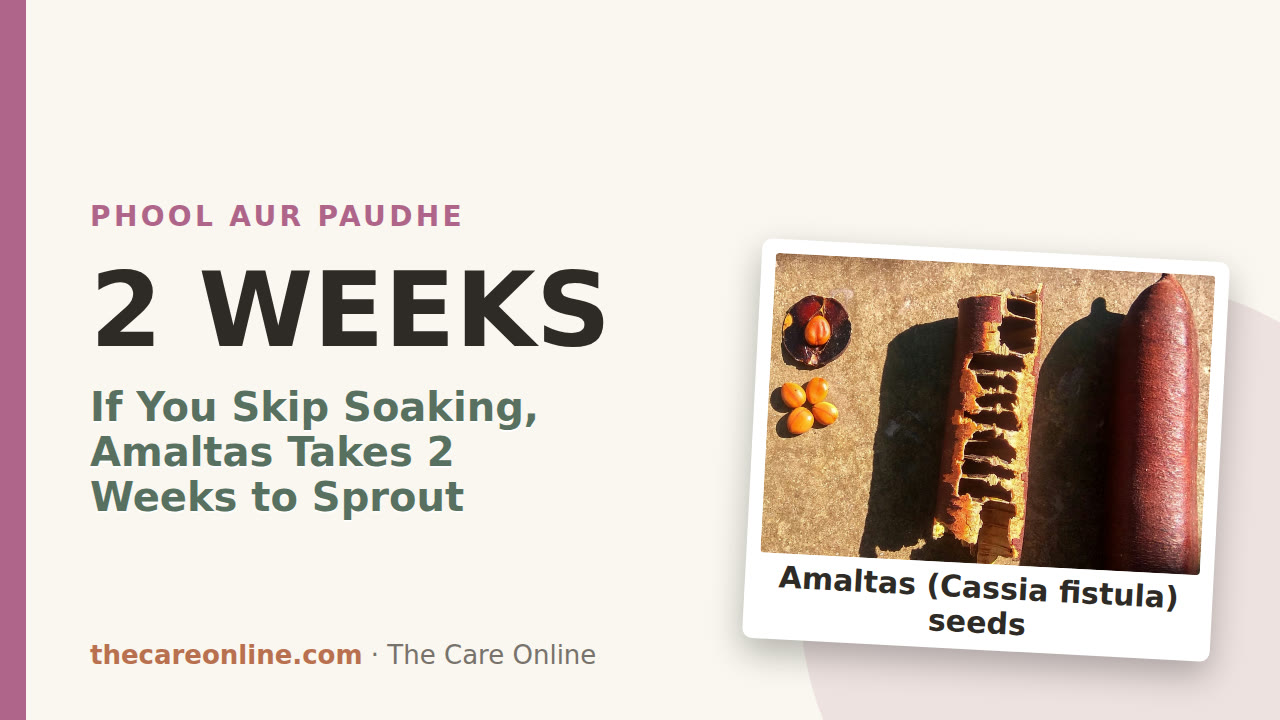
How to Grow Amaltas Tree (Golden Shower): Seed, Roots, Care
 Flowers & Plants
How to Grow Gulmohar Tree: Space, Roots, Seed and Storm Pruning
 Flowers & Plants