Chrysanthemum (Guldaudi) in Pots: Cuttings, Pinching, Bloom (Video)
Read the full written guide: Chrysanthemum (Guldaudi) in Pots: Cuttings, Pinching, Bloom →
How to grow chrysanthemum in pots Chrysanthemum cutting and pinching guide Learn how to grow vibrant guldaudi (chrysanthemum) in containers, from taking spring cuttings to the seasonal pinching routine that ensures a burst of colour in winter. We'll walk you through choosing the right pot size, preparing the soil mix, and timing the cuttings for maximum root development. Discover why pinching back the stems at the right stage prevents legginess and promotes dense blooms, and how to space the plants for optimal airflow. The video also covers watering schedules, fertiliser tips, and common pests you might encounter in a home garden. By following these steps, you can enjoy a thriving chrysanthemum display without the disappointment of sparse or late‑season flowers. If this is persistent or affecting your daily life, see a doctor.
Show the full transcript
Transcript
Did you know you can start chrysanthemum in March and bloom by November?
Did you know you can start chrysanthemum in March and bloom by November?
Grow Chrysanthemum at Home
In this video you'll learn how to start chrysanthemum from a simple cutting in spring, what the seasonal pinching routine looks like, and the exact pot size that gives you a burst of colour when the days grow short. Stick around for the one timing trick that makes all the difference.
Yearly Calendar
Here's the thing: in the plains you start by taking soft green tips in March or April, then you give the plant a gentle pinch every few weeks through May and June, keep pinching until late August, and finally the shortening days of November and December coax the big blossoms out.
Rooting Cuttings
Now, the part most people miss is how to get that cutting to root. In March or April snip a 7 to 10 cm soft green tip, strip the lower leaves, tuck it 2 to 3 cm deep into a mix of coarse sand and a bit of cocopeat, then keep it in bright shade, misting daily and covering with a clear bag on hot days.
Cutting tip length
The number you see here isn’t random; a 7 to 10 cm tip gives enough leaf nodes to develop roots without wasting energy on excess foliage. Plant it just a couple of centimeters deep, and you’ll see a healthy root system forming in a week or two, ready for the summer pinches.
Potting Mix & Feeding
What surprised me is how simple the soil recipe is: two parts regular potting soil, one part compost or leaf mould, and one part coarse sand. Good drainage prevents rot, and feeding with compost every few weeks keeps the plant vigorous. As September rolls in swap to a feed higher in phosphorus and potassium and cut back on nitrogen, so the buds can form nicely.
Peak summer temp
In places like Multan the thermometer can climb to 45 °C in April and May, so the plant needs a daily drink when the top two to three centimeters of soil feel dry. Move the pots to a shaded spot in the afternoon to avoid scorching, and you’ll keep the leaves happy until the pinching season ends.
Disbud for big blooms
When the buds appear in October, each stem carries a big central bud surrounded by tiny side buds. If you want a single showy flower per stem, just rub off those side buds with your thumbnail, you’ll end up with one impressive bloom. Or leave them all for a fluffy cushion of smaller flowers; the choice is yours.
The one timing tip
And this is where it gets interesting: the single timing trick that decides whether you get a handful of modest flowers or a spectacular display is the pinching schedule. Start pinching in May, repeat every two weeks, and make sure you finish the last pinch by the end of August. That steady pruning forces the plant to set more flower buds before the short days arrive.
Like, subscribe and comment
Like, subscribe, and share your own experience in the comments below.
Read the full guide
Read the complete guide on thecareonline.com. This is general information, not medical advice.
More videos
 Flowers & Plants
How to Grow Tecoma (Yellow Bells) From Cuttings, and Prune It
 Flowers & Plants
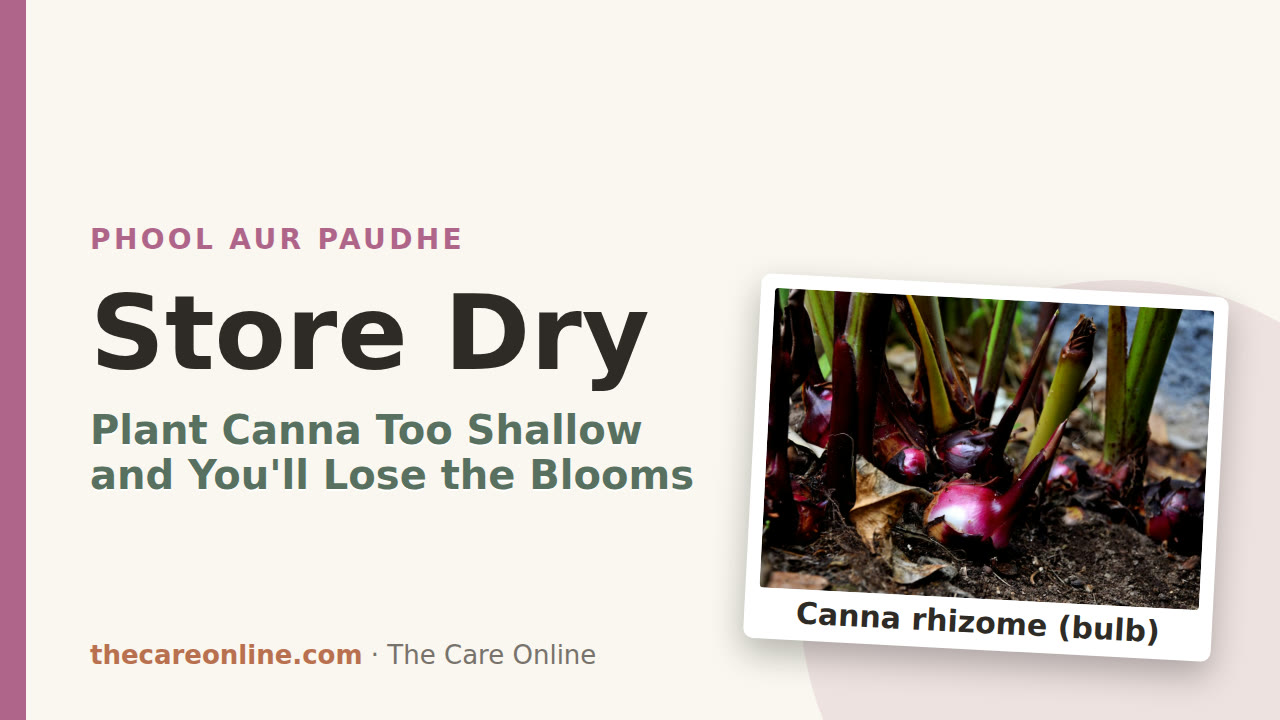
How to Grow Canna: Planting Depth, Pots, Dividing and Storing
 Flowers & Plants
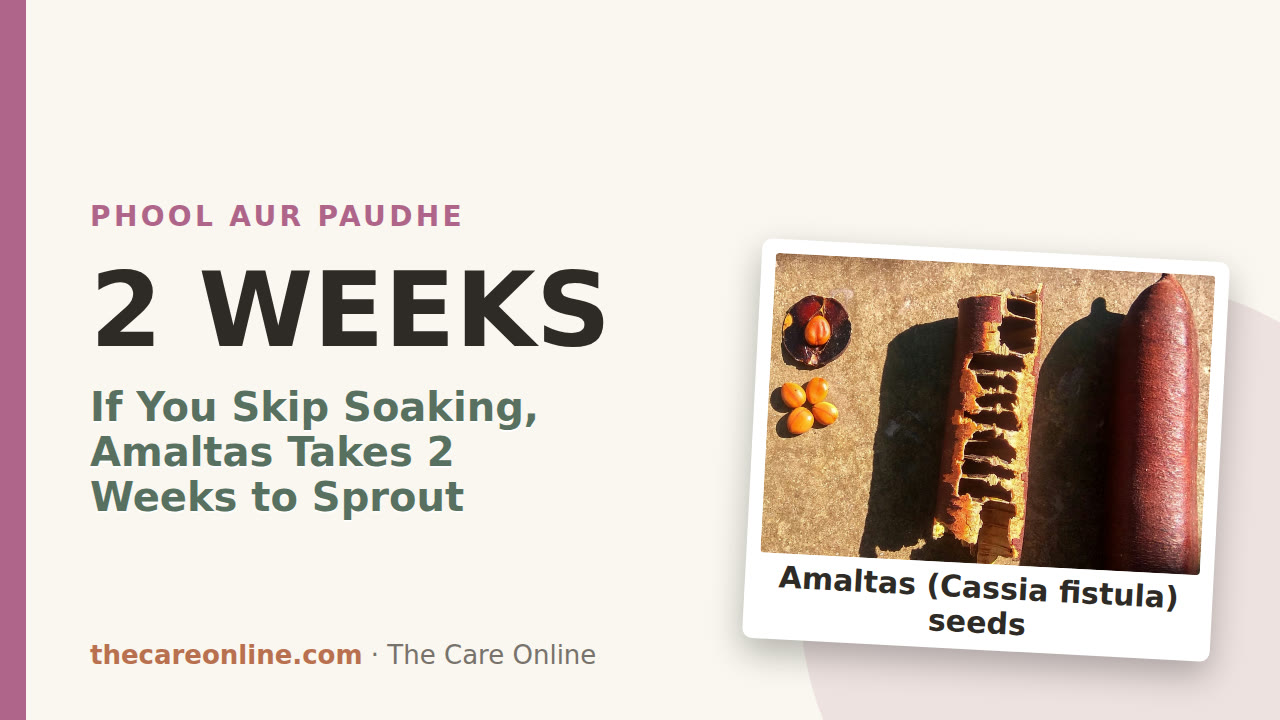
How to Grow Amaltas Tree (Golden Shower): Seed, Roots, Care
 Flowers & Plants
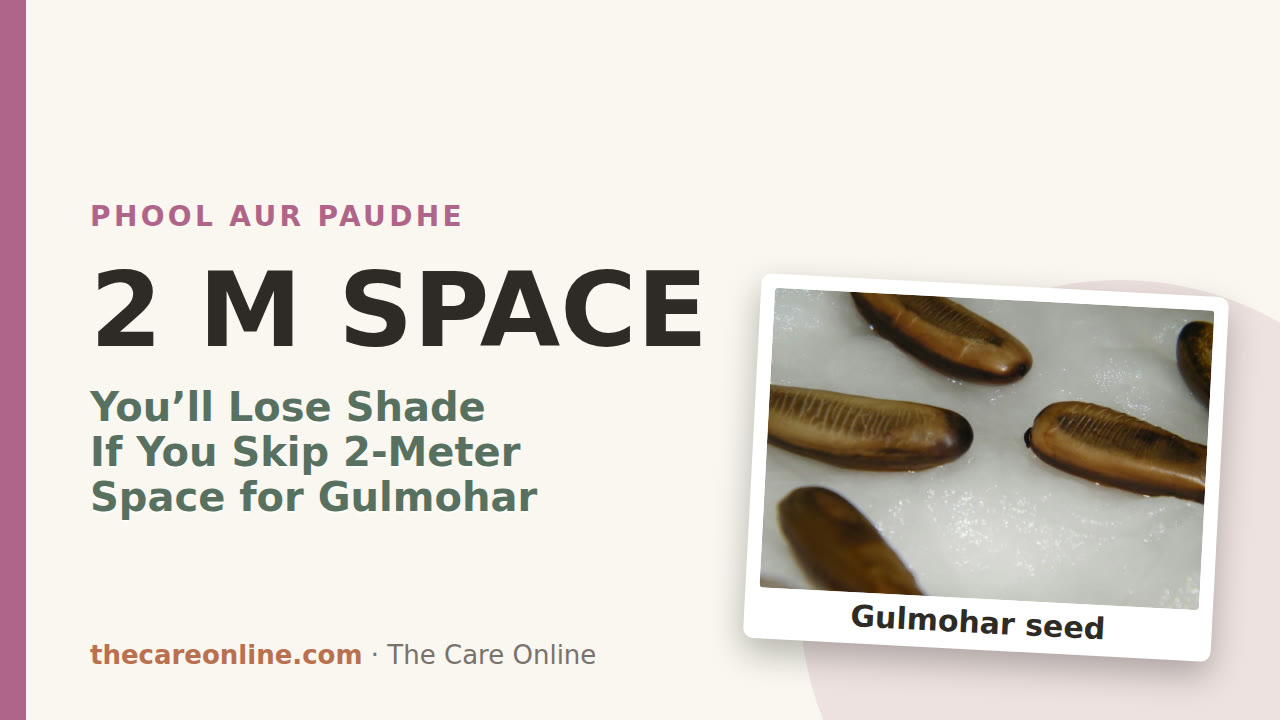
How to Grow Gulmohar Tree: Space, Roots, Seed and Storm Pruning
 Flowers & Plants
How to Grow Sukh Chain Tree (Pongamia): A Native Shade Pick
 Flowers & Plants