How to Grow Bougainvillea at Home: Cuttings and More Flowers (Video)
Read the full written guide: How to Grow Bougainvillea at Home: Cuttings and More Flowers →
how to get bougainvillea to flower bougainvillea not blooming tips Bougainvillea thrives on bright sunlight, well‑draining soil, and careful watering. Too much shade or soggy roots keep it green but flowerless. Aim for at least six hours of direct sun daily, and water only when the top inch of soil feels dry. Choose a pot with drainage holes and a mix of potting soil plus coarse sand or perlite. Prune after each bloom cycle to shape the plant and encourage new shoots. For faster flowering, take a 6‑inch cutting, remove lower leaves, dip the stem in rooting hormone, and plant in the same well‑draining mix. With these steps, you’ll see pink bracts appear within weeks. If this is persistent or affecting your daily life, see a doctor.
Show the full transcript
Transcript
Six hours of sun, does that really matter?
Six hours of sun, does that really matter?
Bougainvillea Basics
Ever wondered why your bougainvillea stays green and never bursts into those pink bracts? Stick around, because by the end I’ll spill the single trick that turns a shy green bush into a summer fireworks display. You’ll see how a tiny change in watering and sunlight can make all the difference.
Why no flowers?
Here’s the thing: too much shade keeps the plant sending out long green shoots, not those colorful bracts. Overwatering gives you lush, yellowing leaves but no colour, and excess nitrogen fuels big dark foliage instead of blooms. And a pot that’s way too big lets the roots sprawl, leaving leaf-only tops. Move it to the sunniest spot, water only when top two inches are dry, and use a low-nitrogen feed.
Sunlight needed
Bougainvillea thrives on at least six hours of direct sunlight each day. Anything less and the plant stays in leaf-only mode, postponing those bright bracts. So when you see a dull, green bush, check its sun exposure first. A south-facing window or a rooftop railing works wonders.
Propagate from cuttings
Now, let’s talk propagation. The easiest way is hardwood stem cuttings taken in March or during the monsoon. Choose pencil-thick, semi-hard stems about six to eight inches long, each with four or five nodes. Strip all but the top two leaves, dip the base in rooting hormone if you have it, then plant two thirds into a half-sand, half-cocopeat mix.
Cutting length
The sweet spot for a cutting is six to eight inches long, with four or five nodes along the stem. That size balances enough stored energy to sprout roots without being too bulky to handle. Most gardeners find success with this length, especially in warm, humid conditions.
Pot, mix & watering
Choose a 12- to 16-inch container with big drainage holes, and fill it with a gritty mix, two parts garden soil, one part coarse sand or brick chips, and one part compost. Water deeply only when the top two inches feel dry, and in summer heat you may need to water every other day. In monsoon, you can often skip watering altogether, just keep the saucer empty.
Prune after flush
Pruning is the secret sauce for constant colour. After a flush fades, cut each flowering shoot back by a third to half its length. New shoots will sprout from below the cut, and that’s where the next burst of bracts comes from. On the plains, a firm prune in late February and a lighter one after each summer flush keeps the bush compact and blooming.
Like, subscribe and comment
Useful? Like and subscribe, and tell us in the comments what we should check next.
Read the full guide
Read the complete guide on thecareonline.com. This is general information, not medical advice.
More videos
 Flowers & Plants
How to Grow Tecoma (Yellow Bells) From Cuttings, and Prune It
 Flowers & Plants
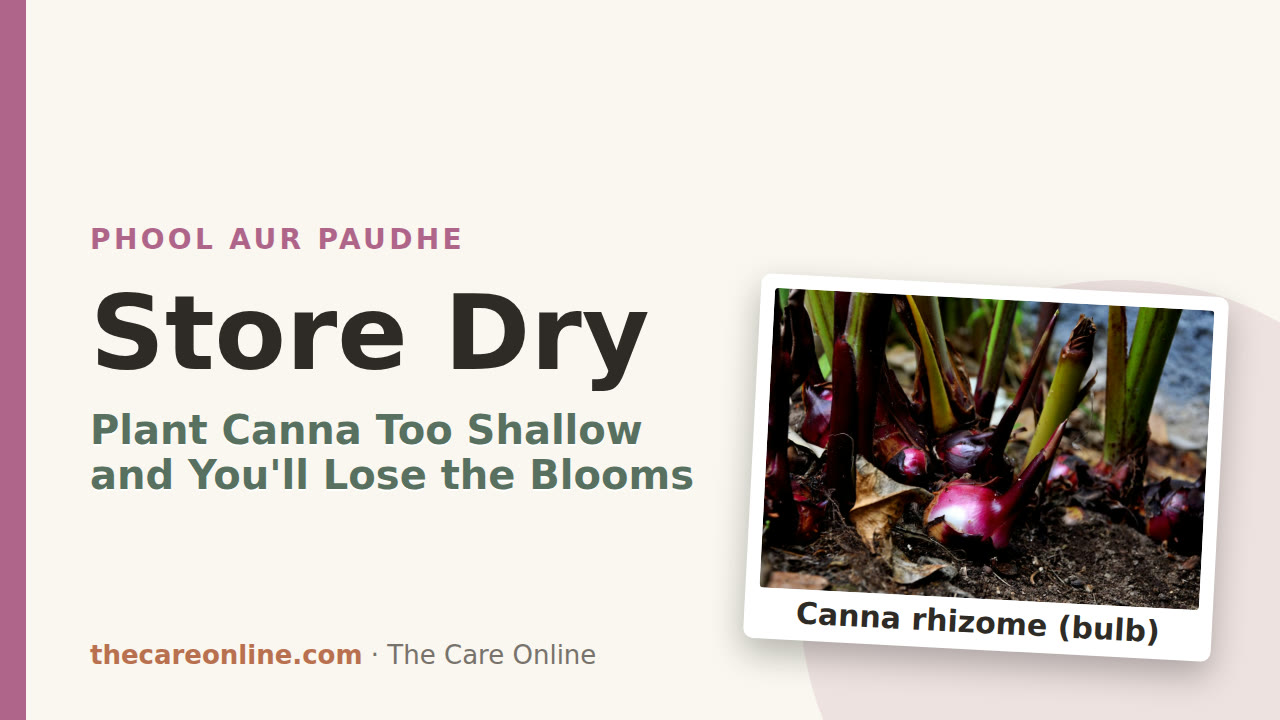
How to Grow Canna: Planting Depth, Pots, Dividing and Storing
 Flowers & Plants
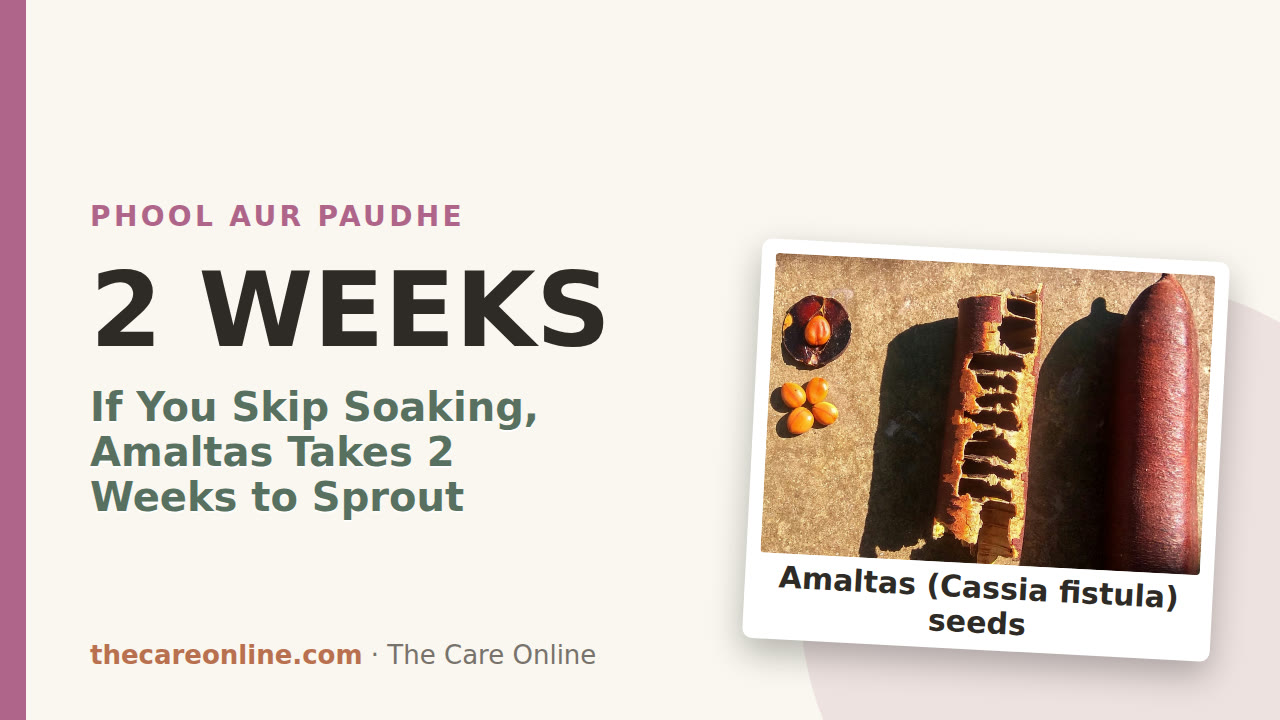
How to Grow Amaltas Tree (Golden Shower): Seed, Roots, Care
 Flowers & Plants
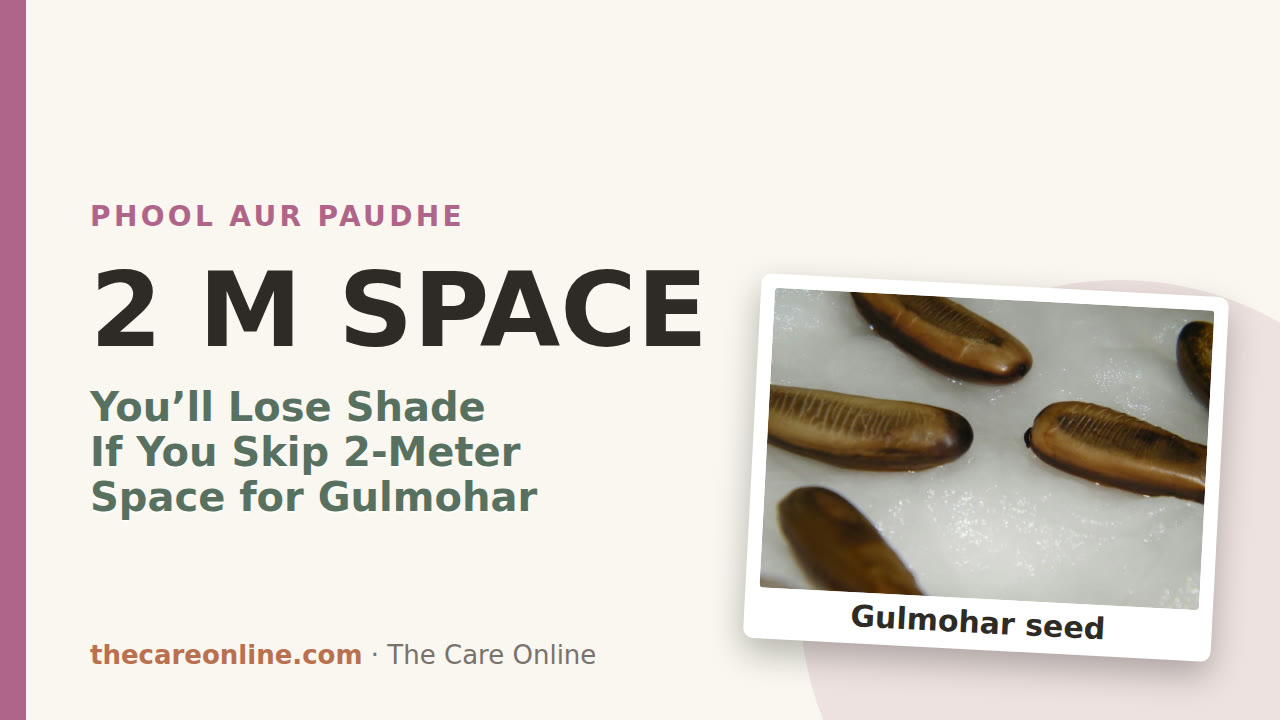
How to Grow Gulmohar Tree: Space, Roots, Seed and Storm Pruning
 Flowers & Plants
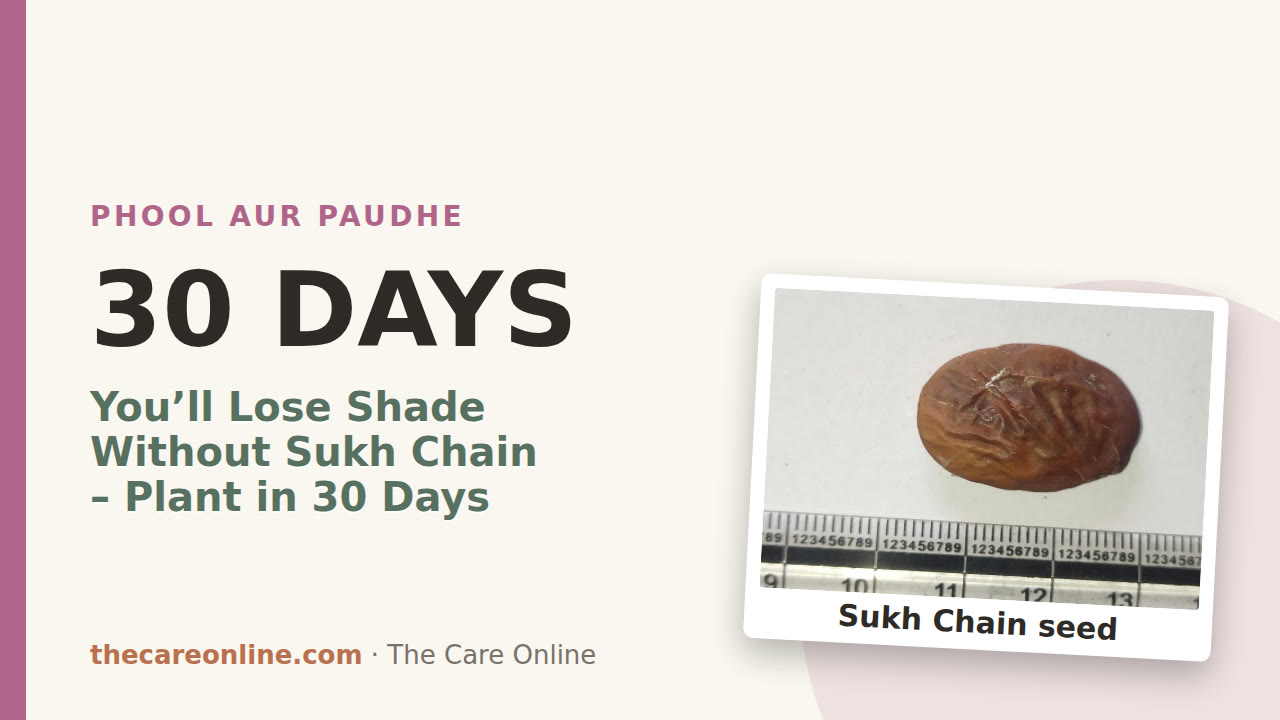
How to Grow Sukh Chain Tree (Pongamia): A Native Shade Pick
 Flowers & Plants