How to Grow Bottlebrush Tree: Cuttings, Pruning and Soil Fixes (Video)
Read the full written guide: How to Grow Bottlebrush Tree: Cuttings, Pruning and Soil Fixes →
How to grow bottlebrush tree from cuttings Why is my bottlebrush not blooming?
Bottlebrush trees bring sunbirds to city gardens, but two common mistakes can ruin them. This video walks you through growing bottlebrush from cuttings and seed, planting in the right spot, and caring for the soil. You'll also see the one pruning cut that stops flowers from forming, and how to avoid it so your tree stays full of red blooms every season. Whether you're in Pakistan, India, or the diaspora, these fixes work in real garden conditions.
If this is persistent or affecting your daily life, see a doctor.
Show the full transcript
Transcript
What kills most young bottlebrushes? One wrong pruning cut.
What kills most young bottlebrushes? One wrong pruning cut.
Grow Bottlebrush Without Killing It
Here's the short, honest answer, and one tip most people miss.
Will It Grow Where You Live?
Here's the thing, bottlebrush is tough, but it has opinions about your soil. In Lahore, Faisalabad, or Delhi, soil leans alkaline, so dig in compost. In Islamabad or Peshawar, mature plants handle frost, but shelter young ones. Multan and Bahawalpur? Once rooted, it laughs at heat, water deeply the first summers. In Karachi, it copes with humidity and wind, but avoid salty spots.
Keep it 2, 3 m from walls
Now, the part most people miss. Bottlebrush is a small tree, so it's generally safe near the house. But the RHS says risk rises with tree size, thirsty species, clay soil, leaking drains. Keep it two to three metres from your house wall. For a boundary hedge, one metre in is fine. Keep drains clear by two metres, fix leaking joints before planting.
Grow From Cuttings
Bottlebrushes hybridise easily, so seedlings might not look like the parent. Cuttings from semi-mature wood keep the parent's exact form. After the monsoon, cut ten to fifteen centimetre pieces of this season's firm growth. Strip lower leaves, trim top leaves by half. Dip in rooting powder, insert into half sand, half cocopeat. Cover with a clear bag, keep in shade, mist when dry.
Grow From Seed
Growing from seed is easier than you'd think. Pick hard, woody seed capsules from old stems, they can stay closed for years. Keep them in a paper bag in a warm, dry place until tiny seeds fall out. Sprinkle on a free-draining seed mix in spring or summer, press lightly. Water from below, keep in bright shade. Seedlings are easy, but may take a few years to flower.
When and How to Plant
Planting is straightforward. Aim for February to April, or July to September. Dig a pit about forty-five to sixty centimetres wide and deep. Mix soil with a third compost, plant at bag depth, water well, mulch. For pots, use at least a forty-litre pot, about eighteen inches, with two parts soil, one part compost, one part sand. Proportions matter, like good roti dough.
The Pruning Cut That Keeps It Bushy
This is where most people go wrong. As each flush of brushes fades, cut below the spent brush, into the leafy stem. The Australian National Botanic Gardens calls this the preferred option. It keeps the plant dense, stops woody capsules piling up. But never cut back into bare, leafless wood on a young plant. It may not resprout. Skip pruning before winter in Islamabad and Peshawar, frost can damage new growth.
How Fast, How Tall?
How fast does it grow? Moderately fast once rooted. A healthy nursery plant usually flowers within a year or two, fills out in a few seasons. Most garden bottlebrushes stay under two storeys high. Weeping types grow taller and wider if left alone. For a modest front lawn, this tree won't take over your life.
Care for the First Two Years
The first two years set the tone. Water twice a week in the first summer, weekly in spring and autumn, every two weeks in winter. Pots need daily watering in intense heat. Feed compost in spring, light balanced feed if growth seems weak. Heavy feeding gives leaves instead of flowers. Mulch keeps moisture in. Want a small tree? Pick one strong stem, remove low side shoots.
Common Problems and Fixes
Yellow leaves with green veins? Alkaline soil locking up iron. Add compost and mulch, avoid ash and lime. No flowers? Usually shade or heavy pruning. More sun, prune only after flowering. White fluffy insects on stems? Mealybugs or scale. Scrape or hose off, mild soap spray works. Bare base, top-heavy? That's from tipping pruning when young. Prune behind each flower flush instead.
Worth Checking First
One quick safety note. Bottlebrush isn't on usual lists of poisonous plants, but no ornamental is a snack for kids or pets. Teach them not to chew leaves or seed capsules. Flowers draw bees, so keep it away from doorways if anyone has a bee sting allergy. If you spray anything beyond soap and water, read the label, wear gloves, keep children off until dry.
The one mistake to avoid
So here it is, the one mistake that undoes all your hard work. Never cut back into bare, leafless wood on a young bottlebrush. It may not resprout, leaving a naked skeleton. Instead, prune just behind the finished flowers, into the leafy stem. That keeps the plant dense, bushy, full of life. The difference between thriving and a cautionary tale.
Like, subscribe and comment
Useful? Like and subscribe, and tell us in the comments what we should check next.
Read the full guide
The full guide is on thecareonline.com. General information only, so check with your doctor for your own case.
More videos
 Flowers & Plants
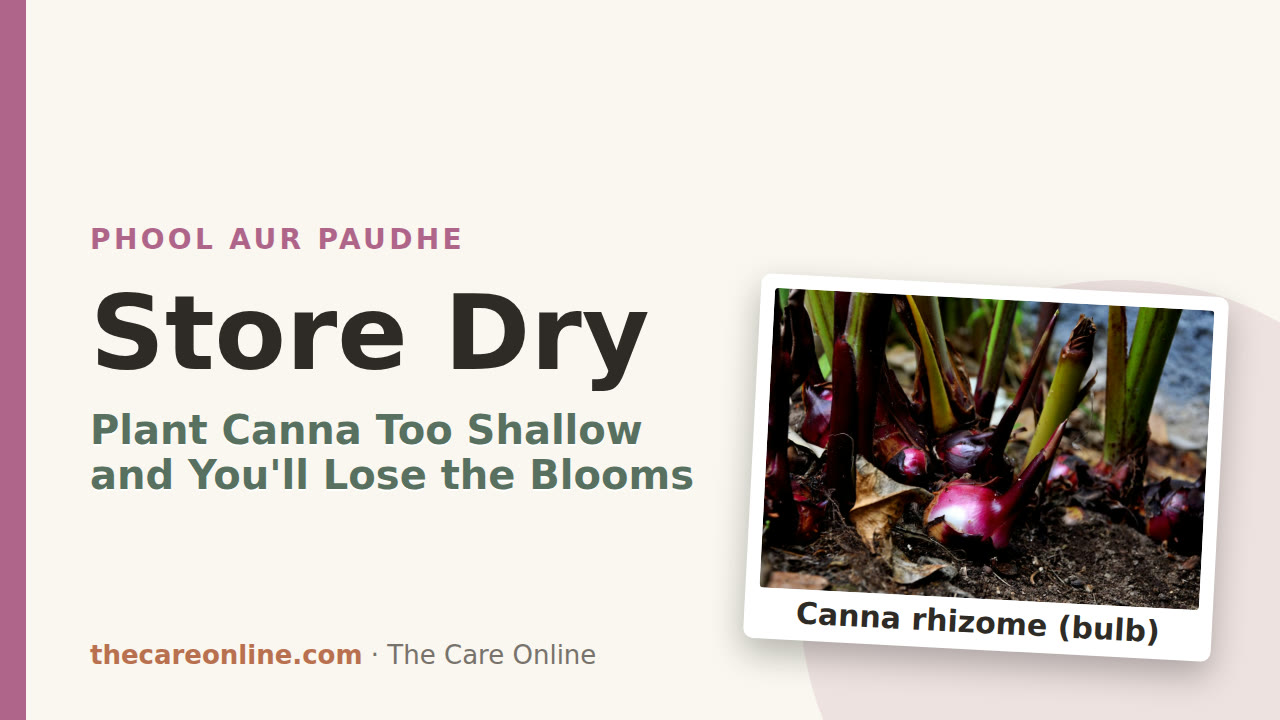
How to Grow Canna: Planting Depth, Pots, Dividing and Storing
 Flowers & Plants
How to Grow Tecoma (Yellow Bells) From Cuttings, and Prune It
 Flowers & Plants
Lawn Grass Types in Pakistan: Korean vs Bermuda vs Dichondra
 Flowers & Plants
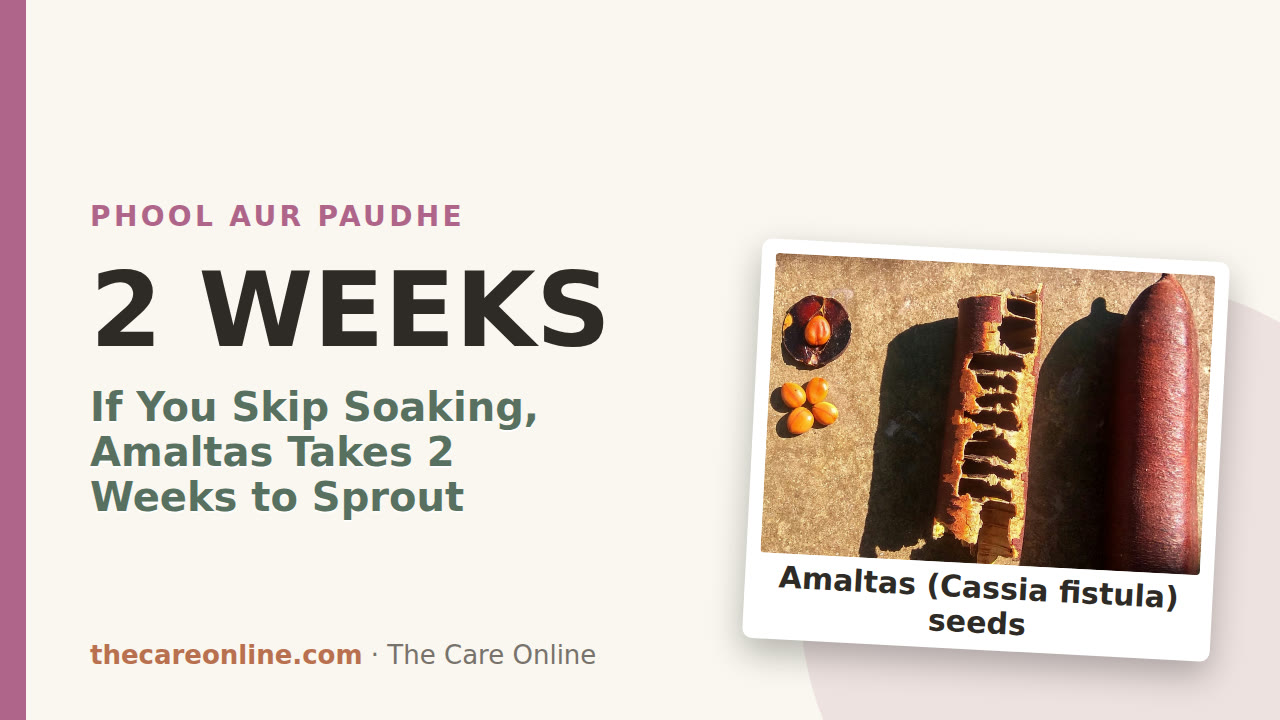
How to Grow Amaltas Tree (Golden Shower): Seed, Roots, Care
 Flowers & Plants
How to Grow Gulmohar Tree: Space, Roots, Seed and Storm Pruning
 Flowers & Plants