How to Grow Begonia Indoors: Rex vs Flowering, Leaf Cuttings (Video)
Read the full written guide: How to Grow Begonia Indoors: Rex vs Flowering, Leaf Cuttings →
how to grow indoor begonia begonia leaf mildew prevention Keeping a begonia healthy indoors can feel tricky, but the key factors are light, watering, humidity, and proper soil. In this video we walk through the differences between Rex and flowering varieties, show how to spot early signs of leaf mildew, and share a simple method to stop it without over‑wetting the plant. Learn the right watering schedule, the best soil mix, and how to take leaf cuttings for new plants. These steps help you keep vibrant foliage and avoid common problems that many indoor gardeners face. If this is persistent or affecting your daily life, see a doctor.
Show the full transcript
Transcript
Why do indoor begonia leaves turn brown?
Why do indoor begonia leaves turn brown?
Begonia Basics
Welcome! If you’ve ever struggled with brown spots or wilted leaves on your indoor begonia, stick around. I’m going to walk you through the basics, light, water, soil, and propagation, so you can keep those colorful leaves thriving. And at the end, I’ll share the one simple trick that stops leaf mildew for good.
Identify Your Begonia
First, figure out which type you have. Rex begonias are all about striking, patterned foliage and love bright shade. Wax or bedding varieties give you small, year-round flowers and tolerate a bit of morning sun. Angel-wing canes sport spotted leaves and hanging blooms, while tuberous types boast big, showy flowers. Knowing the group guides every care decision.
Window Light Tips
Next, think about where you place the pot. An east-facing window gives soft morning light that works for all types, while a north window keeps the rich colors of rex foliage safe from harsh sun. Avoid west-facing glass from April to September, and pull south-facing pots back from the glass in summer to prevent leaf scorching.
Rooting tuberous cuttings
Here’s a number that many forget: tuberous begonia cuttings typically need about five weeks of mild, shaded conditions to develop roots. That’s longer than most houseplants, so patience is key. Keep the mix barely damp and protect the cuttings from direct sun, and you’ll see new growth after that period.
Water & Humidity
Watering right makes a big difference. Let the top inch of soil dry, then water slowly at the base until a little drains, and always empty the saucer. Roots rot fast in soggy mix, and stems turn translucent at the soil line. To raise humidity without wetting leaves, set the pot on a pebble tray with water just below the pebbles, moisture evaporates around the plant while the pot stays dry.
Soil & Feeding
The right mix keeps roots breathing. Aim for a light, airy blend: two parts potting soil, one part cocopeat or leaf mould, and one part perlite. Heavy clay holds too much moisture and can rot fine roots. Use shallow pots, and feed flowering types with half-strength liquid fertilizer every two to three weeks during bloom, while rex varieties need just a monthly half-strength feed in warm months.
Leaf Cutting Propagation
Propagating rex begonias from leaf cuttings is easy. In spring or early autumn, snip a healthy leaf with about an inch of stalk. Make small cuts across the main veins an inch apart, then lay the leaf face-up on damp cocopeat and perlite in a shallow tray. Pin it flat with a stone so the cut veins touch the mix, and keep it in bright indirect light.
The one trick
Now for the single tip that makes a huge difference: raise humidity without ever wetting the leaves. Set your pot on a shallow tray filled with pebbles and just enough water to reach the top of the stones. As the water evaporates, the air around the plant stays moist, keeping powdery mildew at bay and leaves vibrant.
Like, subscribe and comment
If this helped, a like and a subscribe really help. Drop your question in the comments.
Read the full guide
Read the complete guide on thecareonline.com. This is general information, not medical advice.
More videos
 Flowers & Plants
How to Grow Tecoma (Yellow Bells) From Cuttings, and Prune It
 Flowers & Plants
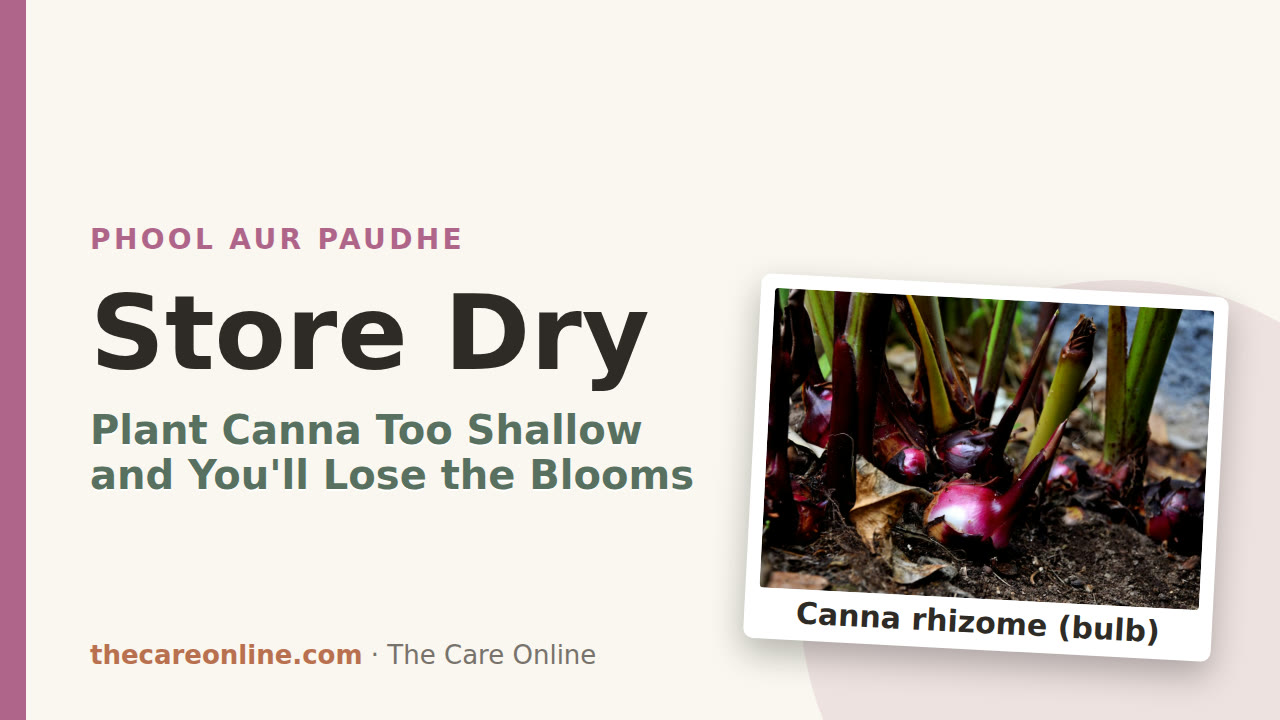
How to Grow Canna: Planting Depth, Pots, Dividing and Storing
 Flowers & Plants
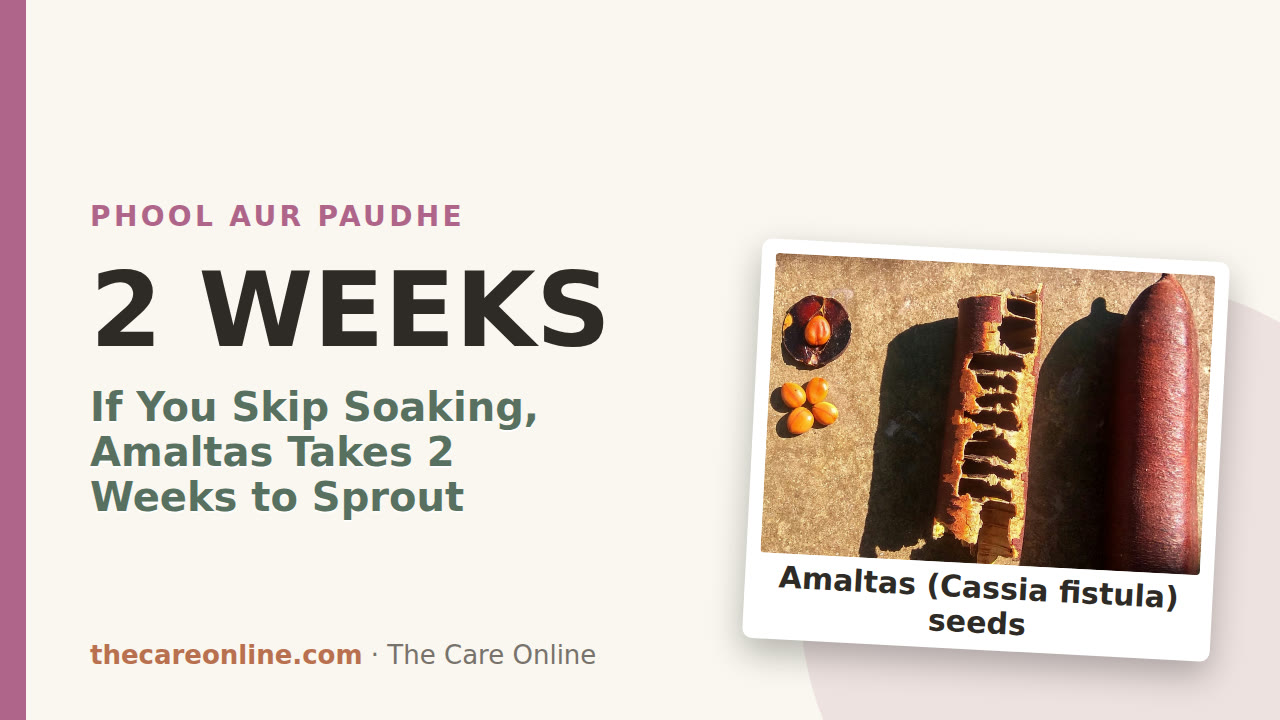
How to Grow Amaltas Tree (Golden Shower): Seed, Roots, Care
 Flowers & Plants
How to Grow Gulmohar Tree: Space, Roots, Seed and Storm Pruning
 Flowers & Plants
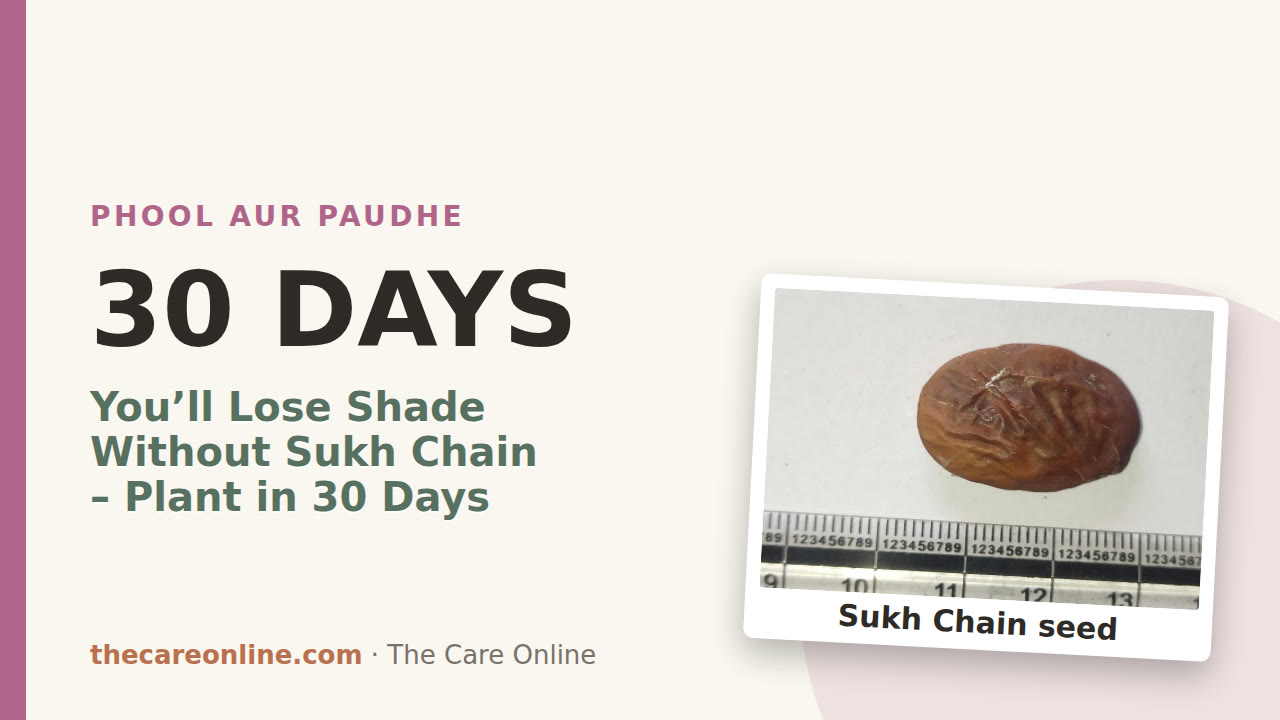
How to Grow Sukh Chain Tree (Pongamia): A Native Shade Pick
 Flowers & Plants