How to Grow Balsam (Gul Mehndi) From Seed in Monsoon Pots (Video)
Read the full written guide: How to Grow Balsam (Gul Mehndi) From Seed in Monsoon Pots →
Learn how to grow balsam (Gul Mehndi) from seed in monsoon pots, step by step. From the right sowing time for your region to caring for the plants through the rainy season, this guide covers everything a beginner needs.
Plus, the one trick to catch the exploding seed pods before they scatter across your roof, so you can grow these cheerful flowers every year without buying new seed. Practical, friendly, and rooted in real gardening experience.
Show the full transcript
Transcript
Ever had balsam pods explode in your hand? There's a trick.
Ever had balsam pods explode in your hand? There's a trick.
Grow Balsam in Monsoon Pots
Stay for the one trick to catch balsam's exploding seed pods.
Sow When the Rain Comes
Here's the thing about balsam. It's the classic barsaat flower. It wants warm soil and humid air, and the scorching dry weeks before the monsoon will wilt young seedlings faster than you can water them. Sowing in April in Multan is a common mistake; the plants survive, barely, then sulk all summer. In the Punjab plains, aim for June to July. In Karachi, March works too. Match your sowing to when the rain arrives.
Flowers in Two Months
And here's what surprised me. Most varieties start flowering roughly two months after sowing. Two months. You sow in June, and by August you've got those cheerful pink and white blooms. That's fast for a flower garden. It means even a slightly late start in early July still gives you flowers before autumn cools down. Not bad for a packet of seeds that costs less than a cup of chai.
Sowing Step by Step
Now, the actual sowing. Fill a tray or small pots with a light mix, one part garden soil, one part compost, one part cocopeat or fine sand. Water it first so it's evenly damp, not muddy. Then press the seeds about five millimetres deep, three to five centimetres apart, and sprinkle a pinch of mix over them. Keep them in bright shade, and in warm weather you'll see seedlings within about a week.
Seed or Nursery Seedlings?
Should you buy seedlings instead? For a beginner, seed wins, honestly. Balsam germinates quickly and reliably, and a packet gives you dozens of plants for the price of two nursery pots. Buy seedlings only if you're starting after mid-August, when sown seed would barely flower before the cold. And if you do buy seedlings, pick short, stocky ones with no buds yet. Plants already flowering in tiny bags often stall after transplanting.
Sun, Water, and Pots
Care is pretty simple. Four to six hours of sun gives the most flowers, and an east-facing balcony is close to perfect. On a west roof in the Punjab, give them afternoon shade or the leaves droop and scorch. Balsam has soft, juicy stems and hates drying out. Water when the top two centimetres feels dry, which in hot spells can mean every day for small pots. During monsoon downpours, tip out the saucers.
Why No Flowers?
If your balsam isn't flowering, check the usual suspects. Too little sun gives you tall, thin stems and no buds. Move it to a sunnier spot. Too much nitrogen gives lush leaves but few flowers, so lay off the urea or rich manure tea. Sown too late? After mid-August in the Punjab, cool nights arrive before it matures. And if it's pot-bound or repeatedly wilting, that stops bud formation too.
Pests and Diseases
Pests and problems? Mites show up in hot dry weather. You'll see fine speckling and webbing under the leaves. Just spray the undersides with plain water every morning for a week. Aphids on new tips? Wipe or hose them off, then a mild soap solution. In wet weeks, stems may blacken and collapse at soil level. That's rot, so remove that plant and let the pot dry more between waterings. And snails love young seedlings on monsoon nights.
One Season Wonder
Is balsam annual or perennial? It's an annual, through and through. It grows, flowers, sets seed, and dies within one season, and frost kills it outright. In Karachi, a plant might limp into winter, but it's not worth keeping. The real skill is saving seeds and starting fresh next monsoon. That's the secret to having balsam every year without buying new packets.
A Few Safety Notes
One thing to be careful about. Balsam leaves are mildly poisonous if eaten raw in quantity, so teach kids to pop the pods and leave the leaves alone. The exploding pods can flick seed into eyes, so let kids hold the bag, not their face, near the pod. And garden balsam isn't the mehndi dye plant despite the name. Don't put its leaves on skin as henna. If a child or pet seems unwell, call a doctor or vet.
The One Trick to Save Seeds
Now, the one trick I promised. Ripe balsam pods turn from green to yellowish and swell. Touch one and it splits, curls, and flings the seeds across your roof. So slip a small paper bag over a plump, yellowing pod, close it gently around the stem, and squeeze through the bag. The seeds land inside. Spread them on paper in shade for a week, store in a labelled paper envelope in a closed jar in a cool cupboard until next June.
Like, subscribe and comment
Like, subscribe, and share your own experience in the comments below.
Read the full guide
The full guide is on thecareonline.com. General information only, so check with your doctor for your own case.
More videos
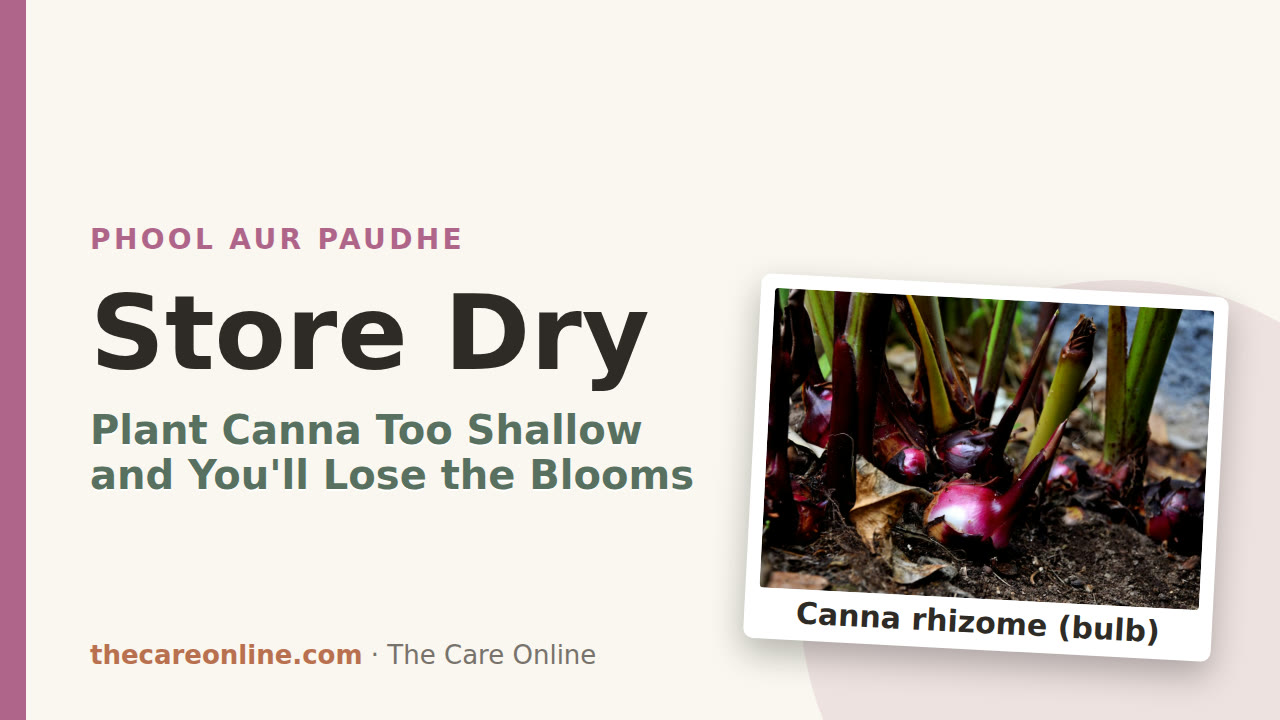 Flowers & Plants
How to Grow Canna: Planting Depth, Pots, Dividing and Storing
 Flowers & Plants
How to Grow Tecoma (Yellow Bells) From Cuttings, and Prune It
 Flowers & Plants
Lawn Grass Types in Pakistan: Korean vs Bermuda vs Dichondra
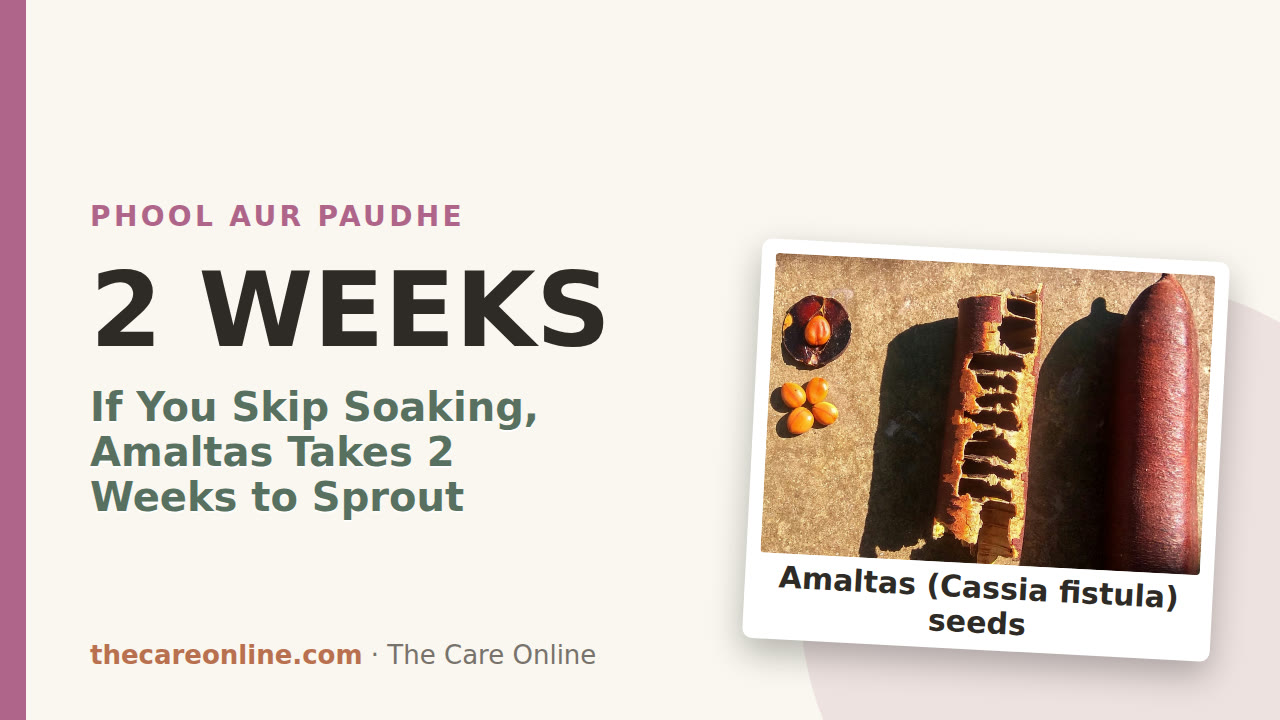 Flowers & Plants
How to Grow Amaltas Tree (Golden Shower): Seed, Roots, Care
 Flowers & Plants
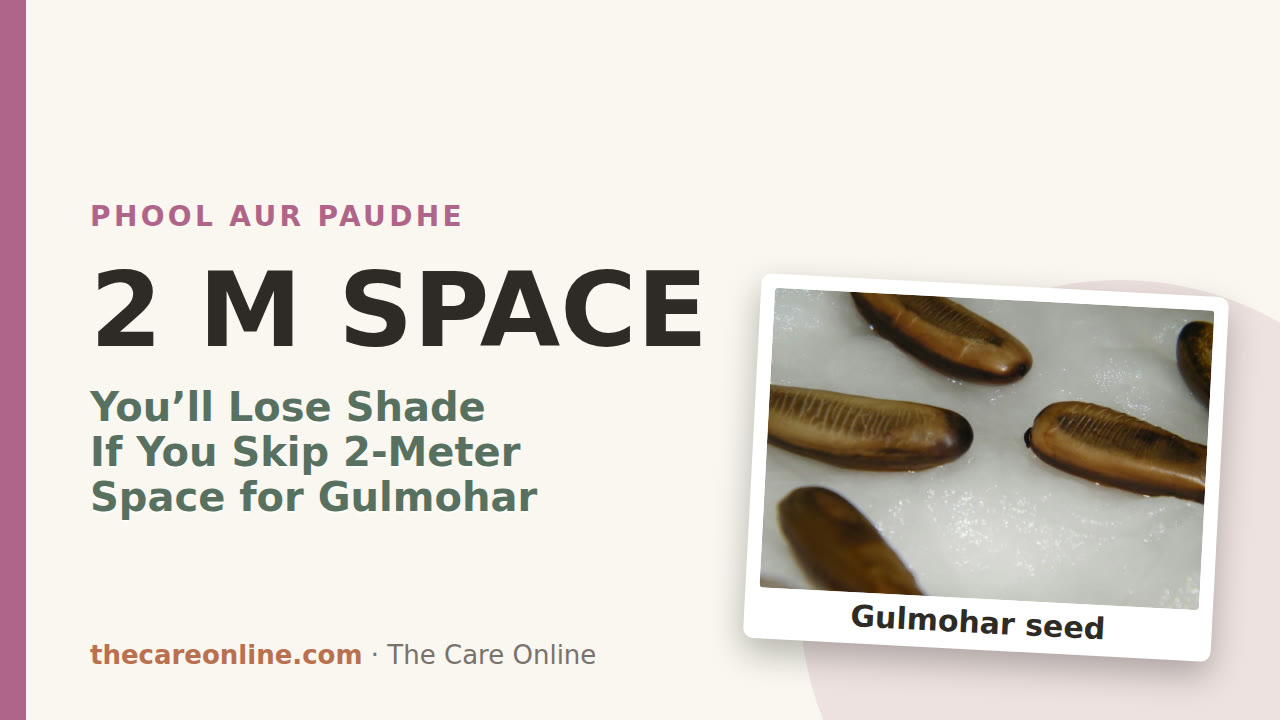
How to Grow Gulmohar Tree: Space, Roots, Seed and Storm Pruning
 Flowers & Plants