How to Grow Alocasia (Elephant Ear) Indoors: Window, Water, Corms (Video)
Read the full written guide: How to Grow Alocasia (Elephant Ear) Indoors: Window, Water, Corms →
This video breaks down alocasia (elephant ear) care indoors: light, watering, soil, winter dormancy, propagation, and troubleshooting. Plus the big warning: alocasia is not arvi, and every part is poisonous. You'll learn which window works best, how to test light with your hand, and the one winter mistake that kills most plants.
Whether you're growing Polly, Zebrina, or odora, this practical guide covers it in plain language. We also cover how to propagate from corms, what yellow leaves mean, and how to keep kids and pets safe. For the full written version with sources, read the complete post on thecareonline.com.
Show the full transcript
Transcript
Did you know alocasia looks like arvi but is poisonous?
Did you know alocasia looks like arvi but is poisonous?
Alocasia Indoors
Stay for the one winter mistake that kills more alocasias than anything else.
Three things alocasia needs
Here's the thing about alocasia indoors. Three things matter: bright light without direct midday sun, soil that's moist but never soggy, and warmth. That means a spot a metre or two back from an east window, watering when the top few centimetres dry. Expect it to sulk in winter. But one hard rule: alocasia looks like arvi, but it's not food. All parts are poisonous.
Arvi or alocasia?
Now, the part most people miss. Arvi, or taro, is a food crop, eaten after careful cooking. Alocasia is a related ornamental, and the University of Florida lists all parts as toxic, with crystals that burn your mouth and throat. The two look alike in a nursery, both sold as 'elephant ear'. So never cook a plant from a flower nursery.
Hand test for right light
Which window in a Pakistani flat? East is best, gentle morning sun, bright all day. North works too, just slower. South can work in winter, but keep it back in summer. West needs a sheer curtain. Simple test: hold your hand thirty centimetres above a leaf at noon. Soft, fuzzy shadow? Perfect. Sharp and dark? Too much sun. Barely any shadow? Too little.
Chunky airy soil mix
Roots need air as much as water. Mix roughly two parts potting soil, one part cocopeat, one part perlite or coarse sand, and a handful of small bark or brick chips. Use a pot with a drainage hole, five to fifteen litres. Think of it like a good biryani, layers that breathe, not a dense lump. Avoid dense garden soil alone; it stays wet and rots the corm.
Summer heat means water more
In summer, when it hits forty degrees, alocasia dries out fast, especially in air conditioned rooms. Water every two to three days. In monsoon, humid air slows drying, so water less often. And in winter, cold flats slow everything down: water every week to ten days, sometimes less. Cold, wet soil is the main way alocasia dies.
Don't panic at winter
Here's what surprises most people. From December, alocasia often drops leaves one by one, and may go down to a single leaf or none. Many people throw it out. Instead, check the corm: if it's firm, it's resting, not dying. Cut watering right back, keep it somewhere above room cold, and wait. New leaves usually push up in March or April. Patience, basically.
Propagate from corms
Want more alocasias? It makes small corms around the main root, and clumps send up side plants. Both can be separated. Between March and May, with gloves on, slide the plant out. Shake off soil, find side plants with roots, plus small brown corms. Separate with a clean knife, keeping roots on each. Pot each into a small pot of airy mix, water lightly.
Yellow leaves? Read this
Why are leaves turning yellow or brown? Spider mites are alocasia's main enemy in dry flats, check under leaves weekly. Oldest leaf yellows while a new one opens? Normal turnover, just cut it off. Several yellow leaves with wet soil? Overwatering and root rot, repot. Brown crisp edges? Dry air or underwatering, use a pebble tray. Pale bleached patches? Sun scorch, move it back.
Keep away from kids and pets
Alocasia is toxic if chewed or eaten, and the sap can irritate skin. A child or pet who bites a leaf usually gets a burning mouth, drooling, and swelling; vomiting may follow. Rinse the mouth and call a doctor or poison centre. Go to emergency at once if there's any trouble breathing or swallowing. Wear gloves when dividing, keep it away from toddlers and cats.
Grow it or skip it?
So, should you grow it? Yes, if you have a bright east or north window, no toddler or leaf-chewing cat, and patience for winter rest. It's one of the most striking indoor plants in Phool aur Paudhe. Skip it in a dark flat or if pets roam freely; a snake plant or ZZ forgives more. It's gorgeous, but not for everyone.
The one mistake to avoid
Here's the one mistake that kills more alocasias than anything else: cold, wet soil in winter. If you keep watering like summer, the corm sits in cold, soggy soil and rots. So winter watering drops to every week or ten days. Keep it above room cold, and wait. Your plant isn't dead, it's just sleeping.
Like, subscribe and comment
Like, subscribe, and share your own experience in the comments below.
Read the full guide
Read the complete guide on thecareonline.com. This is general information, not medical advice.
More videos
 Flowers & Plants
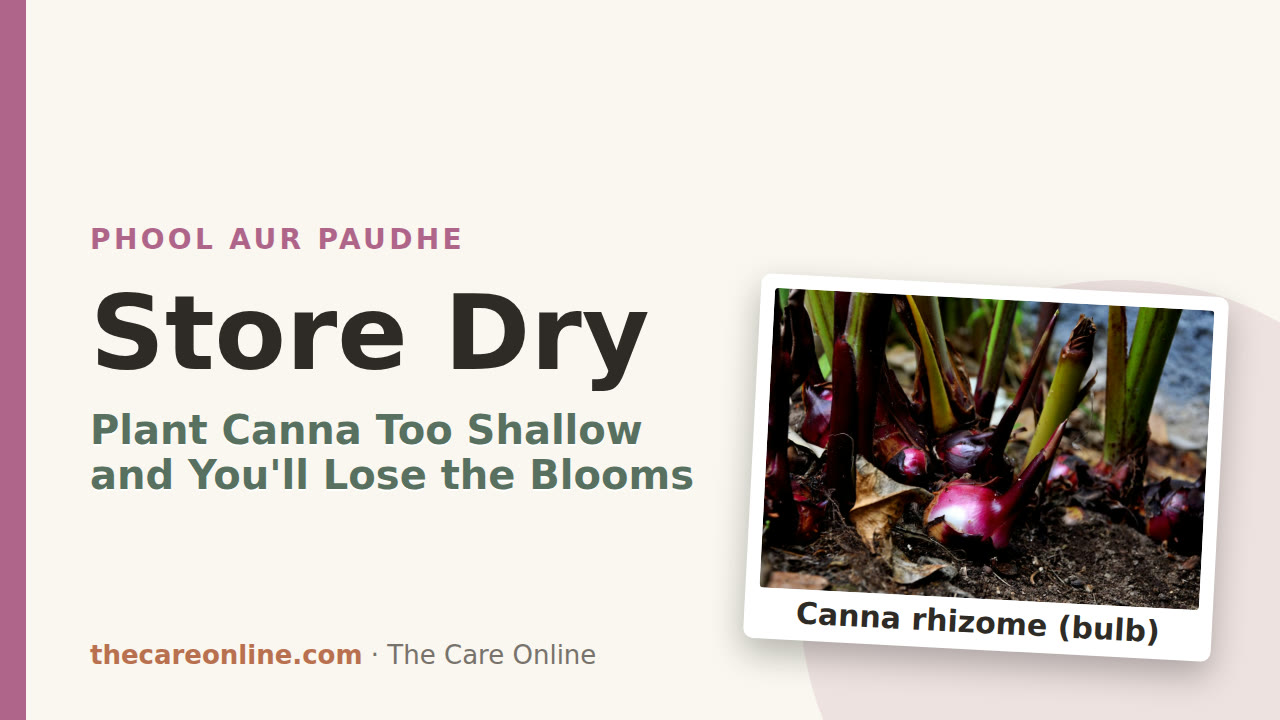
How to Grow Canna: Planting Depth, Pots, Dividing and Storing
 Flowers & Plants
How to Grow Tecoma (Yellow Bells) From Cuttings, and Prune It
 Flowers & Plants
Lawn Grass Types in Pakistan: Korean vs Bermuda vs Dichondra
 Flowers & Plants
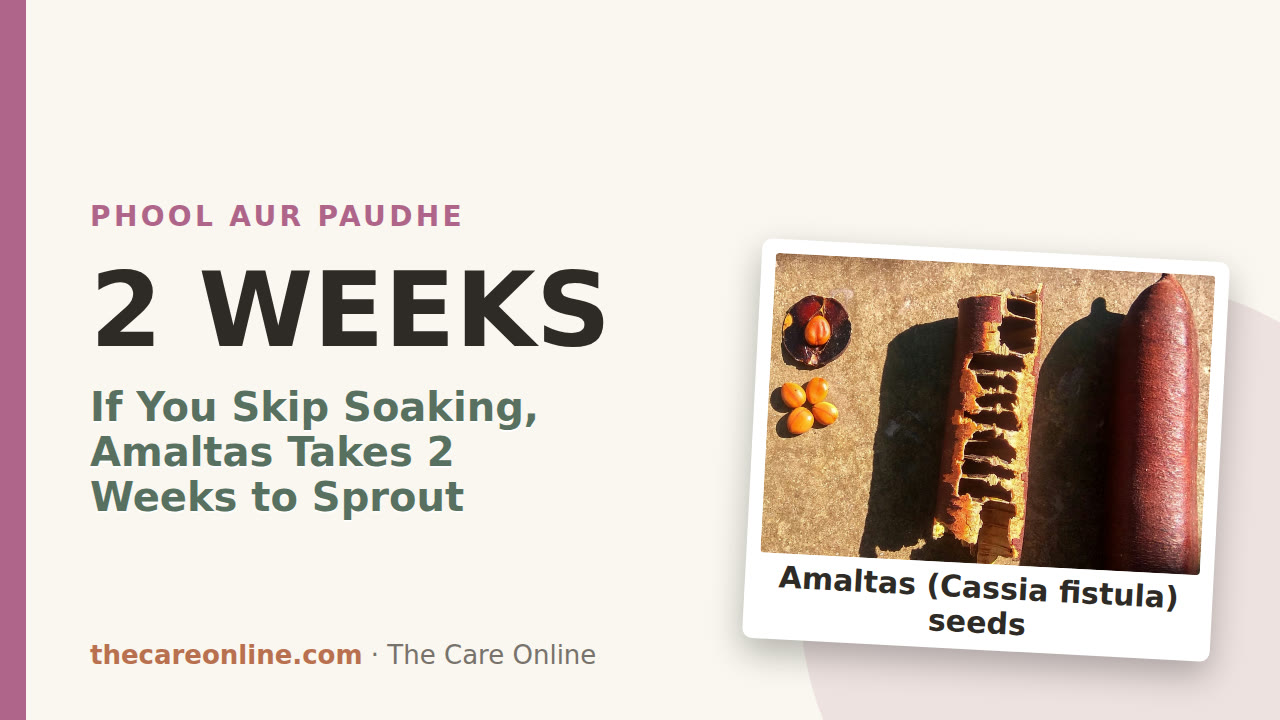
How to Grow Amaltas Tree (Golden Shower): Seed, Roots, Care
 Flowers & Plants
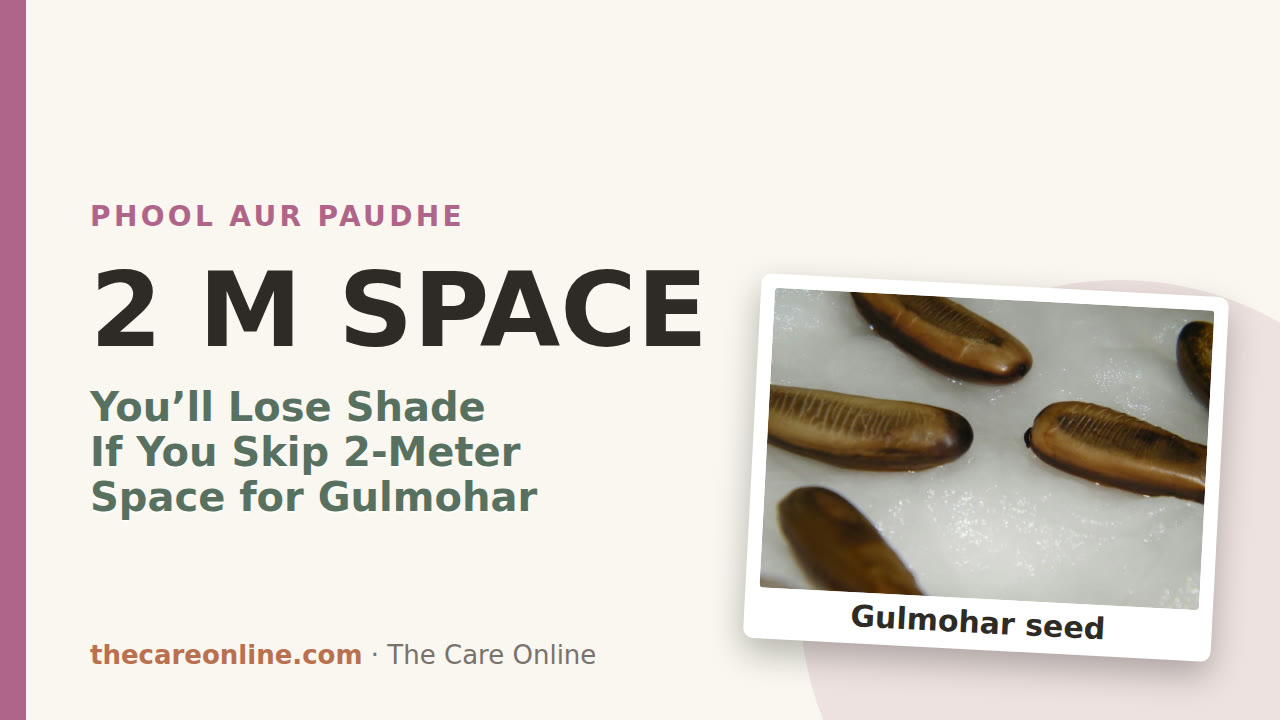
How to Grow Gulmohar Tree: Space, Roots, Seed and Storm Pruning
 Flowers & Plants