How to Grow Allamanda: Cuttings, Pinching and Pruning Month (Video)
Read the full written guide: How to Grow Allamanda: Cuttings, Pinching and Pruning Month →
Allamanda, the golden trumpet vine, is one of the showiest climbers for Indian and Pakistani gardens, but it has a few quirks. This guide covers where it thrives, how to grow it from cuttings, the simple pinch that doubles your flowers, and the one pruning mistake that can cost you an entire season of blooms. You'll also learn the right potting mix, watering rhythm, and how to fix common problems like yellow leaves and no flowers. It's practical, honest, and written for real gardeners, not labs.
Safety first: allamanda's milky sap can irritate skin and eyes, and all parts are poisonous if eaten. We'll tell you how to handle it safely, especially around kids and pets. And remember, this is gardening know-how, not medical advice. If you ever have a persistent or serious concern, talk to a real doctor.
Show the full transcript
Transcript
Six hours of sun: the whole secret to allamanda?
Six hours of sun: the whole secret to allamanda?
Allamanda, the golden trumpet
Stay for the pruning mistake that can cost you a season of golden trumpets.
Where it thrives
Here's the thing: allamanda loves humid heat. In Karachi, it flowers most of the year. In Lahore or Delhi, it works from spring to autumn, but watch for frost nights. In Multan, the dry 45-degree wind scorches leaves unless you give afternoon shade. In Islamabad, pot it and park it against a warm wall in winter.
Minimum daily sun hours
Remember this number: six hours of direct sun, minimum. Anything less, and your allamanda grows leaves all day, but not a single trumpet. It's the difference between a lush green vine and a golden show. South-facing balconies are your best bet. Six hours. That's the magic number.
Grow from cuttings
Cuttings are the way. Seed's rare and slow. Do it in March to April or the monsoon, when air's warm and humid. Take a 15 to 20 centimetre firm stem piece with three or four nodes. Let the milky sap stop, rinse it, strip lower leaves, snip below a node. Dip in rooting powder if you've got it, then push two nodes into moist cocopeat and sand. Layering's even easier: pin a low stem into a pot beside the parent, and in six to eight weeks, you've got roots.
Shrub or climber
Allamanda doesn't cling; it sprawls and drapes, so you get to choose. Want a climber? Tie those long canes loosely to a trellis or railing, and it'll cover a balcony rail in a season or two. Prefer a shrub? Pinch the soft tip of every shoot when it hits about 30 centimetres. Each pinch gives two side shoots. Do that through the season and you'll get a dense, bushy plant.
The pinch that changes everything
This is the bit that surprised me. Allamanda flowers at the tips of new shoots, so more tips means more flowers. If your vine is all long, bare canes with a few blooms at the end, here's the fix. Pinch out every growing tip in March, then again in June. Within weeks you'll see double the branches, and a little later, double the trumpets. It's the cheapest trick in gardening: free flowers, just for being brave.
Soil, water, food
For potting mix, keep it rich but well-draining: two parts garden soil, one part compost, one part cocopeat. Feed every four to six weeks from March to October, then stop for winter. In summer, keep it evenly moist, daily in pots on the plains, twice in Multan on the worst days. During monsoon, water only when the top few centimetres dry. In winter, ease back to every five to seven days. Cold, wet roots kill this plant.
The one pruning mistake
Now, the part most people miss: pruning timing. Prune in February, as days warm and before new growth starts. Cut back by a third to half, clear weak and dead canes, and shape it. New shoots flower in April. But here's the one mistake that costs you blooms: pruning late, in May or June, slices off shoots about to flower, delaying everything by weeks. And pruning in November or December? Worse: fresh cuts and regrowth get hammered by frost. So prune in February.
Why no flowers?
If your allamanda refuses to flower, check the sun: under five hours, you get leaves only. Too much nitrogen gives dark, oversized leaves and no blooms. No pinching means few tips, few flowers. And cold stops it entirely, so wait for spring.
Yellow leaves?
Yellow leaves? Soft and wet soil means overwatering, so fix the drainage. Yellow between veins means iron shortage in alkaline soil, so add compost and iron. Yellow in winter is just cold, so move it to a warmer wall. Dusty undersides mean spider mites, so wash them off and mist in the evening.
Handle with gloves
Quick safety note. Allamanda's milky sap can redden and itch your skin, and stings badly in your eyes. All parts are poisonous if eaten, causing vomiting and diarrhoea. So grow it out of reach of toddlers and pets that chew, wear gloves when you prune, wash your hands after. If sap gets in an eye, rinse with clean running water for several minutes, see a doctor if pain or redness stays. If a child eats any part, call a doctor or poison centre.
Grow it or skip it?
So should you grow it? Grow it if you're on the coast, or in Lahore or Delhi, with a sunny rail and no curious toddler. It's one of the showiest climbers in Phool aur Paudhe. In Multan, give it afternoon shade. But skip it in the hills, in a dim flat, or where small children play unsupervised. It's a stunner, but it needs the right home.
Like, subscribe and comment
If this helped, a like and a subscribe really help. Drop your question in the comments.
Read the full guide
Read the complete guide on thecareonline.com. This is general information, not medical advice.
More videos
 Flowers & Plants
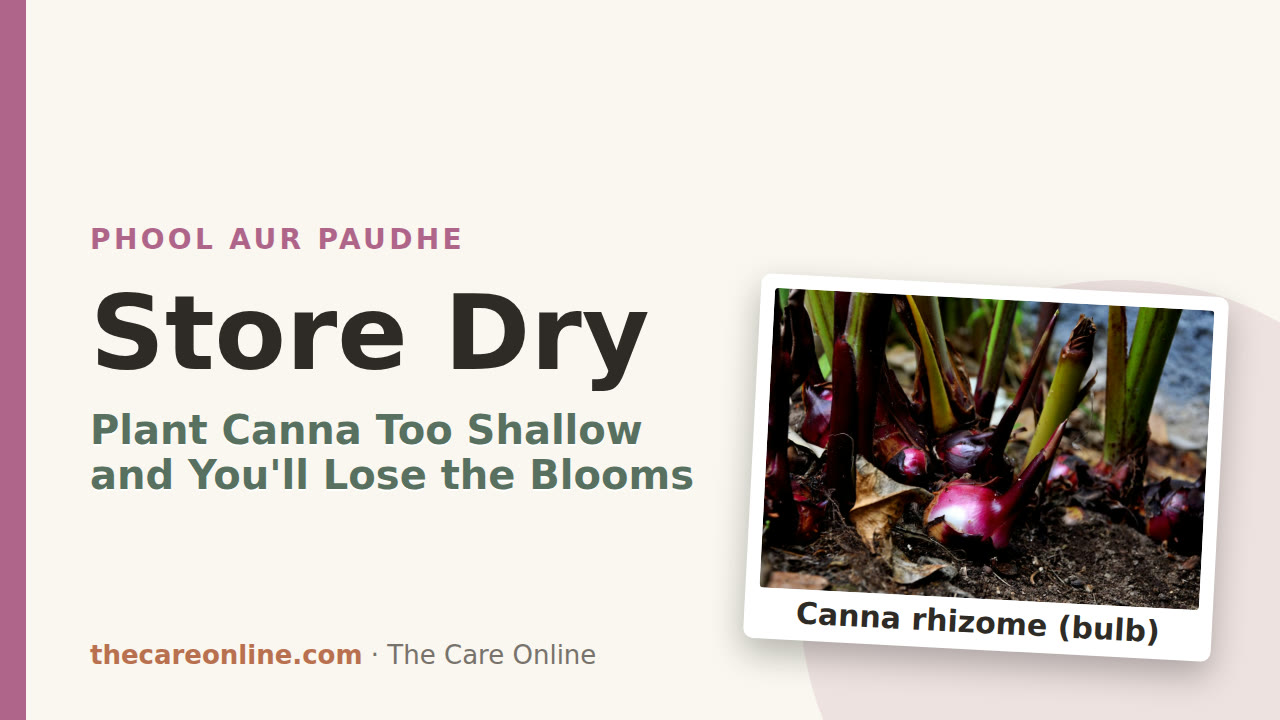
How to Grow Canna: Planting Depth, Pots, Dividing and Storing
 Flowers & Plants
How to Grow Tecoma (Yellow Bells) From Cuttings, and Prune It
 Flowers & Plants
Lawn Grass Types in Pakistan: Korean vs Bermuda vs Dichondra
 Flowers & Plants
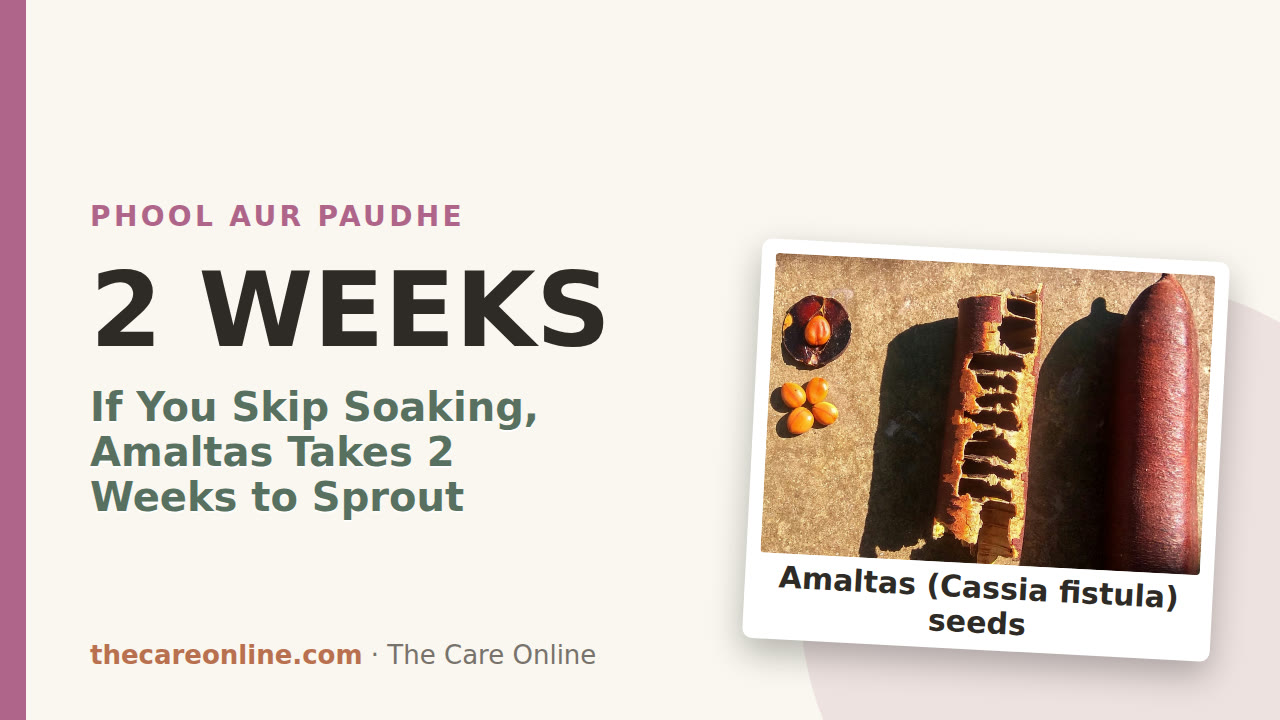
How to Grow Amaltas Tree (Golden Shower): Seed, Roots, Care
 Flowers & Plants
How to Grow Gulmohar Tree: Space, Roots, Seed and Storm Pruning
 Flowers & Plants