Euphorbia Sap in the Eye: Thohar and Pencil Cactus First Aid (Video)
Read the full written guide: Euphorbia Sap in the Eye: Thohar and Pencil Cactus First Aid →
Euphorbia sap eye irritation How to treat cactus sap in eye Got a splash of milky cactus sap in your eye or on your skin? This video walks you through the exact steps you need to take right now—rinsing with clean water, avoiding rubbing, and protecting the eye while you assess the irritation. We’ll explain why immediate flushing matters, how long to wait before seeking professional help, and what signs mean you need a doctor. Remember, this is practical first‑aid guidance, not a substitute for medical advice. If this is persistent or affecting your daily life, see a doctor.
Show the full transcript
Transcript
Ever gotten cactus sap in your eye? 15 minutes of water can help.
Ever gotten cactus sap in your eye? 15 minutes of water can help.
Euphorbia Sap Eye First Aid
Stick around and I'll show you the single step that can protect your eye after a cactus sting.
What happens inside
Here's the thing: the moment that milky latex hits your eye it burns like a tiny firecracker, and then, often, the pain only gets worse. Think about it, initial sting can fade, but hours later you might see redness, swelling, and a foggy view. An Indian report of three gardeners showed everything from simple conjunctivitis to a swollen cornea that took days to clear.
Rinse duration
And this is where it gets interesting: the gold standard for flushing out the latex is a steady stream of clean water for at least fifteen minutes. Why fifteen? Because the sap clings to the eye surface, and a quick rinse often leaves residue that keeps irritating. A full fifteen-minute wash dramatically cuts the chance of deeper corneal damage.
Immediate eye care
Now, the part most people miss is what you do after you’ve got the water flowing. First, keep your eyelids open, use a clean finger or a cup to hold them gently. Second, if you wear contacts, pull them out quickly if they come out easily. And above all, never rub the eye; rubbing just spreads the latex further.
Preventing accidents
Think about it: a simple habit can stop a splash before it happens. Wear sunglasses or any glasses and sturdy gloves before you start cutting. Keep a bucket of water and a sponge right next to the plant, dip the cut end in water to stop the latex bleeding. And wash your hands before you touch your face; most eye injuries happen when you wipe sweat with a contaminated hand.
If sap touches skin
What surprised me is how quickly the skin reacts, even after you think you’ve washed it off. The latex can cause redness, itching, and blisters that appear hours later. The best move is to scrub the area with soap and plenty of water right away, then apply a cool compress to soothe the sting. If blisters spread or lips swell, see a doctor.
Typical healing
And this is where it gets interesting again: most people who get proper care see their eyes clear up within ten to fourteen days. That range isn’t a guarantee, but it shows how fast the cornea can bounce back when the latex is flushed out early and inflammation is treated. So the sooner you act, the quicker the recovery.
Plants that ooze latex
Now, the part most people miss is which plants you’ll meet in the garden that spit out this milky sap. In Punjab and Sindh you’ll see thohar hedges, the pencil cactus, Euphorbia tirucalli, often called the milk bush, and crown of thorns, all of which exude a white latex when cut. Even common poinsettia can cause mild skin irritation, so treat any milky sap with caution.
The one thing to remember
The one step that can make all the difference is to rinse the eye for a full fifteen minutes and then see an eye doctor the same day, even if the pain seems to fade. Delayed inflammation can hide behind a calm surface, and only a professional can spot early corneal damage. Don’t wait for the sting to disappear, act now.
Like, subscribe and comment
Useful? Like and subscribe, and tell us in the comments what we should check next.
Read the full guide
Read the complete guide on thecareonline.com. This is general information, not medical advice.
More videos
 Flowers & Plants
How to Grow Tecoma (Yellow Bells) From Cuttings, and Prune It
 Flowers & Plants
How to Grow Canna: Planting Depth, Pots, Dividing and Storing
 Flowers & Plants
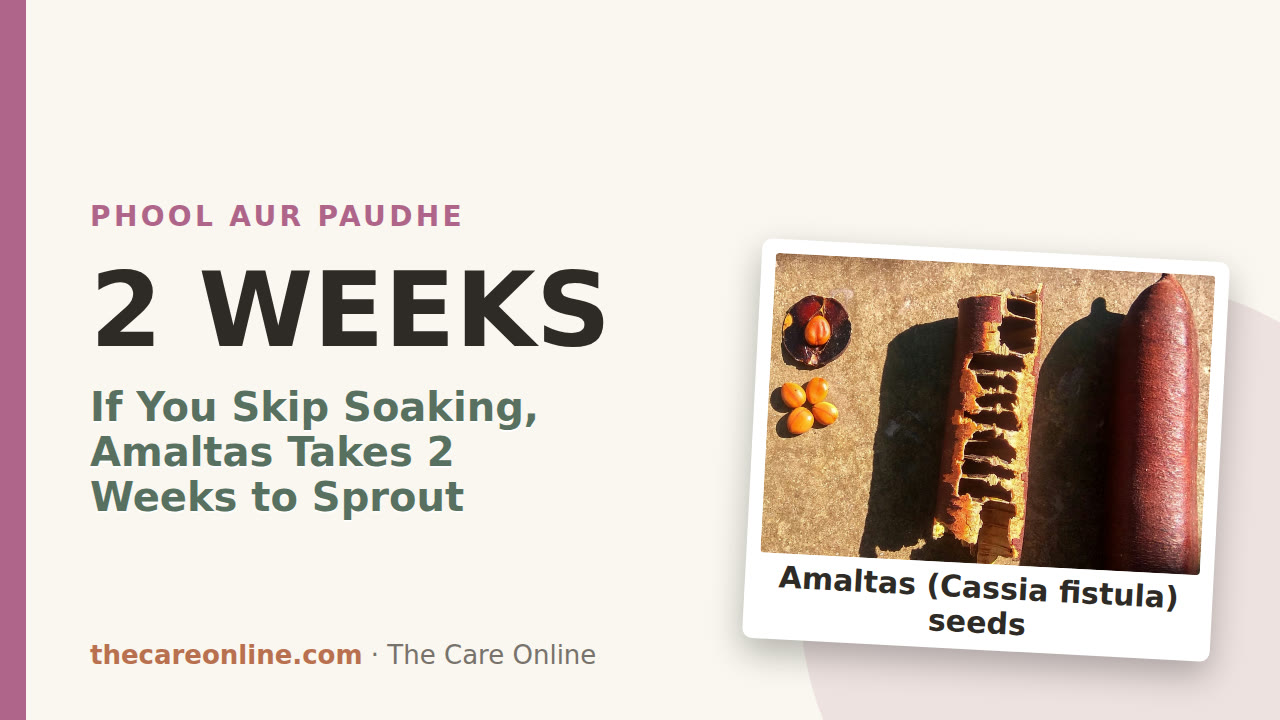
How to Grow Amaltas Tree (Golden Shower): Seed, Roots, Care
 Flowers & Plants
How to Grow Gulmohar Tree: Space, Roots, Seed and Storm Pruning
 Flowers & Plants
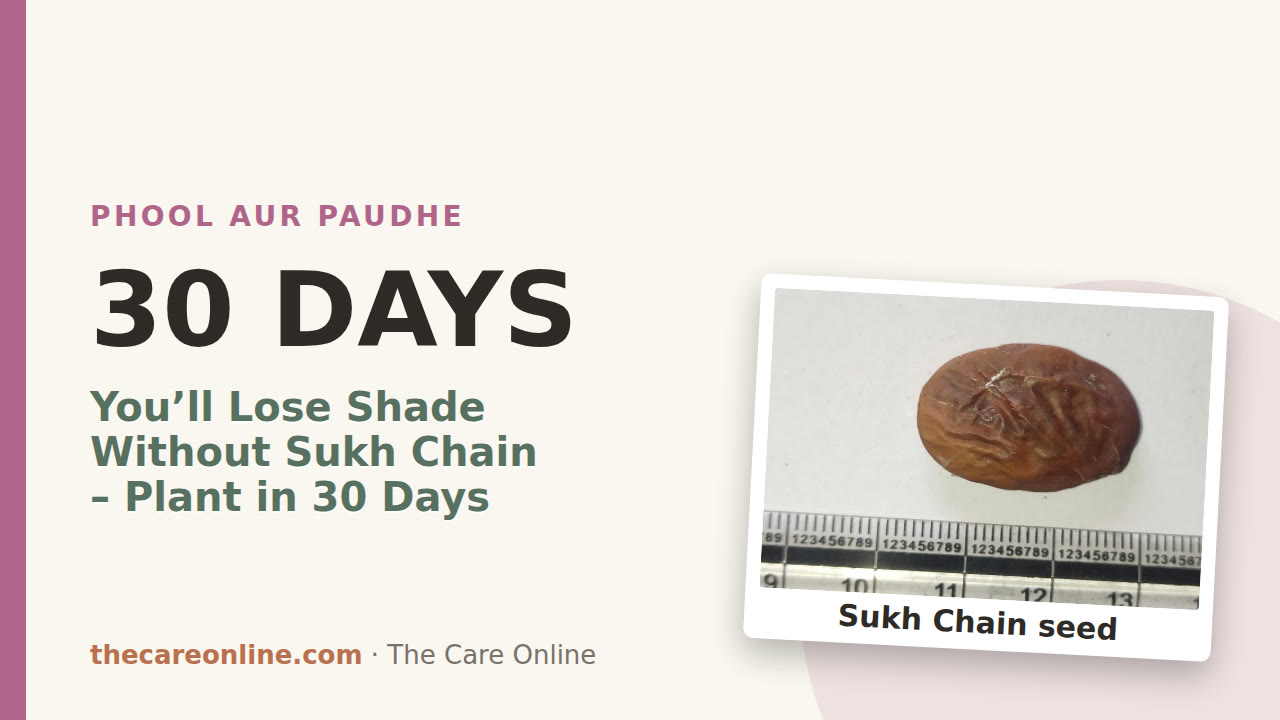
How to Grow Sukh Chain Tree (Pongamia): A Native Shade Pick
 Flowers & Plants