How to Pick Sweet Turnips and Cook Them Right (Video)
Read the full written guide: Shaljam (Turnip): How to Pick Tender Ones and Cook Them Well →
Learn how to choose tender, sweet turnips and store them properly so they stay fresh. We cover quick prep tips, cooking tricks to mellow bitterness, and simple recipes for soups, stews, and pickles. All the advice is for everyday cooking and not a substitute for professional medical guidance.
Show the full transcript
Transcript
Turnip Tips
If you’ve ever thought turnips are bitter, you might just have been picking the wrong ones. Let’s discover how to find the sweet, tender ones and enjoy them in simple dishes.
Why Turnips Can Taste Bitter
Most people who claim they hate turnips have probably tried a big, old one. The sweet ones are small, heavy, smooth, with fresh leaves, about the size of a tennis ball or smaller.
Bitter & Woody Turnips
A turnip that keeps growing without being pulled gets stringy inside and a stronger mustardy bite. The bite comes from natural sulphur compounds, the same as sarson and mooli. Warm, old turnips lose water and sweetness, turning woody and bitter.
At a Glance
Here’s a quick reference: season, size, types, and storage times for turnips.
Stall Checklist
When you’re at the market, start with size, 5 to 8 cm across, and the tiny ones under a golf ball are the sweetest. Feel the weight; a heavy turnip means it’s still moist. Press with your thumb; it should be rock-firm, and the skin should be smooth and shiny with a clean purple blush. Skip anything with cracks, brown patches, or hollow spots.
Refrigeration Tips
Yes, keep turnips cool. First trim the leaves, leaving about two centimeters of stem so they don’t sap the root. Store the roots unwashed in a bag or box in the vegetable drawer for one to two weeks. Leaves go in a loose dry cloth or paper, then a bag, and should be used within a few days.
Preparing Turnips
Give the turnips a good rinse under running water and scrub the tops where soil hides, skip any soap. Small young turnips just need the ends trimmed. Larger ones have a tougher layer; peel about two to three millimetres thick to pull out much of the sharpness. For milder flavor, boil the cubes for three to four minutes, drain, then add to your masala.
Turnip Nutrition
Turnips are quietly nutritious. A cup of cubed turnip has about 35 calories, a couple of grams of fiber, and roughly a third of your daily vitamin C. They’re mostly water, so they fill you up without many calories.
Turnip Greens
The leafy tops are edible and packed with vitamin K, folate, vitamin C, and calcium. They have a slightly peppery taste, similar to mustard greens. Use only fresh green leaves, cut off thick stalks, wash thoroughly in several changes of water, then fry or add to a mixed winter saag.
Simple Turnip Recipes
Here are a few easy ways to use turnips. For shaljam gosht, brown onions, add mutton or beef, then tomatoes, and finally peeled turnip cubes simmered with a touch of jaggery. A quick winter pickle mixes blanched turnip, cauliflower, and carrot with mustard oil, ginger-garlic paste, and spices. You can also fry fresh greens with garlic and chopped turnip for a fast sabzi.
Thyroid Myth
Turnips belong to the cabbage family, and very large amounts of raw cabbage-family veg can slightly affect how the thyroid uses iodine. In typical diets, cooked turnip in normal portions isn’t a problem, especially when you use iodised salt.
Traditional Uses
In many Punjabi homes, a bowl of turnip soup was given for winter coughs, and mashed turnip for convalescents. Warm broth soothes a sore throat but doesn’t cure infection.
Fun Turnip Facts
Before pumpkins, people in Ireland and Scotland carved turnips for Halloween. The turnip shares its species with Chinese cabbage and bok choy, bred for its root. The purple top is the part that grew in the sun.
Who Needs Caution
If you’re on blood thinners, keep your turnip-green intake steady and check with your doctor. Those with gas or IBS may want small cooked portions, and kidney patients should watch potassium. Babies can have soft mashed turnip from six months, without salt or sugar.
Thanks for Watching
For the full guide, visit thecareonline.com, and remember this is general cooking advice, not medical counsel.
More videos
 Fruits & Vegetables
Pumpkin Flowers (Kaddu ke Phool): Pakode and Which to Pick
 Fruits & Vegetables
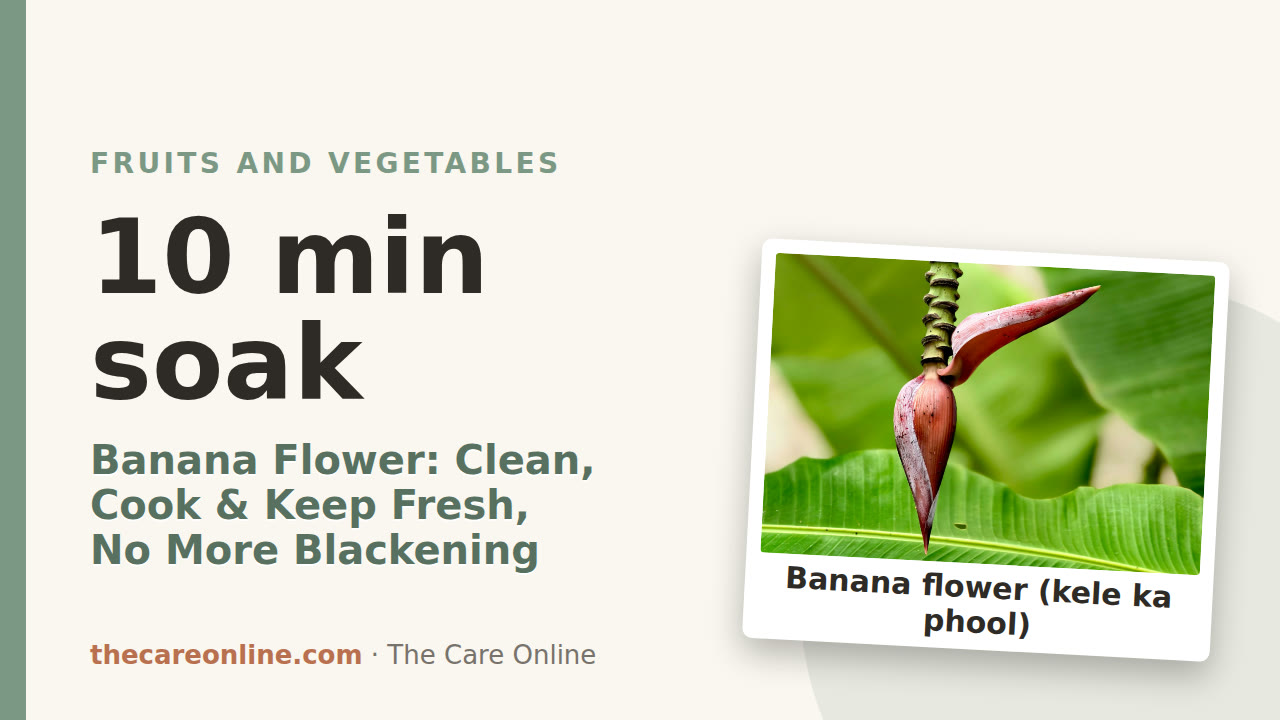
Banana Flower (Kele ka Phool): How to Clean, Cut and Cook It
 Fruits & Vegetables
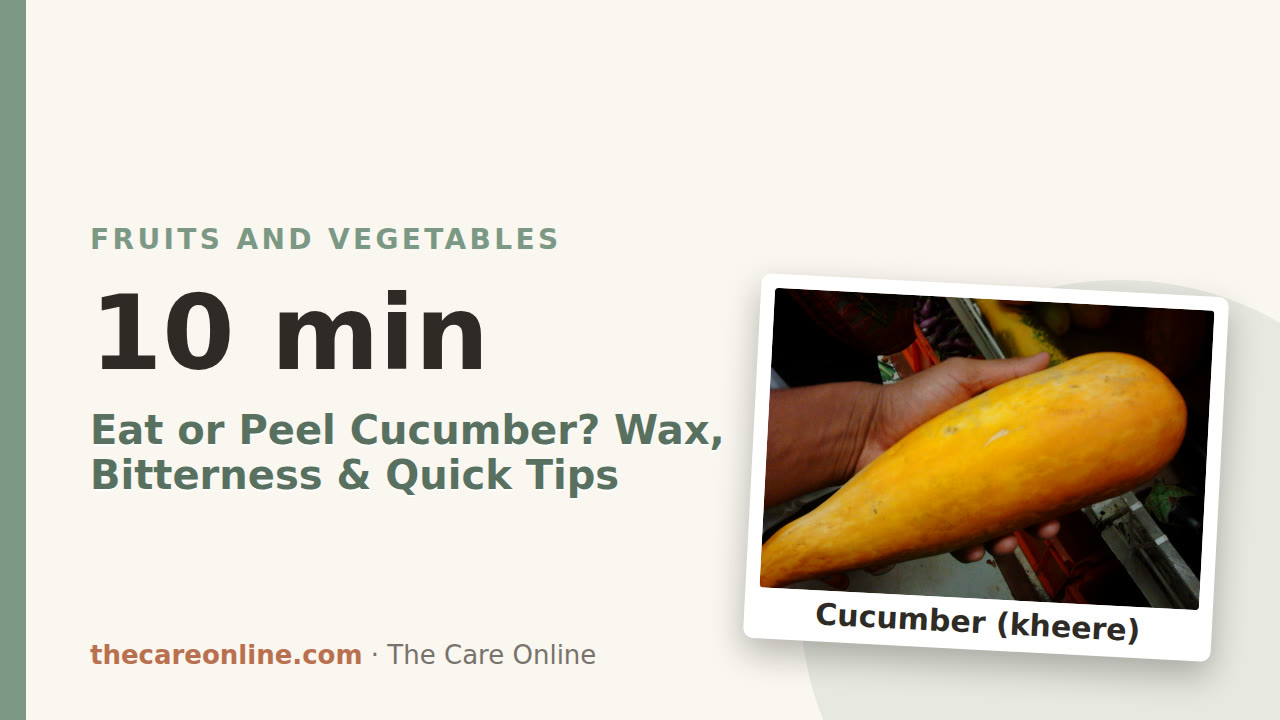
Cucumber Peel (Kheere Ka Chilka): Eat or Peel? Wax and Bitterness
 Fruits & Vegetables
Vitamin D From Mushrooms in the Sun: Khumbi Trick That Works
 Fruits & Vegetables
Broccoli Sulforaphane and Gobi: Chop, Wait, Add Rai (Mustard)
 Fruits & Vegetables