Grapefruit Benefits (Chakotra): Real Uses, Myths, Who Must Skip (Video)
Read the full written guide: Grapefruit Benefits (Chakotra): Real Uses, Myths, Who Must Skip →
grapefruit health benefits grapefruit weight loss myth Discover the real nutritional advantages of grapefruit, from vitamin C punch to heart‑friendly antioxidants. We bust the common weight‑loss claim and explain why the myth can mislead you. Learn which medicines interact with grapefruit and how to enjoy it safely if you’re on certain prescriptions. Plus, a quick kid‑friendly pomelo salad recipe and a simple prep trick to keep the fruit fresh. Stay informed and make smarter choices for your diet. If this is persistent or affecting your daily life, see a doctor.
Show the full transcript
Transcript
Half a grapefruit enough vitamin C for the day?
Half a grapefruit enough vitamin C for the day?
Grapefruit Benefits
Hey there, ever wonder why grapefruit feels so refreshing yet people keep warning you about it? In this video we’ll unpack the real benefits, bust the weight-loss myth, and save you the most handy tip for enjoying it without any hidden surprises. Stick around, the best part comes at the end.
What grapefruit actually offers
Here’s the thing: grapefruit is basically a juicy winter orange packed with vitamin C, water, and a bit of fiber if you eat the segments. Half a fruit can cover a good chunk of your daily C need, and because it’s low-calorie and filling, it makes a smart snack. Think about it, no magic, just solid nutrition.
Weight loss myth
And this is where it gets interesting: people swear half a grapefruit before lunch will melt away fat. The truth? It’s only as filling as any watery fruit, so you might naturally eat a bit less later, but there’s no fat-burning enzyme hiding in the pulp. Myth busted, right? It’s a habit trick, not a miracle.
Typical serving
Now, the part most people miss is just how much you get from a modest serving. A typical portion is about half a fruit, which already supplies roughly half of the recommended vitamin C intake for an adult. That’s a solid boost without loading up on calories. Remember, size matters more than fancy claims.
Pomelo vs grapefruit
Think about it: pomelo and grapefruit are cousins, but they aren’t identical. Pomelo is larger, with thick pith and a sweeter, milder taste, while grapefruit is smaller, juicier, and a bit more bitter. Both can interact with the same meds, so the warning isn’t just for one fruit. Spot the difference by skin thickness and flavor.
Who should skip or check
Here's the verdict: if you’re on statins, blood-pressure pills, heart rhythm meds, or any long-term tablets, you really need to check with a pharmacist before reaching for grapefruit. Acid reflux folks might feel extra heartburn, and kidney patients on potassium limits should also be cautious. Otherwise, it’s a fine, refreshing snack.
Kid-friendly pomelo salad
Now, the part most people miss is a kid-approved way to enjoy that citrus without the bite. Peel pomelo segments completely, ditch the white skin, toss them with a few pomegranate seeds, a squeeze of malta, and a pinch of salt. The sweetness of pomelo and the salt balance the sour, making it a hit for little mouths.
How to eat without bitterness
And this is where it gets interesting: the bitterness lives in the white pith and the membranes. Choose a heavy fruit with a glossy, springy skin, slice off the ends, then cut away the peel and pith in strips. A small knife along each membrane lifts out clean, sweet segments. A pinch of chaat masala or black salt rounds out the sour nicely.
The one tip to enjoy safely
So what should you do? The one practical tip that ties everything together is simple: always check your medication list with a pharmacist before you eat grapefruit, especially if you’re on statins, blood-pressure drugs, or any long-term prescription. That quick step protects you from hidden interactions while letting you savor the fruit’s bright flavor.
Like, subscribe and comment
Useful? Like and subscribe, and tell us in the comments what we should check next.
Read the full guide
Read the complete guide on thecareonline.com. This is general information, not medical advice.
More videos
 Fruits & Vegetables
Edible Flowers: Which Garden Flowers Are Safe to Eat (and Not)
 Fruits & Vegetables
Avocado Benefits: Honest Nutrition, Value and Who Should Avoid
 Fruits & Vegetables
Dragon Fruit Benefits: What Holds Up and Who Should Skip It
 Fruits & Vegetables
Mosambi Benefits: What Sweet Lime Does and Who Should Limit It
 Fruits & Vegetables
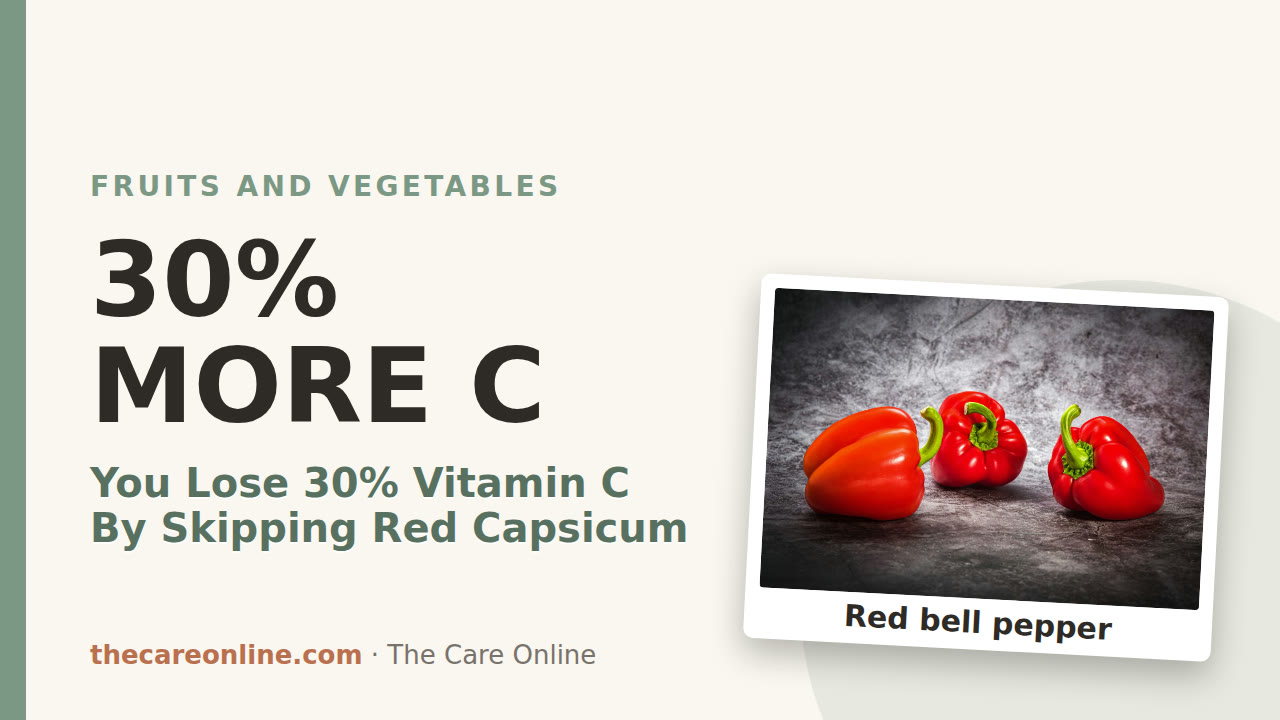
Capsicum Benefits: Red vs Green Shimla Mirch, Checked Honestly
 Fruits & Vegetables