Red Kundru (Ivy Gourd) Guide: Picking, Cooking & Storage (Video)
Read the full written guide: Kundru (Ivy Gourd): Can You Eat Red Tindora? How to Pick It →
Learn how to tell when an ivy gourd is ripe, how to pick the best ones, and simple ways to cut, fry and store them without the usual slime. The video also covers basic health notes and quick recipes. All tips are shared as personal preferences and kitchen habits, not medical advice. For the full article, visit thecareonline.com.
Show the full transcript
Transcript
Red Kundru? Yes, You Can
Ever sliced an ivy gourd and saw a red interior? It’s just ripe, sweet, and safe to eat.
At a Glance
Here’s a quick snapshot: the veggie goes by many names, you want a small firm green one, and a red interior just means it’s overripe and sweet.
Red Inside? What It Means
When the flesh turns red, the fruit has simply ripened. It becomes softer, sweeter and the seeds grow larger. Birds love the bright color, which helps spread the seeds. It’s not poisonous, but the texture changes, so it works best in curries or sambar where softness isn’t a problem.
How to Pick Fresh Kundru
A handy trick is to buy from the top of a fresh heap early in the day. The bottom gets warmed and turns red faster. Look for a thumb-size gourd that feels firm, has a deep green coat with pale stripes, and snaps cleanly when pressed.
Cut & Fry Without Slime
Kundru releases a natural gel, similar to okra. The slime appears when water, steam and a crowded pan meet. To avoid it, wash and dry the fruit completely, trim a few millimetres off each end, slice thinly, and fry in a wide pan with a single layer of pieces.
Watch for Bitterness
A bitter taste can signal natural toxins called cucurbitacins, so discard any batch that’s sharply bitter, slimy-smelling or mouldy. For people on insulin or tablets, the vegetable itself is fine, but avoid leaf powders or juices that claim to control sugar without a doctor’s guidance.
Storage Tips
If you’re buying for the week, use the softer ones first. Store whole, unwashed gourds loosely wrapped in newspaper in the vegetable drawer for up to six days. Cut pieces keep a day in a lidded box lined with a paper towel. For longer storage, blanch, dry and freeze the slices for later curries.
Simple Kundru Recipes
A quick fry uses thin wedges tossed in oil with mustard and cumin seeds, then seasoned with turmeric, red chilli, coriander powder, amchur and salt. Aloo kundru adds sliced potatoes and onions for a hearty side. The soft, red-ripe fruit works beautifully in sambar or dal where texture isn’t critical.
Kundru and Diabetes
Kundru is low in carbohydrates and high in water, so a small serving won’t spike blood sugar. Traditional leaf preparations have been studied in a few small trials, but the evidence doesn’t support a strong claim. As a vegetable, it makes a sensible, low-calorie swap in meals.
Myths and Side Effects
Some families say kundru dulls memory before exams, but there’s no scientific basis. The only real side effect is bitterness from spoilage, which should be tossed. Otherwise, it’s a regular, safe vegetable to enjoy.
Traditional Uses
In Ayurveda the gourd is known as bimbi, and ancient poets likened its bright red fruit to ruby lips. The vine is still grown in many South Indian backyards, and the leaves have featured in traditional preparations for generations.
Thanks for Watching
For more details, read the full post on thecareonline.com. Remember, this is general advice, not medical guidance.
More videos
 Fruits & Vegetables
Pumpkin Flowers (Kaddu ke Phool): Pakode and Which to Pick
 Fruits & Vegetables
Banana Flower (Kele ka Phool): How to Clean, Cut and Cook It
 Fruits & Vegetables
Cucumber Peel (Kheere Ka Chilka): Eat or Peel? Wax and Bitterness
 Fruits & Vegetables
Vitamin D From Mushrooms in the Sun: Khumbi Trick That Works
 Fruits & Vegetables
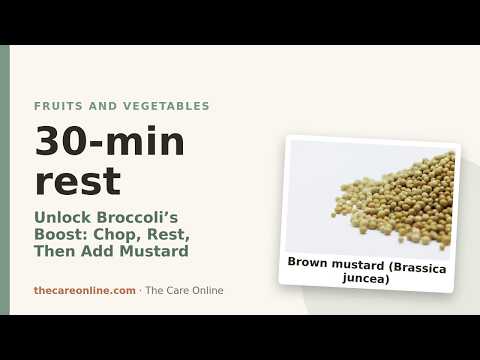
Broccoli Sulforaphane and Gobi: Chop, Wait, Add Rai (Mustard)
 Fruits & Vegetables