How to Choose, Ripen, Store and Enjoy Bananas (Video)
Read the full written guide: Kela (Banana) Guide: How to Select, Ripen, Store and Eat It Right →
Learn simple ways to pick the right banana for your needs, keep it fresh longer, and use it in tasty recipes. The guide also clears up common myths and shares easy beauty tricks. All the tips are practical and easy to follow, but they’re not a substitute for professional medical advice.
Show the full transcript
Transcript
Banana Basics
Ever wonder how to pick the perfect banana for any need? Let’s walk through the simple steps to choose, ripen, store and enjoy them.
Pick the Right Stage
Pick bananas by the job you want them for. Green-tipped yellow lasts the week ahead, full yellow is ready right now, and brown-freckled works great in shakes or baked goods. And yes, once a banana is ripe you can pop it in the fridge, the peel will turn black but the fruit inside stays firm for a few extra days.
Quick Facts
Here’s a quick glance: look for a firm, evenly yellow peel with a bit of green at the stem, no split skin, and clean stems. Store ripe bananas in the fridge, the peel darkens but the flesh stays fresh three to five days longer. One medium banana packs about 105 calories, 27 grams of carbs, three grams of fiber and a good dose of potassium.
Choosing at the Stall
Most bad bananas are bought, not made. A sealed room and a hurried trader can turn a green bunch yellow outside while the inside stays hard and starchy, so look past the colour. Check the stem end, a little green means the bunch will keep three to five days on your counter. The colour should move evenly from stem outward, a bright lemon-yellow peel is a good sign. Press gently with one finger; the fruit should give very slightly. Scan for splits and bruises, they let in flies and mould.
Local Varieties
There’s no fixed fair price, but a good signal is green bunches hanging beside ripe ones, that stall ripens its own stock. You’ll see Basrai, the dwarf Cavendish that’s sweet and soft, common across Sindh and Pakistan. Robusta, also called Grand Naine, is long, sweet and ships well in big Indian markets. In South India you’ll find Elaichi or Yelakki, small with thin skin, very sweet and a touch tangy. Red bananas from Kerala and Tamil Nadu are dense, berry-like and turn a dark maroon when fully ripe.
Inside the Ripening
A green banana is mostly starch, some of it resistant starch that behaves like fiber in your gut, which is why raw kela feels filling and a little chalky. As it ripens, its own ethylene gas switches on enzymes that turn starch into sugar. By full yellow it tastes sweet, and by the time it’s spotted brown most of the starch is gone, leaving the fruit at its softest and sweetest.
Fun Fact
Botanically, a banana is a berry. A strawberry isn’t.
Storing Bananas
The most searched question is whether to refrigerate bananas. Below about 13 °C the peel gets damaged and turns black, but the flesh inside stays protected and actually ages more slowly. Keep green bananas out, the fridge stops ripening and they stay hard and grey. Ripe bananas are fine in the fridge; expect a black peel in a day, but the flesh stays sweet and firm for three to five extra days. On the counter, hang the bunch or lay it on its side away from sunlight and the stove. Wrapping the crown in a strip of cling film or foil slows the gas escaping from the stem and can buy you a day or so.
Quick Ripen Trick
Need rock-hard bananas for guests tomorrow? Pop them in a paper bag with a ripe apple, fold the top and leave the bag on the counter overnight. The trapped ethylene does the work. Avoid plastic bags, they hold moisture and can invite mould.
Nutrition & Myths
A banana is quick, cheap, clean fuel with a peel for packaging. One medium fruit gives around 105 calories, mostly carbohydrate, about three grams of fiber and a good share of your daily potassium and vitamin B6. Potassium helps muscles and heart work and balances sodium from salty food; the fiber, including pectin, helps keep stools soft but formed. The hype about bananas being the highest potassium food isn’t true, potatoes with skin, dal and spinach match or beat it per serving. And bananas don’t make you fat; they’re just a source of energy like any other fruit.
Easy Recipes
For a quick kela doodh shake, blend two ripe spotted bananas with 400 ml chilled milk, four dates or no sweetener, and a pinch of elaichi powder. The spotted fruit is sweet enough, so skip the sugar; a tablespoon of oats makes it thicker and more filling. If you’ve heard milk and banana are a bad pair, check our look at milk combinations first. A simple kela chaat mixes sliced firm-ripe bananas with papaya or guava cubes, a squeeze of lemon and a pinch of chaat masala, perfect as a light snack.
Beyond the Fruit
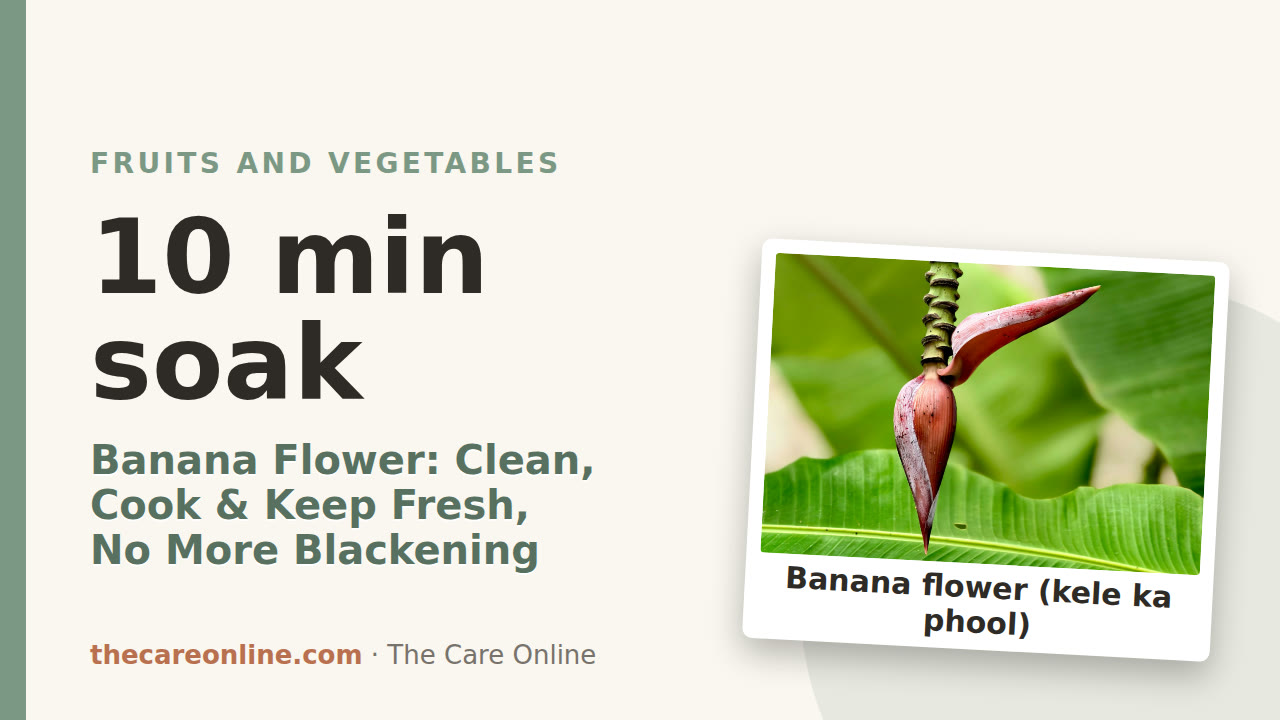
The peel is technically edible if cooked well and appears in some Indian and Sri Lankan dishes, though it’s bitter and fibrous. The banana flower, called kele ka phool, is a real vegetable cooked in Bengali, Kerala and Tamil kitchens after removing the tough outer bracts. Banana leaves are also used for steaming, wrapping and serving food, adding a subtle aroma.
Beauty Uses
Mashed banana is gentle, sticky and moisturizing, making it a simple face pack. Mix a quarter of a ripe banana with a teaspoon of plain yogurt, apply for ten minutes and rinse with cool water. For hair, blend half a banana with a tablespoon of coconut or olive oil until smooth; the mask adds shine and softness. Always do a patch test on the inside of your elbow or behind your ear and wait 24 hours, stop if it itches, stings or reddens. If you add lemon, rinse fully and stay out of the sun that day, as lemon plus sunlight can burn the skin.
Traditional Home Uses
In many desi homes, grandmothers give ripe banana mashed with a little dahi or plain khichdi during loose motions. The ripe fruit is soft, low in fat and easy to digest, and it replaces some potassium lost in stools. But the main fix for diarrhoea is fluid, oral rehydration salts, not banana alone. Boiled green banana with a pinch of salt is another old favourite, prized for its binding starch. The belief that banana causes a cold is a myth.
Myths Debunked
Myth number one: black spots mean the banana is bad. Those freckles are actually sugar spots, a sign of ripeness. A banana is truly bad when it leaks, smells fermented or alcoholic, or shows mould. Myth number two: you should never eat bananas at night. There’s no rule in the body; if a heavy late snack gives you acidity or you’re watching sugar, eat it earlier, otherwise it’s fine. And yes, the banana “tree” isn’t a tree at all, it has no wood, just a false trunk made of leaf sheaths.
Watch If
If you have kidney disease and your doctor has put you on a potassium limit, bananas are one of the first foods to count, ask your kidney team how many, if any, are okay. Some blood-pressure medicines, like ACE inhibitors and spironolactone, raise potassium, so check with your doctor before eating large amounts or using potassium salt substitutes. For diabetes, a small or half a large banana with a meal or protein is usually fine; avoid eating two or three at once.
Thanks for Watching
For more details, read the full post on thecareonline.com. Remember, this is general information, not medical advice.
More videos
 Fruits & Vegetables
Pumpkin Flowers (Kaddu ke Phool): Pakode and Which to Pick
 Fruits & Vegetables
Banana Flower (Kele ka Phool): How to Clean, Cut and Cook It
 Fruits & Vegetables
Cucumber Peel (Kheere Ka Chilka): Eat or Peel? Wax and Bitterness
 Fruits & Vegetables
Vitamin D From Mushrooms in the Sun: Khumbi Trick That Works
 Fruits & Vegetables
Broccoli Sulforaphane and Gobi: Chop, Wait, Add Rai (Mustard)
 Fruits & Vegetables