Why Herb Leaves Turn Yellow and How to Fix It Fast (Video)
Read the full written guide: Herb Leaves Turning Yellow or Drooping? Find the Cause, Then Fix It →
Learn the quick signs that tell you why your herb's leaves are yellow or drooping, and get a simple step-by-step rescue plan you can start today. We cover overwatering, hunger, heat stress and root rot without any confusing jargon.
Follow the one essential check before you ever reach for fertilizer, and keep your mint, tulsi, basil and other kitchen herbs thriving all year. This is practical gardening advice, not medical guidance.
Show the full transcript
Transcript
Yellow herb leaves? The secret is a 3-cm soil test.
Yellow herb leaves? The secret is a 3-cm soil test.
Herb Leaves Yellow?
Here's the short, honest answer, and one tip most people miss.
Spot the Symptom
First, look at the leaves and the soil. If the lower leaves are yellow and the soil feels wet, you’re likely overwatering. Dry soil with yellow leaves points to a nutrient shortage. When the whole plant looks yellow and limp, check for blocked drainage and root rot. A droop that appears at noon and disappears by evening is usually just heat stress.
Check Before Feeding
Before you add any fertilizer, tip the pot and pull the root ball out. Healthy roots look white and firm. If they’re brown, mushy and smell bad, the plant is suffering from overwatering and fertilizer will only burn the damaged roots further.
Mint Care Basics
Mint loves water, but a full saucer keeps the soil soggy. Empty it every time you water and wait until the top two to three centimeters feel dry before the next drink. If your mint is two years old, split it into three sections and give each a fresh, airy mix.
Tulsi Winter Rest
Tulsi often looks almost dead in winter, but that’s usually a rest period. Scratch a stem with your fingernail; if it’s green underneath, the plant is still alive. In summer, pinch off flower spikes so the plant puts energy back into its leaves.
Rescue a Dying Herb
If the roots are brown, the plant is gone, but you can still save cuttings. Stop watering and give the pot a bright, shaded spot. Gently loosen the soil, cut away any mushy roots and repot the healthy ones in a fresh, well-draining mix. A pot about 20 to 25 centimeters works for most rescued herbs.
When to Water
Wait until the soil is about three centimeters dry before you water again.
Ideal Rescue Pot
A pot between twenty and twenty-five centimeters gives room for new roots and proper drainage.
The One Quick Fix
The single most useful step is to tip the pot and check the roots before you ever add fertilizer. Healthy roots mean you can safely feed the plant; damaged roots mean you should hold off.
Like, subscribe and comment
Useful? Like and subscribe, and tell us in the comments what we should check next.
Read the full guide
Read the complete guide on thecareonline.com. This is general information, not medical advice.
More videos
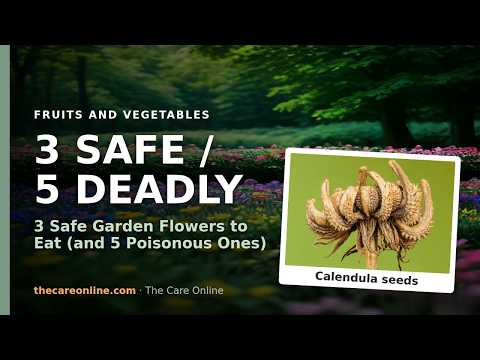 Fruits & Vegetables
Edible Flowers: Which Garden Flowers Are Safe to Eat (and Not)
 Fruits & Vegetables
Avocado Benefits: Honest Nutrition, Value and Who Should Avoid
 Fruits & Vegetables
Grapefruit Benefits (Chakotra): Real Uses, Myths, Who Must Skip
 Zero-Waste Kitchen
Chikoo Seeds: Are They Poisonous, and What If You Swallow One?
 Fruits & Vegetables
Dragon Fruit Benefits: What Holds Up and Who Should Skip It
 Fruits & Vegetables