Grow Green Beans (Sem Phali) in Pots: Sowing, Care, Picking (Video)
Read the full written guide: Grow Green Beans (Sem Phali) in Pots: Sowing, Care, Picking →
how to grow green beans in pots green bean pot planting guide
Discover a step‑by‑step method to grow dwarf green beans (sem phali) in containers, perfect for balconies or small gardens across Pakistan and North India. Learn the ideal sowing window, the right soil blend, how often to water, and simple ways to keep pests like aphids away. The guide also shows how to encourage a continuous harvest so you can enjoy fresh beans every few weeks. Follow the easy routine and avoid the common mistake of over‑watering, which can stunt growth and cause root rot. For a thriving pot garden, keep the soil moist but not soggy, provide at least six hours of sunlight, and prune the vines once they reach the pot’s edge. Stay consistent, and you’ll have a steady supply of nutritious beans right at home. If this is persistent or affecting your daily life, see a doctor.
Show the full transcript
Transcript
Can you grow beans in a 15-L pot and harvest in 8 weeks?
Can you grow beans in a 15-L pot and harvest in 8 weeks?
Grow Green Beans in Pots
Welcome! Today I'm walking you through growing green beans right in a pot, from choosing the right moment to harvest, watering, and dealing with pests. By the end you'll know exactly how to keep the plants happy, and I’ll reveal the simple trick that turns a single harvest into a steady supply.
Best planting windows
First, think about where you live. In the Punjab plains you have two windows, February to March and late August to September. Along the coast, like Karachi, the mild winter from October to February works best. In hotter, drier zones such as Multan, aim for February or October, and stick to dwarf varieties that finish quickly.
Sowing steps
Now, let’s talk soil and planting. Mix two parts garden soil, one part compost, and one part sand or coco-peat, that gives beans a light, well-draining home. Moisten the mix just enough, then drop each seed about five centimeters deep, spacing them fifteen centimeters apart. A fifteen-to-twenty litre pot comfortably holds three or four dwarf plants.
Pot size
The magic number for your container is fifteen to twenty litres, roughly a ten-inch deep pot. That depth gives roots room to spread without getting water-logged, and it’s big enough to hold three or four dwarf beans while still fitting on a balcony or windowsill.
Harvest window
From sowing to the first tasty snap, expect about eight to ten weeks. That’s when the pods reach the perfect fifteen-to-twenty centimetre length and snap cleanly. Mark your calendar, because after that window the beans start to toughen and lose that sweet crunch.
Watering tips
Watering is all about timing. Before the plant flowers, give it a drink when the top three centimetres of soil feel dry. Once buds appear, keep the soil evenly moist, a dry pot will drop flowers. In hot spells, water at dawn, add mulch, and drape a light cloth for afternoon shade.
Staggered planting
Here’s a little secret for a steady supply: start a second pot three weeks after the first. The first batch will finish its rush, and the second will pick up right as the first dries out. That way you never have a glut you can’t use, and you get fresh beans every few days.
Harvesting
When the pods hit fifteen to twenty centimetres and snap cleanly, it’s harvest time. Pick every two to three days to keep the plant producing. Hold the stem with one hand, pull or snip the pod with the other, that prevents tearing and encourages more pods to form.
The one trick
The one trick that makes all the difference is planting a second pot three weeks later. That simple staggered schedule turns a single burst of beans into a continuous flow, so you’re never left with a pile of over-ripe pods and you always have fresh green beans on hand.
Like, subscribe and comment
If this helped, a like and a subscribe really help. Drop your question in the comments.
Read the full guide
Read the complete guide on thecareonline.com. This is general information, not medical advice.
More videos
 Kitchen Garden
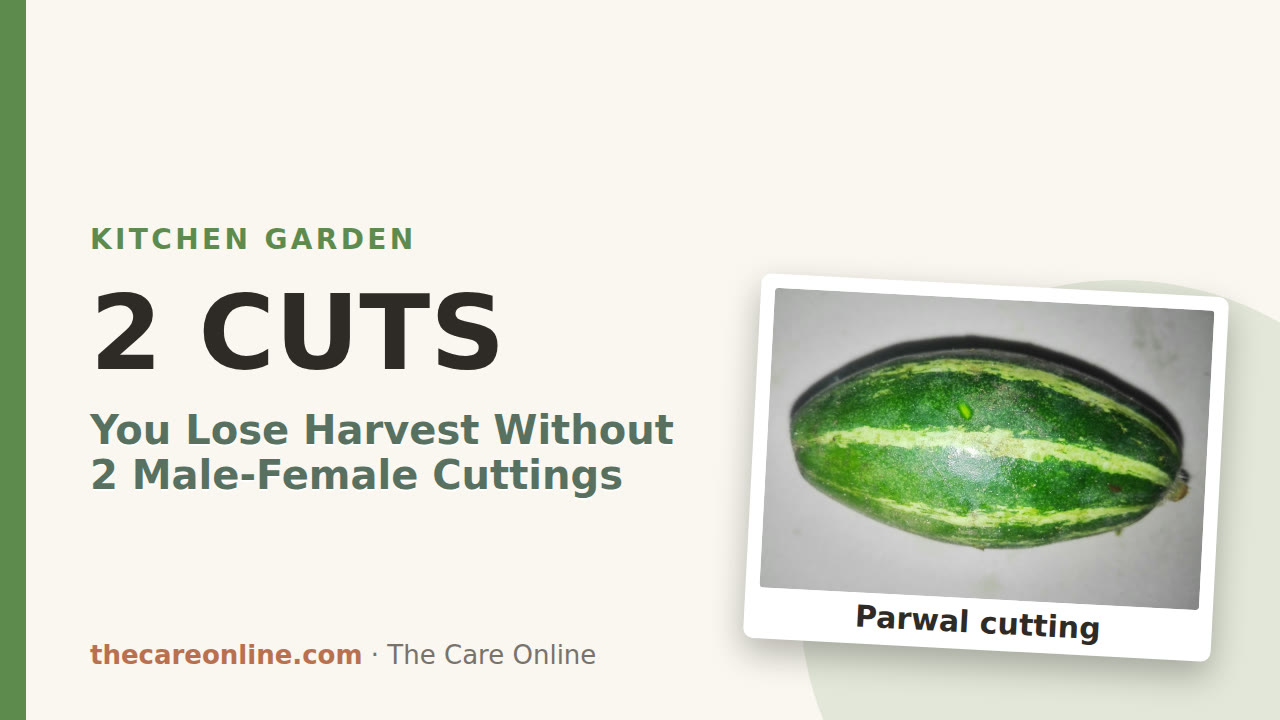
How to Grow Parwal (Pointed Gourd): Male and Female Cuttings
 Kitchen Garden
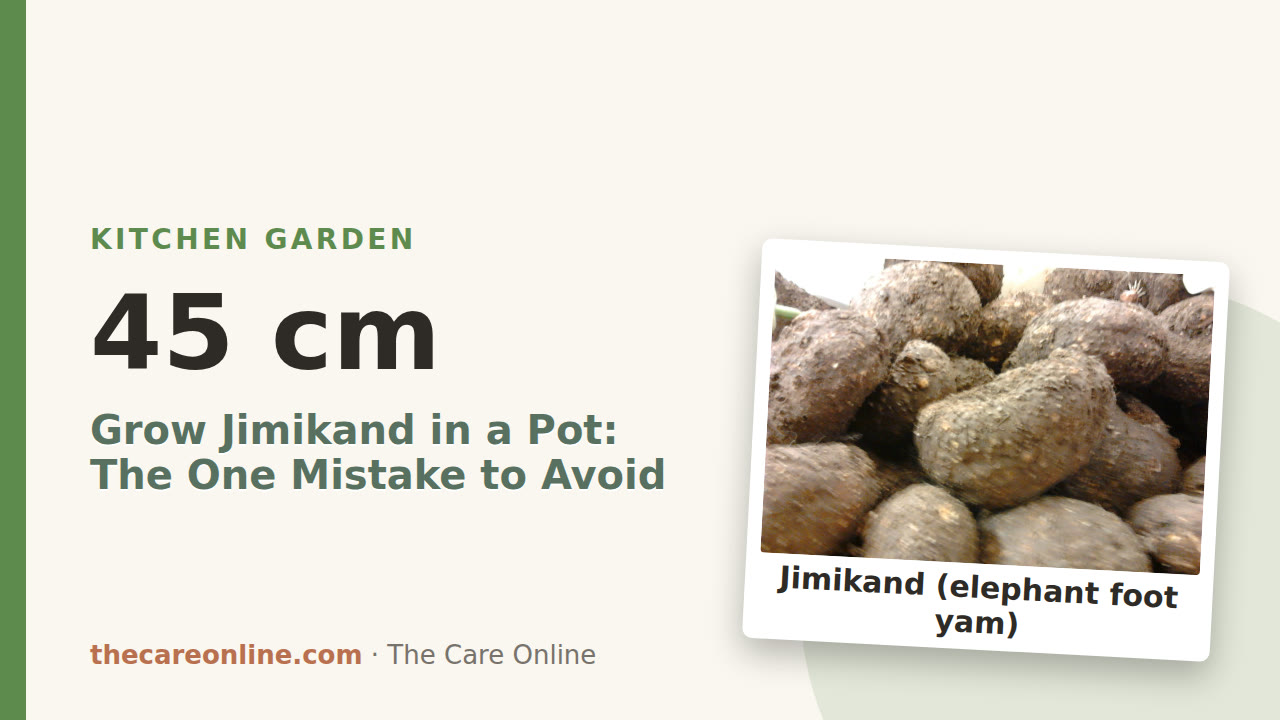
How to Grow Elephant Foot Yam (Jimikand) in a Deep Pot or Bed
 Kitchen Garden
Drip Irrigation for Pots on a Rooftop: Tank, Kit and Timer
 Kitchen Garden
How to Grow Snake Gourd (Chichinda) Straight on a Rooftop Frame
 Kitchen Garden
Shade Net for Plants: 35, 50 or 75 Percent for a Hot Summer?
 Kitchen Garden