How to Grow Amaranth Greens (Chaulai) in Pots All Summer (Video)
Read the full written guide: How to Grow Amaranth Greens (Chaulai) in Pots All Summer →
Palak bolts in the April heat, but amaranth greens, chaulai, thrive at 40°C. This video walks you through growing them in pots on your roof or balcony, from sowing those tiny seeds to cutting them for a summer of fresh saag.
You'll learn the key sowing mistakes to avoid, the ten-centimetre cut that gives you multiple harvests, how to water and feed for tender leaves, and the one mistake that turns your greens tough and bitter. Plus, red versus green varieties, common pests, and when to harvest.
Show the full transcript
Transcript
What leafy green actually loves 40°C heat?
What leafy green actually loves 40°C heat?
Amaranth Greens All Summer
Stay for the one green that keeps growing when palak bolts in the heat.
40°C Heat? No Problem
Here's the thing. Most saag wilts and bolts when summer hits. Palak runs to seed the moment April turns hot. But amaranth, chaulai, is genuinely happy at forty degrees. That's why it's the summer workhorse of the kitchen garden. Think about it. It sprouts in days and gives fresh greens when nothing else will.
Sow When Nights Stay Warm
So when do you sow? Simple rule, whenever nights stay above about fifteen degrees. In Lahore, that's mid March onward. In Multan, you can start earlier, then pause for the worst of June. Monsoon sowings grow fast but need good drainage, because seedlings rot in soggy pots. In Karachi, sow almost year round except the coolest weeks. Frost kills it, so the plains season ends by October.
The Seed Sowing Mistake
Now, the part most people miss. Amaranth seeds are tiny, about the size of rai, so burying them too deep or sowing too thickly fails. Here's what works. Fill a wide tub with two parts soil, one part compost, one part cocopeat. Mix a quarter teaspoon of seed with two spoons of dry sand, scatter it evenly, dust a thin layer of compost, press lightly, and mist. A strong jet just washes them away.
The Ten Centimetre Cut
This is the trick that changes everything. When plants reach about twenty to twenty-five centimetres, don't uproot them. Cut each stem about ten centimetres above the soil, right above a pair of leaves. New shoots sprout from those leaf joints, giving you two or three more cuttings. Does it actually work? Absolutely. Pro move, sow a fresh tub every two to three weeks, so one is always ready.
Water Daily in Summer
Shallow tubs dry out fast, so from April to June, water every single day, early morning. On forty-five degree days, give a second light watering if leaves droop by afternoon. In monsoon, hold back, only water when the top inch is dry. Chaulai copes with dry spells better than palak, but stressed plants bolt to flower, and leaves turn tough and bitter. Keep it consistently moist, not soggy.
Feed It Nitrogen
Since you're growing this for leaves, amaranth genuinely loves nitrogen. The compost mixed in at sowing covers the first cut. After every cut, scatter a handful of compost or vermicompost on the surface and water it in. If using bagged feed, go balanced or nitrogen-leaning, at half the label rate, every two weeks. Don't overdo it, leafy greens store excess nitrate when overfed, so keep feeding modest.
Yellow Leaves? Check Pests
If leaves turn yellow, check pests. Caterpillars, especially leaf webbers, fold leaves together and hide inside, so unroll and squash them. Aphids gather under leaves in dry heat, a water spray handles them. Spider mites leave fine yellow speckles and webbing, so hose the undersides. Since you eat these leaves within days, stick to water sprays, hand picking, and neem. Anything stronger has a waiting period that's not worth it.
Red or Green? Your Call
Red or green chaulai? Both grow exactly the same way. Red types look gorgeous in a mixed tub and tint the cooking water pink. Green types often have softer, bigger leaves. If one goes bitter fast in your heat, try the other next sowing. Grain amaranth, rajgira, is a different crop grown for seed, needing a long season and lots of space. For quick greens, stick with leafy types.
Harvest Before Flowers Form
The biggest harvest mistake is waiting too long. Start cutting when plants are knee to calf high, and leaves tear easily, usually three to six weeks after sowing. The moment you see a flower tassel forming, that's your deadline. Once it flowers, leaves shrink, toughen, and turn bitter. Harvest in the cool morning, keep stems in water or a damp cloth, and cook within two days.
The One Green for Summer
So, is it worth growing? Absolutely. This is the one green that covers the summer gap when nothing else leafy will grow. For a beginner, it's a quick win like methi, and failures cost a pinch of seed. Wet pots get heavy, so keep larger tubs near walls. And a caution, wild pigweed looks similar, so eat only what you sowed in clean soil. Leafy amaranth is high in oxalate, so ask your doctor how often is fine.
Like, subscribe and comment
Like, subscribe, and share your own experience in the comments below.
Read the full guide
The full guide is on thecareonline.com. General information only, so check with your doctor for your own case.
More videos
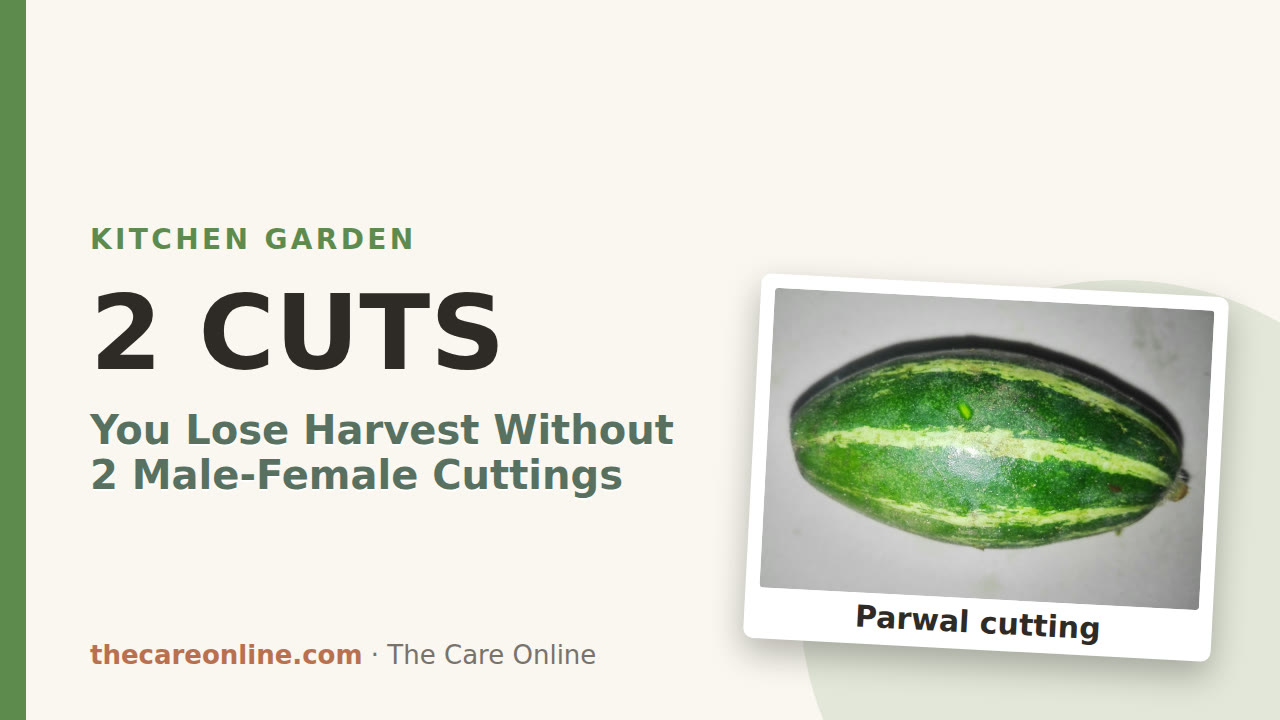 Kitchen Garden
How to Grow Parwal (Pointed Gourd): Male and Female Cuttings
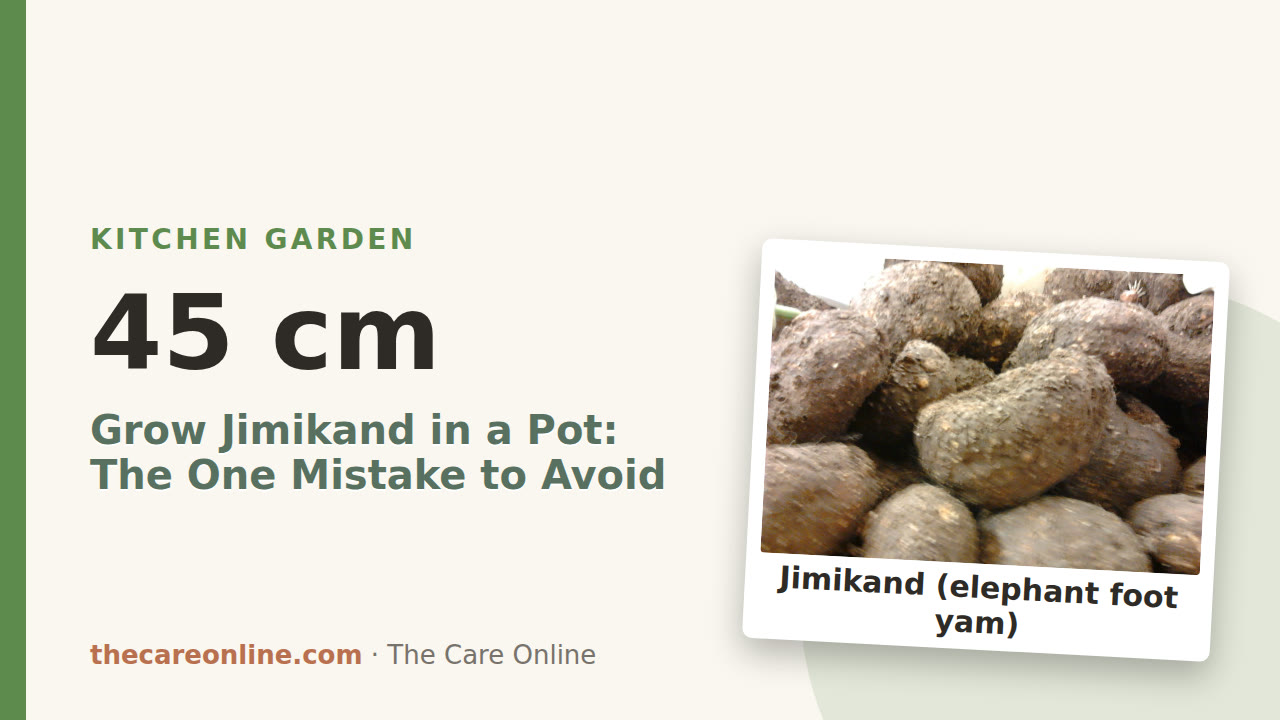 Kitchen Garden
How to Grow Elephant Foot Yam (Jimikand) in a Deep Pot or Bed
 Kitchen Garden
How to Grow Ash Gourd (Petha): Space, Sowing Months and Harvest
 Kitchen Garden
Drip Irrigation for Pots on a Rooftop: Tank, Kit and Timer
 Kitchen Garden
How to Grow Snake Gourd (Chichinda) Straight on a Rooftop Frame
 Kitchen Garden