How to Grow Bok Choy (Pak Choi) in Pots Without Bolting (Video)
Read the full written guide: How to Grow Bok Choy (Pak Choi) in Pots Without Bolting →
how to grow bok choy in pots prevent bolting winter bok choy Learn the simple steps to grow crisp bok choy on a balcony or small garden pot, even when winter bites. We cover the right timing, a light soil mix, careful watering, and the single trick that keeps the plants from bolting. Follow the guide and enjoy fresh, tender greens all season. If this is persistent or affecting your daily life, see a doctor.
Show the full transcript
Transcript
Can you grow bok choy in a 20 cm pot without bolting?
Can you grow bok choy in a 20 cm pot without bolting?
Bok Choy in Pots
Want crisp bok choy in a small balcony pot without it bolting? Stick around and I’ll reveal the single trick you need at the end. We'll cover timing, soil mix, watering, and how to spot the early signs of stress, so you can harvest fresh greens all winter long.
Why it bolts
Bok choy is a close cousin of turnip and mustard greens, and it’s hard-wired to bolt when it feels stressed. Heat, dry soil, or suddenly lengthening days send a signal that it’s time to go to seed. Once the flower stalk shoots up, the leaves turn tough and bitter, ruining the texture we love.
When to sow
The key is to sow in the cooler months. In Karachi’s coastal climate, aim for November to January; in the plains of Lahore and Delhi, October to December works best. Up north in Islamabad and Peshawar, a late-September start gives the plants a chance before the heat hits. This window keeps the stress triggers at bay.
The February trap
If you miss the autumn window and sow in February, the seedlings may look fine for a few weeks, but as days get longer and temperatures climb, the plants bolt almost overnight. The trick is either to pick a bolt-resistant variety or to harvest the baby leaves at four weeks instead of waiting for full heads.
Pot depth needed
Give the roots room to breathe, a pot at least twenty centimeters deep, roughly eight to ten inches, is ideal. That depth lets the plant develop a strong root system, which in turn helps it stay cool and moist, delaying the urge to bolt.
Sowing in pots
Direct sowing works best. Fill a 20-centimeter-deep container with a mix of two parts good garden soil, one part compost, and one part cocopeat. Drop the seeds about one to two centimeters deep, spacing them eight to ten centimeters apart for baby leaves or twenty to twenty-five centimeters for full heads. Water gently and keep the mix moist; seedlings usually pop up in four to seven days.
Care till harvest
Moisture is everything, water every two to three days in winter, and daily when it gets warm. A nitrogen-rich feed keeps the leaves tender; mix compost into the pot before sowing and add another boost a few weeks after germination. Aim for four to six hours of sunlight, preferably morning light on a balcony.
Harvest tips
You can start snipping outer baby leaves after about a month, the centre keeps producing for weeks. If you wait for a full head, look for a compact, firm plant with thick white or pale-green stems, usually around forty-five to seventy-five days. Harvest the whole plant as soon as you see buds forming; those tender flower stems are perfect for stir-fries.
The one trick to stop bolting
Here’s the single most useful tip: plant your bok choy in the autumn window, from October to December, and pick a variety labeled bolt-resistant if you’re sowing later. Then, instead of waiting for a big head, harvest the baby leaves at the four-week mark. This timing sidesteps the heat and day-length cues that trigger bolting, giving you crisp, sweet greens every time.
Like, subscribe and comment
Useful? Like and subscribe, and tell us in the comments what we should check next.
Read the full guide
Read the complete guide on thecareonline.com. This is general information, not medical advice.
More videos
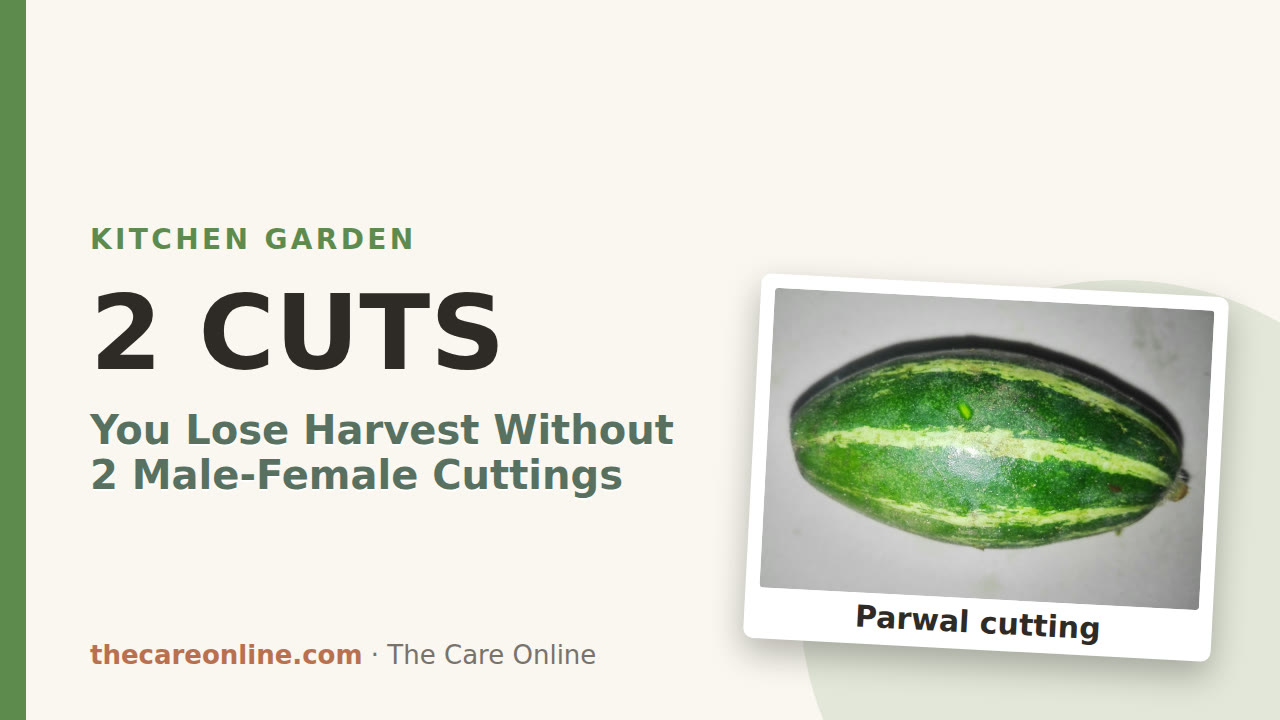 Kitchen Garden
How to Grow Parwal (Pointed Gourd): Male and Female Cuttings
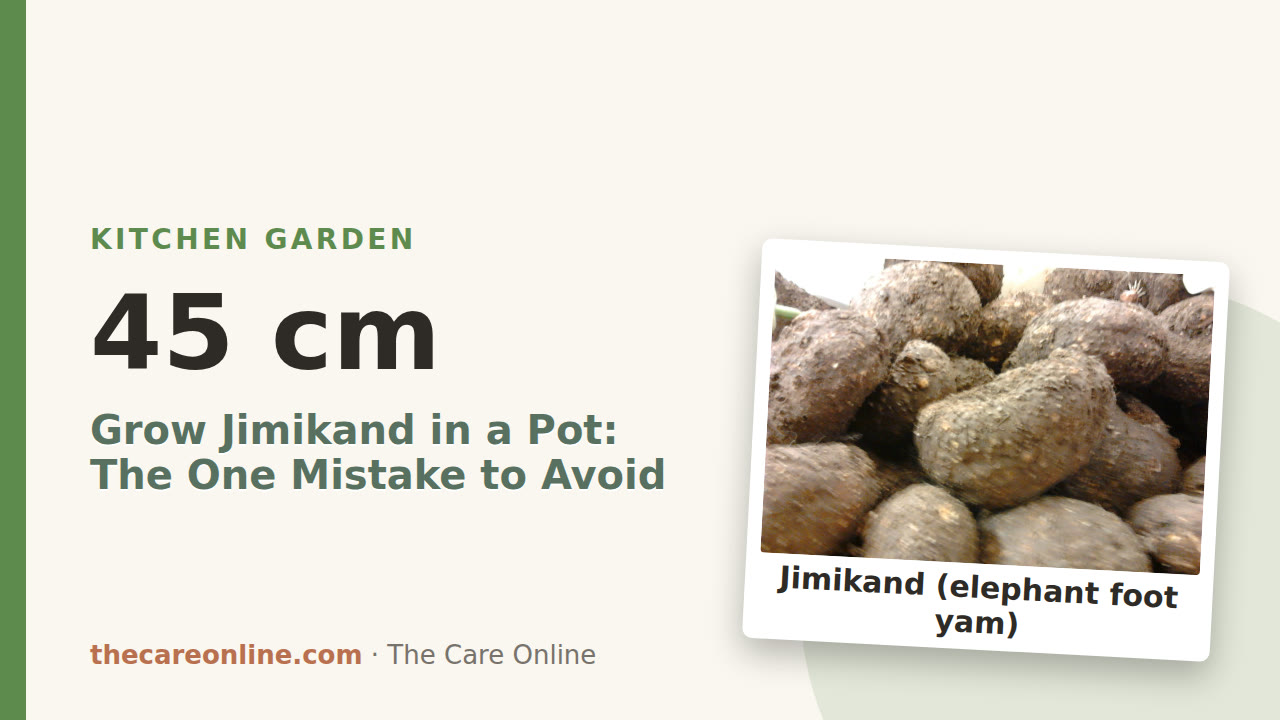 Kitchen Garden
How to Grow Elephant Foot Yam (Jimikand) in a Deep Pot or Bed
 Kitchen Garden
Drip Irrigation for Pots on a Rooftop: Tank, Kit and Timer
 Kitchen Garden
How to Grow Snake Gourd (Chichinda) Straight on a Rooftop Frame
 Kitchen Garden
Shade Net for Plants: 35, 50 or 75 Percent for a Hot Summer?
 Kitchen Garden