Freezing Seasonal Produce: Mango, Peas, Tomatoes & Greens (Video)
Read the full written guide: Freezing Seasonal Produce: Mango Pulp, Peas, Tomatoes and Greens →
Learn how to keep summer mangoes, winter peas, tomatoes and leafy greens fresh for months using simple blanching and proper freezer techniques. The guide covers step-by-step methods, storage tips, and safety reminders so you can enjoy seasonal flavors all year round. These practical habits help you reduce waste, save money and have ready-to-cook ingredients on hand. No medical advice, just kitchen wisdom.
Show the full transcript
Transcript
Smart Freezer Hacks
Ever wonder how to keep summer mangoes and winter peas fresh all year? The freezer can be your secret weapon.
Why Freeze Seasonal Harvest
When mangoes are cheap in winter and peas pile up in June, the freezer becomes the smartest shelf in the kitchen. A quick blanch, an ice bath, then flat-pack, and you’ll have tasty veggies for eight to twelve months.
At a Glance
Here’s the quick reference. Keep the freezer at minus eighteen degrees or colder. Most veggies need a brief blanch; mango pulp, tomatoes, capsicum, onions and green chillies skip it. Pack in thick zip bags, press out the air, label with name and date. Cucumber, lettuce, raw radish, raw potato and whole watermelon don’t freeze well.
Why Blanching Matters
Blanching is dipping veg in boiling water for a minute or two, then shocking it in ice water. It stops the natural enzymes that would otherwise fade colour, toughen texture and create off-flavours. A short blanch also brightens colour and softens leafy greens, making them pack down small.
Freezing pauses bacteria. It doesn’t kill most of them. Freeze food at its freshest, never to rescue it.
Blanch Times for Veggies
Start timing when the water returns to a boil after you add the veg. Use at least four litres of water per half-kilogram so the temperature stays steady. Peas need about one and a half minutes, leafy greens two minutes, broccoli or cauliflower three minutes, and green beans three minutes as well. At minus eighteen degrees, quality stays good for eight to twelve months.
Freezing Peas & Greens
Bring a big pot of water to a rolling boil, and have a bowl of ice water ready. Add up to five hundred grams of shelled peas or cleaned greens, cover and start the timer when the boil returns. Scoop them out with a slotted spoon straight into the ice water and chill for the same time. Drain well, pat dry on a clean towel, then spread flat in a bag, leaving two centimetres of headroom.
Freezing Mango Pulp
Wash the mangoes, dry them, peel and cut the flesh away from the stone. Blend until smooth, three medium mangoes give about five hundred millilitres of pulp. Sugar is optional; a teaspoon of lemon juice per half-litre helps keep the colour. Pour into small boxes or bags in quarter-litre portions, leaving a little space at the top. You can also tray-freeze cubes for later smoothies.
Freezing Tomatoes
Wash, dry and remove the green stem spot. Freeze whole tomatoes on a tray, then bag them. When you need one, run it under warm water for ten seconds and the skin will slip off. Or blend into a puree, cook it down for ten minutes if you like it thicker, cool and freeze in quarter-litre portions or ice-cube trays. Use within six to eight months for the best taste.
Fridge Storage Before Freezing
Not everything needs the freezer right away. Carrots, cabbage and beetroot can last two to three weeks in the crisper. Broccoli and cauliflower stay about a week if wrapped loosely. Greens keep three to five days, longer in a box lined with a dry cloth. Keep vegetables unwashed until you’re ready to use them, because surface water speeds rot. Keep them away from bananas and apples, which release ethylene and speed decay.
Foods That Don’t Freeze Well
Cucumber, lettuce, raw radish and salad leaves are mostly water, so they turn limp and slimy. Raw potatoes go dark and grainy; par-boiled chips or cooked potatoes freeze better. Watermelon’s texture collapses, frozen cubes are fine for drinks but not for slices. Whole citrus fruits don’t freeze well; the juice does.
Spotting Freezer Burn
Freezer burn looks like dry, grey-white or brownish leathery patches, often with ice crystals inside the bag. It happens when air reaches the food and pulls water out. It’s safe to eat, but the flavour is flat and the texture woody. Trim the patches before cooking. If a whole bag looks pale and shrivelled, use it in a soup or khichdi where texture matters less.
Power Cuts & Freezer
A full freezer that stays closed keeps food frozen for about forty-eight hours; a half-full one about twenty-four. Keep the door shut as much as possible. If the food still has ice crystals or feels fridge-cold when power returns, you can refreeze it, though quality may drop. If it’s been warm for more than two hours, it’s safest to discard it.
Surprising Facts
Frozen peas often taste sweeter than fresh market peas bought a few days after picking, because the sugars concentrate as they age. Water expands by roughly nine percent when it freezes, which can crack a tightly sealed lid on a full box of mango pulp.
Safety Tips
Never freeze garlic or herbs in oil at room temperature and then leave them out after thawing; garlic in oil must stay refrigerated and be used within four days, or kept frozen, to avoid botulism risk. Don’t refreeze food that has fully thawed and warmed up. Thaw in the fridge, not on the counter. For babies under one year, freeze purees plain, with no added sugar or salt, and use them within a month. If anything smells sour or fizzy after thawing, toss it.
Thanks for Watching
If you found these tips useful, check out the full post on thecareonline.com. Remember, this is kitchen advice, not medical guidance.
More videos
 Fruits & Vegetables
Pumpkin Flowers (Kaddu ke Phool): Pakode and Which to Pick
 Fruits & Vegetables
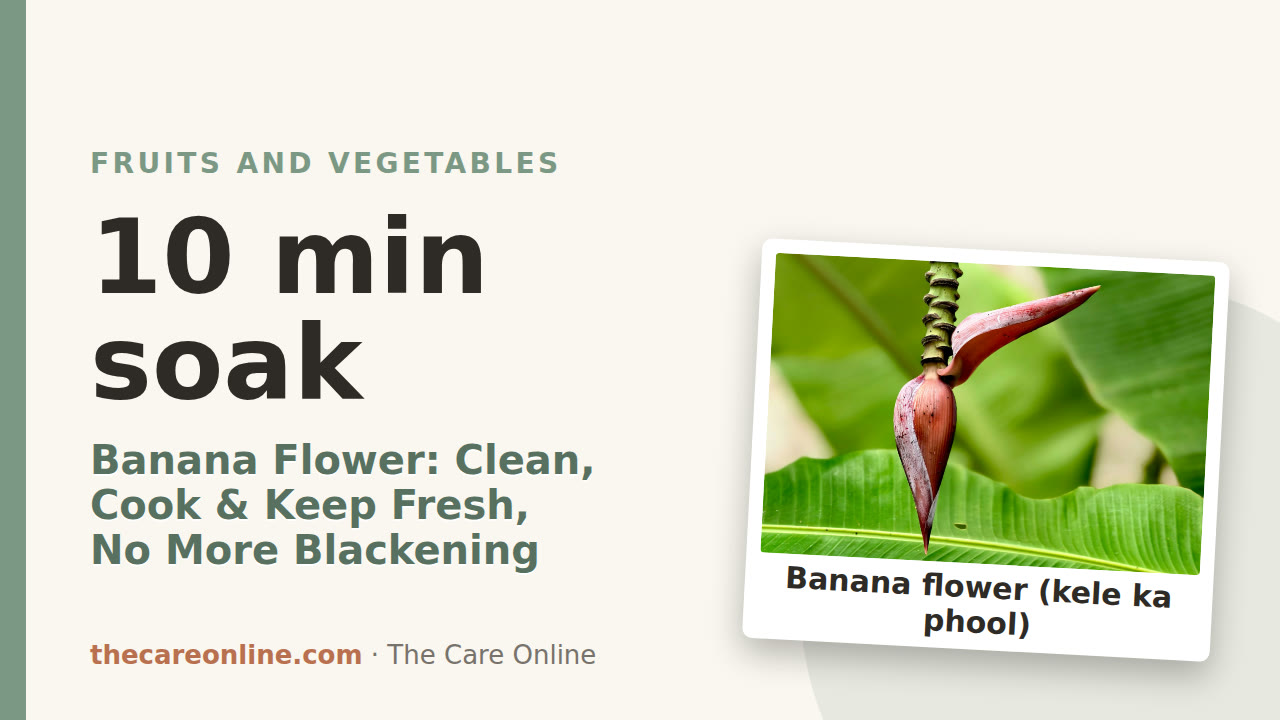
Banana Flower (Kele ka Phool): How to Clean, Cut and Cook It
 Fruits & Vegetables
Cucumber Peel (Kheere Ka Chilka): Eat or Peel? Wax and Bitterness
 Fruits & Vegetables
Vitamin D From Mushrooms in the Sun: Khumbi Trick That Works
 Fruits & Vegetables
Broccoli Sulforaphane and Gobi: Chop, Wait, Add Rai (Mustard)
 Fruits & Vegetables