Does the desi diet really feed your gut? Dal, sabzi, and dahi, honestly (Video)
Wondering if your everyday desi meals actually help your gut? This video breaks down the honest truth about dal, sabzi, and dahi. You'll learn why these foods matter for your digestion, why homemade dahi beats store-bought yogurt, and the one mistake most people make with ispaghol.
We cover practical ways to add more fiber to your meals, what timeline to expect for real changes, and who should be careful with these foods. No miracle claims, just honest, practical guidance for anyone who wants to eat better without overhauling their entire kitchen.
Show the full transcript
Transcript
Does dal actually feed your gut? The honest answer might surprise you.
Does dal actually feed your gut? The honest answer might surprise you.
Desi Diet & Your Gut
Stay for the one mistake most people make with ispaghol.
Dal, Sabzi, Dahi
Here's the thing. The desi diet has more going for your gut than people give it credit for. Dal is rich in fiber and resistant starch, which feed the good bacteria in your colon. Sabzi adds diverse plant fibers for microbial variety. And dahi? It's got live cultures, real probiotics. That's the foundation.
Homemade Beats Store-Bought
Now, the part most people miss. Not all dahi is created equal. Store-bought sweetened yogurts often have very few live bacteria left. Homemade dahi, the kind your ammi makes, usually has way more active cultures. Fresh lassi made at home is another easy way to get probiotics in. Skip the sugary commercial versions.
One Teaspoon to Start
Here's a number worth remembering. One teaspoon. That's where you start with ispaghol, the psyllium husk powder. Mix it into a glass of water at night. But here's the catch. You've got to drink plenty of water with it, or it can backfire. More on that in a minute. It sounds simple, but it matters.
Start With What You Eat
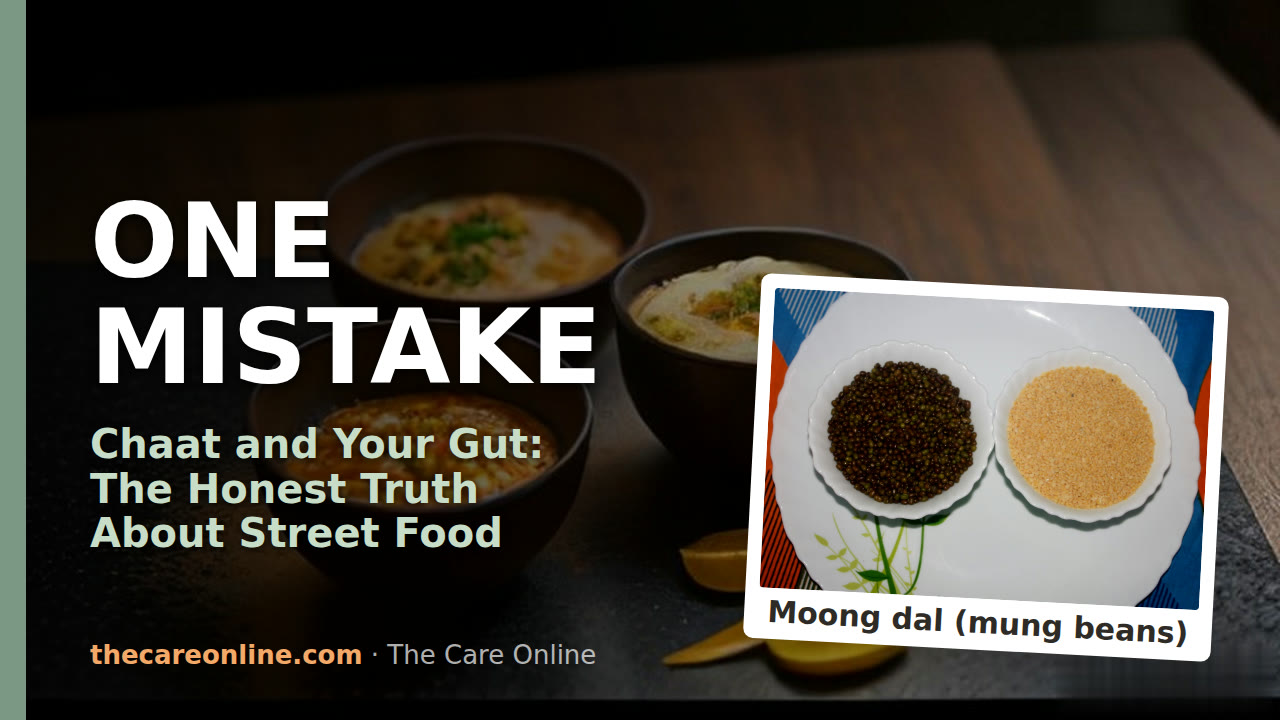
The easiest way to do this? Start with what you already eat. Have a bowl of dal most days, with rice or roti. Mix up your lentils: moong, masoor, chana, toor. Each brings different fibers. Add colorful sabzi at lunch and dinner. And if you tolerate dairy, a small bowl of homemade dahi daily does wonders.
What to Expect
What does all this actually do? Fiber from dal and sabzi keeps things moving and prevents constipation. Probiotics from dahi support a healthy balance of gut bacteria, especially after antibiotics, though talk to your doctor. Many people notice less bloating within a week or two. Meaningful shifts in gut bacteria take several weeks to months. Be patient.
Who Should Be Careful
Now, the honest limits. If you have IBS or FODMAP sensitivities, introduce high-fiber foods gradually. Histamine intolerance? Fermented foods like dahi and achaar might trigger you. Diabetics should watch portions of dal and rice. Pregnant women should avoid unpasteurized fermented products. Go slow, listen to your body. Everyone's gut is different, so pay attention to yours.
Red Flags
And if you have severe pain, blood in your stool, or unexplained weight loss, see a real doctor. Ongoing digestive trouble too. This isn't a blog post fix. Some things need a professional. Don't wait it out if something feels seriously wrong. Your health comes first. Better safe than sorry, always. That's the honest truth.
The one mistake with ispaghol
Remember that teaspoon of ispaghol? Here's the one mistake most people make. They take it without enough water. Ispaghol swells up in your gut. Without sufficient water, it can cause bloating or even blockages. So always drink a full glass, and plenty more through the day. That one habit makes all the difference.
Like, subscribe and comment
Like, subscribe, and share your own experience in the comments below.
Read the full guide
The full guide is on thecareonline.com. General information only, so check with your doctor for your own case.
More videos
 Gut Health: Probiotics & Prebiotics
Shift Work, Odd Mealtimes, and Your Gut: A Practical Desi Guide
 Gut Health: Probiotics & Prebiotics
Can You Eat Too Much Dahi? What Happens When Probiotics Overload
 Gut Health: Probiotics & Prebiotics
Post-Typhoid Gut Recovery: What Actually Helps (and How Long It Takes)
 Gut Health: Probiotics & Prebiotics
Traveller’s Diarrhea in Pakistan: A Practical Gut Guide for Desi Families
 Gut Health: Probiotics & Prebiotics
Ramadan and Your Gut: What Fasting Really Does to Your Microbiome
 Gut Health: Probiotics & Prebiotics