Chaat and Street Food: What It Really Does to Your Gut (And How to Enjoy It Wisely) (Video)
Love chaat but worried about your gut? This video breaks down what street food really does to your digestion, and how to enjoy it without the aftermath. Learn why fresh dahi helps, how ispaghol can work in 24-48 hours, and the one mistake most people make that turns a helpful habit harmful.
We cover practical tips for choosing the right stalls, timing your chaat wisely, and knowing when to see a doctor. Whether you're a parent or just someone who loves Indian street food, you'll walk away with actionable habits you can use today. Friendly practical advice, not medical guidance.
Show the full transcript
Transcript
Why does ispaghol sometimes cause more harm than good? Stay for the one mistake.
Why does ispaghol sometimes cause more harm than good? Stay for the one mistake.
Chaat & Your Gut
Here's the short, honest answer, and one tip most people miss.
What chaat does to your gut
Here's the thing. Chaat mixes fried papdi, tangy imli, spicy chutney, and cooling dahi. Your gut gets the whole package: heavy fried bits, sugar, salt, and sometimes unclean water or unwashed greens. It's the combination, not one ingredient, that hits your system.
Homemade beats street vendor
And this is where it gets interesting. When you make chaat at home, you control oil quality, freshness, and portion size. Commercial vendors often reuse oil and prep hours ahead. Think about it. Would you rather have dahi that's been sitting out, or fresh from your own fridge?
Choose fresh, eat early
So what should you do? Pick stalls where dahi stays cold and chutneys are made daily. Keep chaat as an occasional treat, once or twice a week, not daily. Eat it earlier in the day, not late at night. If you're prone to bloating, choose dahi-based over dry fried.
Ispaghol works in 24-48 hours
What surprised me is how quickly ispaghol can work. With plenty of water, it softens stool and supports bowel movement within 24 to 48 hours. Not instant, but fast enough to notice. Just remember, water is non-negotiable. Without it, you're asking for trouble.
Dahi, lassi, and dal help
Fresh dahi and homemade lassi support gut comfort because they carry live cultures. They can ease mild bloating after heavy meals. Dal, especially moong dal, is easy on the stomach and feeds good bacteria over days to weeks. Achaar helps too, but keep it small, it's salty and oily.
Who should be careful
Be careful if you have IBS, acid reflux, or you're pregnant. Spicy, oily chaat can trigger symptoms. Kids under five and older adults should avoid very spicy or reheated items. If you get severe cramps, vomiting, or diarrhea after street food, that's a possible foodborne issue. See a doctor promptly.
When to see a doctor
Here's a useful rule of thumb. If bloating or irregularity persists beyond two weeks despite your adjustments, that's your cue to seek real medical advice. Don't push through it, and don't self-diagnose. A persistent gut issue deserves a professional's eyes, not another blog post. Your body's telling you something, so listen to it.
The one mistake to avoid
Now, the one mistake most people make with ispaghol is taking it without enough water. It can swell and cause blockages instead of helping. Always mix it with a full glass of water, and give it time to work. That's the simplest way to keep a helpful habit from turning painful.
Like, subscribe and comment
Like, subscribe, and share your own experience in the comments below.
Read the full guide
Read the complete guide on thecareonline.com. This is general information, not medical advice.
More videos
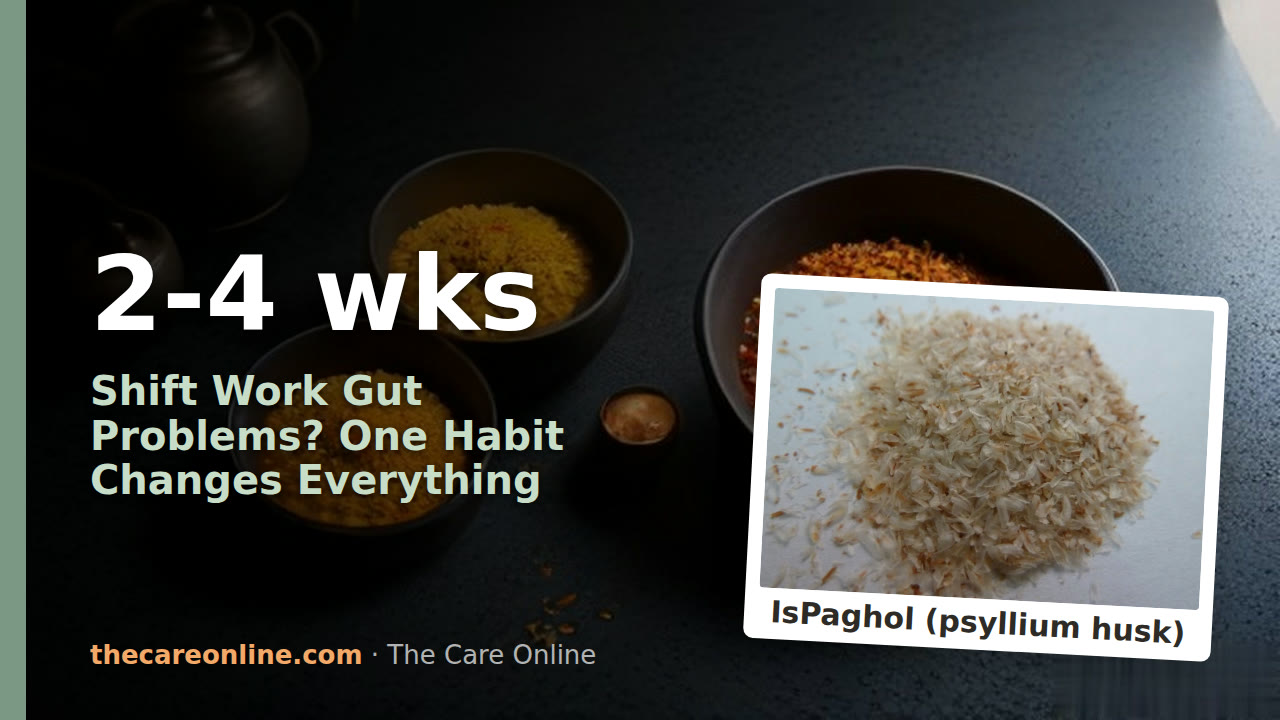 Gut Health: Probiotics & Prebiotics
Shift Work, Odd Mealtimes, and Your Gut: A Practical Desi Guide
 Gut Health: Probiotics & Prebiotics
Can You Eat Too Much Dahi? What Happens When Probiotics Overload
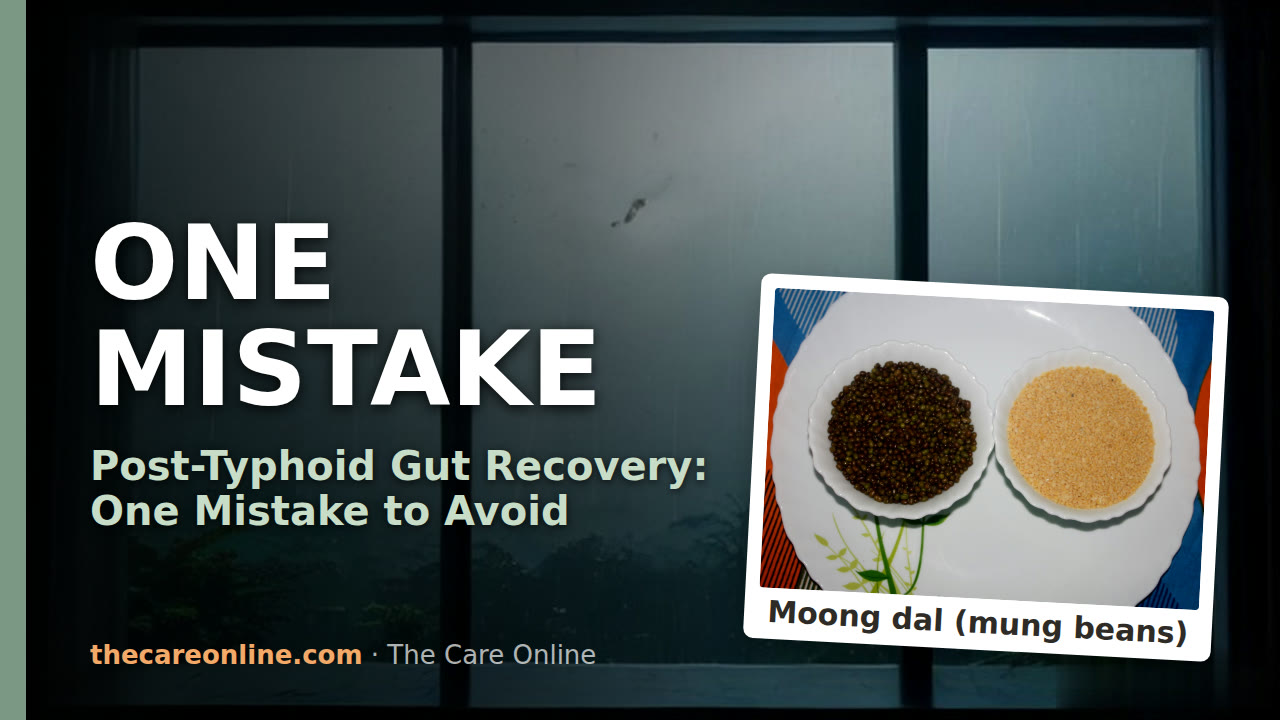 Gut Health: Probiotics & Prebiotics
Post-Typhoid Gut Recovery: What Actually Helps (and How Long It Takes)
 Gut Health: Probiotics & Prebiotics
Traveller’s Diarrhea in Pakistan: A Practical Gut Guide for Desi Families
 Gut Health: Probiotics & Prebiotics
Ramadan and Your Gut: What Fasting Really Does to Your Microbiome
 Gut Health: Probiotics & Prebiotics