Constipation during Ramadan: Why your gut slows down and what actually helps (desi edition) (Video)
Ramadan changes your meal timing, hydration, and fiber intake all at once, so it's no surprise your gut gets sluggish. This video breaks down why constipation happens and what actually helps, using simple desi staples like dahi, lassi, dal, and ispaghol.
You'll learn practical habits you can start tonight, what to expect in terms of timing, and the one mistake most people make with ispaghol. Honest, no miracle claims, just real tips for Pakistani and Indian readers. Remember, this isn't medical advice; see a doctor for persistent or serious issues.
Show the full transcript
Transcript
Why does your gut get sluggish every single Ramadan?
Why does your gut get sluggish every single Ramadan?
Ramadan Gut Troubles?
Stay for the one mistake most people make with ispaghol.
Why your gut slows down
Here's the thing. Ramadan hits your gut from three directions. You're drinking less water during daylight, eating big meals in a short window, and leaning on more fried food with fewer fiber-rich vegetables. Your bathroom habits follow meal times, so when those shift, everything shifts. No wonder things slow.
Glasses of water between meals
Between iftar and suhoor, aim for six to eight glasses of water, but spread them out through the evening, don't chug them at once. Think watering a plant slowly, not drowning it. Small sips after breaking your fast and before dawn keep your gut moving without overwhelming your system.
Dahi and lassi help
Now, here's the part most people miss. Some desi staples are genuinely helpful. A small bowl of dahi with iftar, or a glass of lassi, brings live cultures that support digestion and helps you rehydrate. It's not a miracle cure, but it's a simple habit your nani would approve of.
Dal and vegetables for fiber
Keep dal in your rotation at least every other day, and add a vegetable to at least one meal. Lentils bring soluble fiber, which gives your gut the raw material it needs to move things along. You don't need exotic superfoods, just the humble staples already in your kadhai and pantry. Sound doable?
How to use ispaghol
For ispaghol, the common approach is one teaspoon of husk mixed in a glass of water or lassi, taken after iftar or before suhoor. But start with half that for the first few days. It's soluble fiber, so it needs water to work. Drink plenty alongside it, or it can make things worse.
Until you notice improvement
Realistically, you might notice improvement within two to four days if you're consistent. But does it actually work? It's not instant, and it won't undo weeks of poor choices overnight. This helps with occasional constipation, hard stools, and that feeling of incomplete emptying. What it won't do is fix chronic constipation that needs a doctor.
Cautions for certain people
A few cautions. Children, pregnant women, and older adults should be careful with fiber supplements like ispaghol. Always start small and drink plenty of water with it. People with diabetes should watch lassi and sweetened dahi, and if you have kidney issues, check with your doctor before adding psyllium.
The one mistake with ispaghol
And this is where it gets interesting. Ispaghol can interfere with some medications, so take it two hours apart from anything else you swallow. And if you ever get severe abdominal pain, blood in stool, or no bowel movement for over a week, skip home remedies and see a doctor.
Like, subscribe and comment
Useful? Like and subscribe, and tell us in the comments what we should check next.
Read the full guide
The full guide is on thecareonline.com. General information only, so check with your doctor for your own case.
More videos
 Gut Health: Probiotics & Prebiotics
Shift Work, Odd Mealtimes, and Your Gut: A Practical Desi Guide
 Gut Health: Probiotics & Prebiotics
Can You Eat Too Much Dahi? What Happens When Probiotics Overload
 Gut Health: Probiotics & Prebiotics
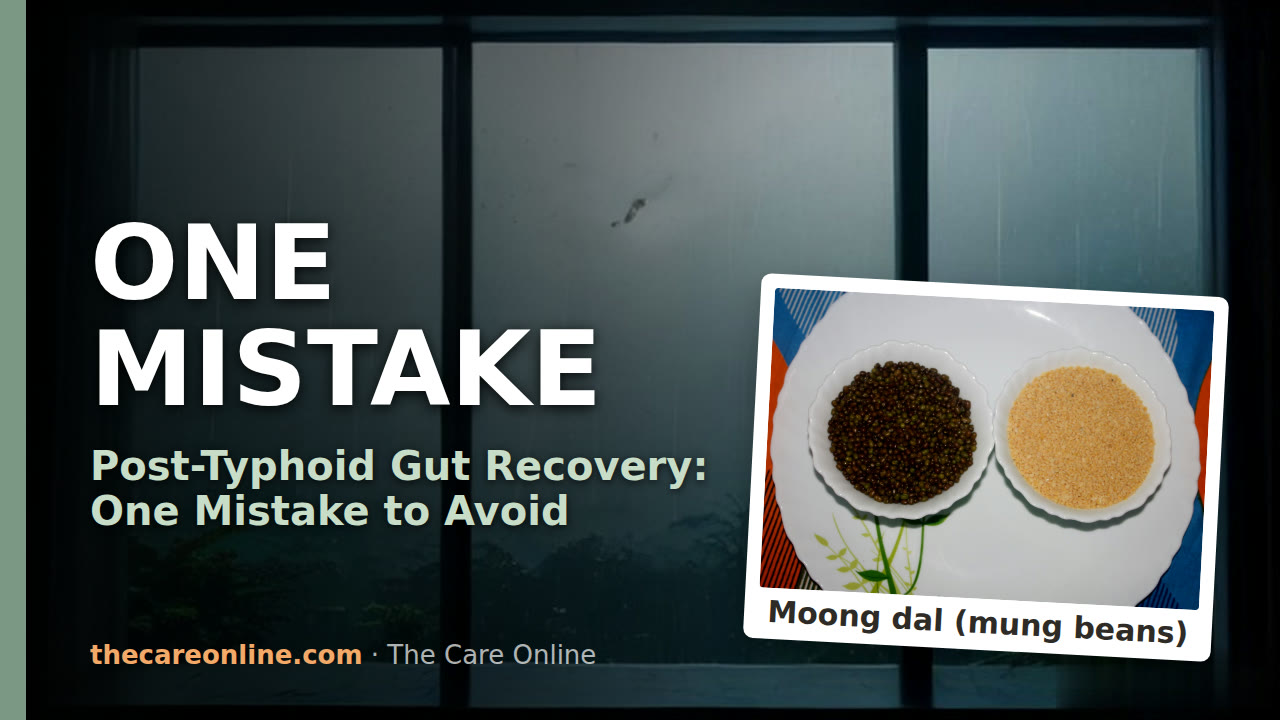
Post-Typhoid Gut Recovery: What Actually Helps (and How Long It Takes)
 Gut Health: Probiotics & Prebiotics
Traveller’s Diarrhea in Pakistan: A Practical Gut Guide for Desi Families
 Gut Health: Probiotics & Prebiotics
Ramadan and Your Gut: What Fasting Really Does to Your Microbiome
 Gut Health: Probiotics & Prebiotics