Taming Agathi Bitterness: Quick Cooking Tips & Surprising Fact (Video)
Read the full written guide: Agathi Keerai Benefits and How to Cook Leaves and Flowers →
Discover how to choose, clean, and cook agathi leaves and flowers so they lose their harsh bite and become a tasty side dish. The video walks you through a simple stir-fry and the key trick that makes the greens pleasant to eat.
We also share quick nutrition highlights and storage tips, all presented as everyday cooking advice, not medical guidance.
Show the full transcript
Transcript
Ever wonder how to tame the bitterness of agathi leaves?
Ever wonder how to tame the bitterness of agathi leaves?
Agathi: Quick Bitter-Taming Trick
Learn the quick trick to make agathi leaves delicious, plus a surprise tip at the end.
Choosing fresh agathi
Agathi blooms year-round in warm climates, but the best leaves appear from October to February. Choose bright, even green leaflets; give the bunch a gentle shake, fresh ones stay attached. The main stalk should snap, and pick firm buds without brown edges for cooking.
Prep leaves & flowers
Strip leaflets from stalks with your fingers, toss tough stems. Wash leaves in a bowl, lift out, repeat twice, then rinse and drain. Chop coarsely. For flowers, peel back the calyx and pull out the central stalk with pollen threads so they're ready for the pan.
Typical stir-fry time
A typical agathi poriyal cooks in about six to eight minutes, keeping the leaves bright and tender while the coconut and spices meld for a flavorful side dish.
Quick agathi poriyal
Heat coconut oil, pop mustard seeds, urad dal and a dried chilli. Add onion, sauté two minutes, then stir in the cleaned leaves with a pinch of salt. Cover and simmer six to eight minutes, finish with grated coconut and serve.
Nutritional snapshot
Agathi leaves are low-calorie dark greens packed with vitamin A, vitamin C, folate, calcium and fiber, plus a little iron and plant protein. The flowers are mostly water with some fiber. They’re a nutritious side, not a cure.
The one bitterness-taming tip
The secret to cutting bitterness is simple: cook the leaves with a bit of coconut fat and a spoonful of moong dal. Young pale leaves taste milder, so use them when possible.
Like, subscribe and comment
If this helped, a like and a subscribe really help. Drop your question in the comments.
Read the full guide
The full guide is on thecareonline.com. General information only, so check with your doctor for your own case.
More videos
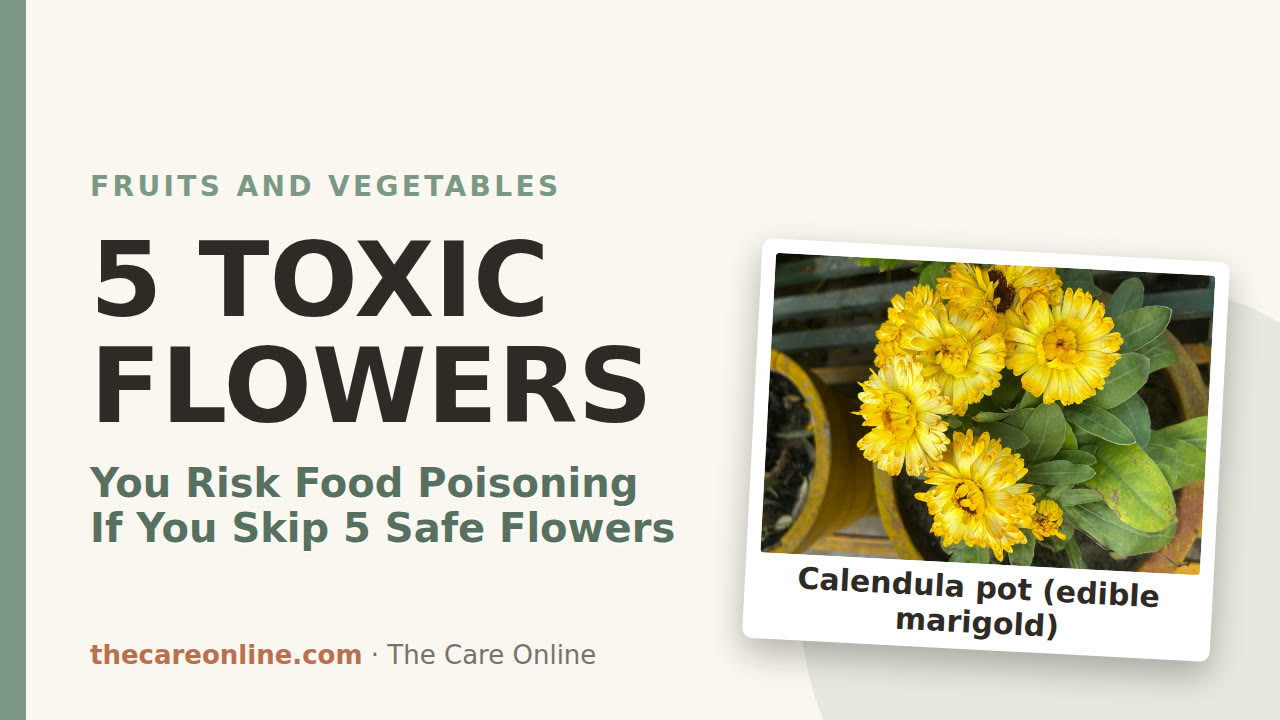 Fruits & Vegetables
Edible Flowers: Which Garden Flowers Are Safe to Eat (and Not)
 Fruits & Vegetables
Avocado Benefits: Honest Nutrition, Value and Who Should Avoid
 Fruits & Vegetables
Grapefruit Benefits (Chakotra): Real Uses, Myths, Who Must Skip
 Fruits & Vegetables
Dragon Fruit Benefits: What Holds Up and Who Should Skip It
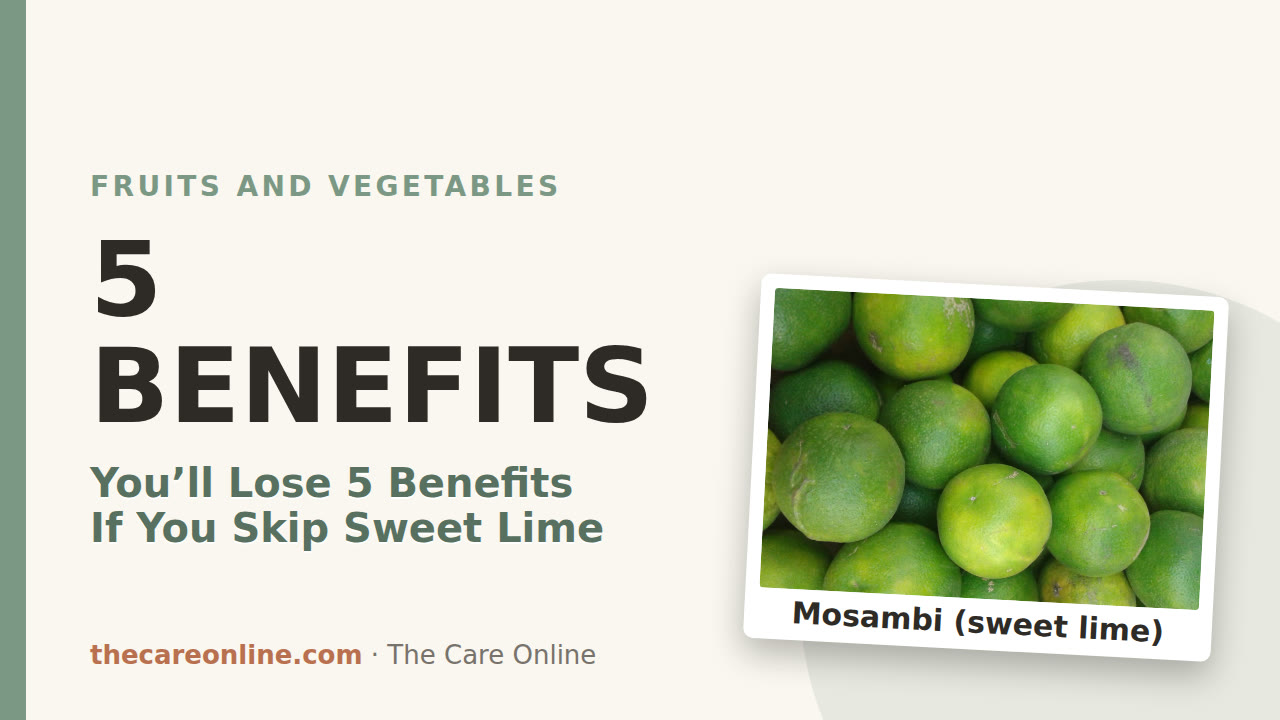 Fruits & Vegetables
Mosambi Benefits: What Sweet Lime Does and Who Should Limit It
 Fruits & Vegetables