T Budding Citrus and Roses at Home: Steps, Timing, Unwrapping (Video)
Read the full written guide: T Budding Citrus and Roses at Home: Steps, Timing, Unwrapping →
Learn the simple technique of T-budding to multiply your favorite citrus and roses. This video covers the best seasons, the bark slip test, step-by-step cuts, and the common pitfalls, including the one mistake that kills most new buds. Perfect for home gardeners in Pakistan and North India.
We'll walk you through choosing budwood, making the T-cut, and when to unwrap and force growth. You'll also see how to troubleshoot failures and compare budding with grafting. Whether you're growing kinnow or a prized rose, this practical guide gets you to healthy, fruiting plants.
Show the full transcript
Transcript
Ten minutes to bud a lemon? The real trick is knowing when to unwrap.
Ten minutes to bud a lemon? The real trick is knowing when to unwrap.
T Budding Citrus & Roses
Here's the short, honest answer, and one tip most people miss.
Why bud instead of seed?
Here's the thing: a lemon grown from a pip can take ages to fruit and usually doesn't taste like the parent. But when you bud, you're slipping a single bud from the exact variety you love, kinnow, malta, or a favourite rose, onto a hardy rootstock. That means you get the same fruit, on roots that cope with your soil, and it fruits years sooner. Nurseries around Sargodha raise kinnow this way. Once you've done ten, it's a ten-minute job. Think about it, that's a skill worth having.
When to bud: bark slip test
The calendar only gets you close. The real test is the bark. When the plant is actively growing, that soft layer under the bark gets wet, and the bark peels away cleanly, that's 'slipping'. In the plains, that usually happens February to March and again in September. But avoid the brutal 45°C weeks of May and June, your buds will literally cook. And December and January? The bark clings tight, so don't bother. Try the two-minute slip test: water deeply two days before, make a tiny cut, and lift the edge. If it peels back shiny and wet, bud today.
Avoid 45°C heat
That's the temperature that will cook your buds. In May and June, the heat is just too much for young grafts. So if you're in Multan or Bahawalpur, wait for the cooler months. The bark won't slip anyway, so you're just wasting effort. Better to wait for the right window and get success.
Pick and store budwood properly
Now, the part most people miss: choosing the right budwood. You want this season's growth, pencil-thin or a bit less, firm and rounded, with plump dormant buds. Avoid green angular tips and thorny water shoots from the trunk. Clip off the leaves but leave a short stub of leaf stalk; that becomes your handle for each bud. If you need to store them, wrap the sticks in damp paper towel, seal them in a plastic bag, and keep them in the fridge, not the freezer. That keeps them fresh for a few days.
T budding step by step
Here's how it goes. Pick a smooth spot on the rootstock stem, about 15 to 25 centimetres above the soil, on the side away from harsh afternoon sun. Make a horizontal cut about a centimetre wide, just through the bark. From the middle of that, slice downward about three centimetres to form a T. Gently lift both flaps with the back of your knife. Then on the budwood, start a cut about 1.5 centimetres below a bud and slide upward under the bud in one smooth stroke. Slip that shield into the T, press it down, and wrap it tightly with budding tape.
Why did my bud fail?
Expect some failures, even pros lose a share. If your shield turns brown within a week, the bark wasn't slipping or the bud dried before wrapping. If it stays green but never grows, it wasn't forced, and rootstock shoots are stealing energy. If you see gum oozing at the cut on citrus, the plant is stressed, or you cut too deep. And if the new shoot snaps off, wind got it, tie it to a stake. Budding two buds on opposite sides doubles your chances.
Budding vs grafting: which to use
So why bud instead of graft? Budding uses just one bud, so a single twig gives you many plants, and it works beautifully on thin stems like citrus and rose, where the bark slips easily. Grafting joins a whole twig and suits thicker stocks, think mango. If you just want a lemon on your balcony, start with a potted nimbu plant. But for multiplying a favourite variety, budding is your friend.
Safety first: knives and thorns
Before you start, a quick safety note. Budding knives are razor sharp, and most cuts happen on the hand holding the stem. Always cut away from yourself and keep kids well back. If you cut yourself, cover it with a clean dressing, and see a doctor for deep cuts or signs of infection. Also, only take budwood from healthy trees, citrus greening and viral diseases travel in budwood, so avoid twigs from trees with blotchy yellow leaves. And rose thorns can carry soil infections, so wear gloves.
The one mistake to avoid
Now, the one mistake that ruins more new buds than anything else: unwrapping too soon or cutting the top too early. After you've wrapped your bud, resist the urge to peek. Spring buds need two to three weeks to join. Autumn buds take even longer and stay dormant until spring. And when you do cut the rootstock top, wait until the bud has pushed out a shoot with a few leaves. Cut too early, before the bud has healed, and you'll kill it. So be patient, let the bud tell you when it's ready.
Like, subscribe and comment
Like, subscribe, and share your own experience in the comments below.
Read the full guide
Read the complete guide on thecareonline.com. This is general information, not medical advice.
More videos
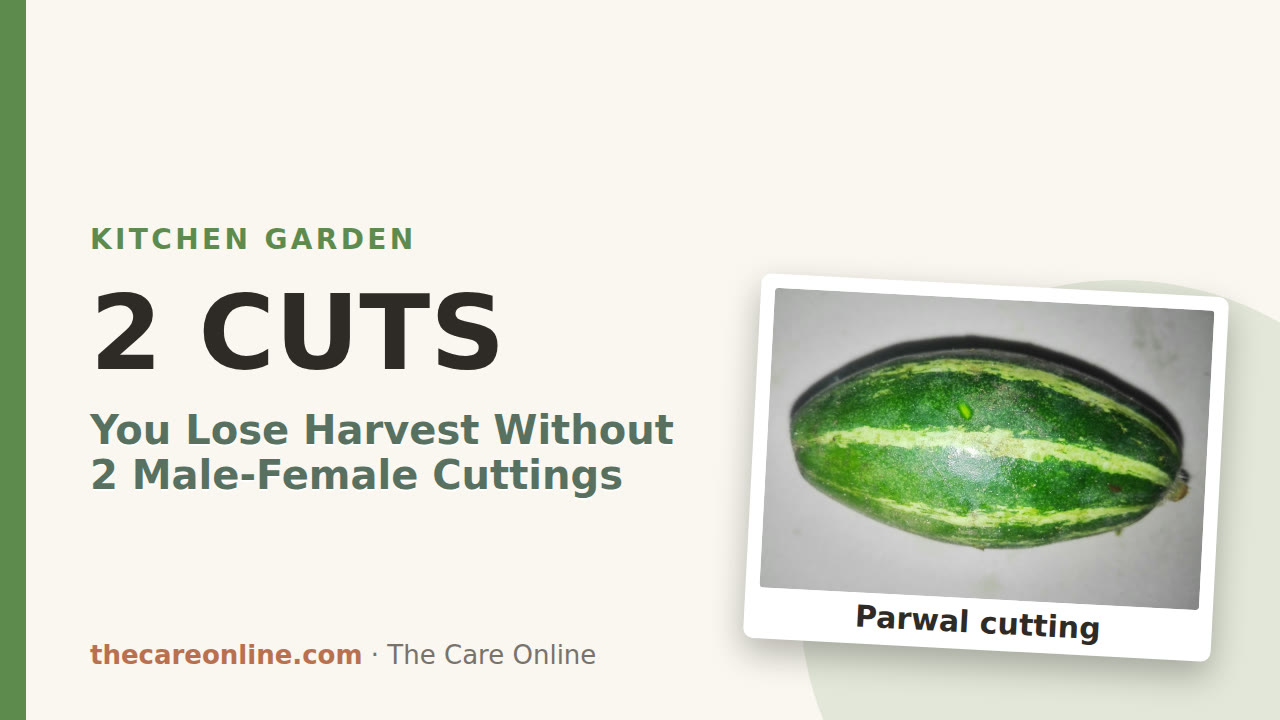 Kitchen Garden
How to Grow Parwal (Pointed Gourd): Male and Female Cuttings
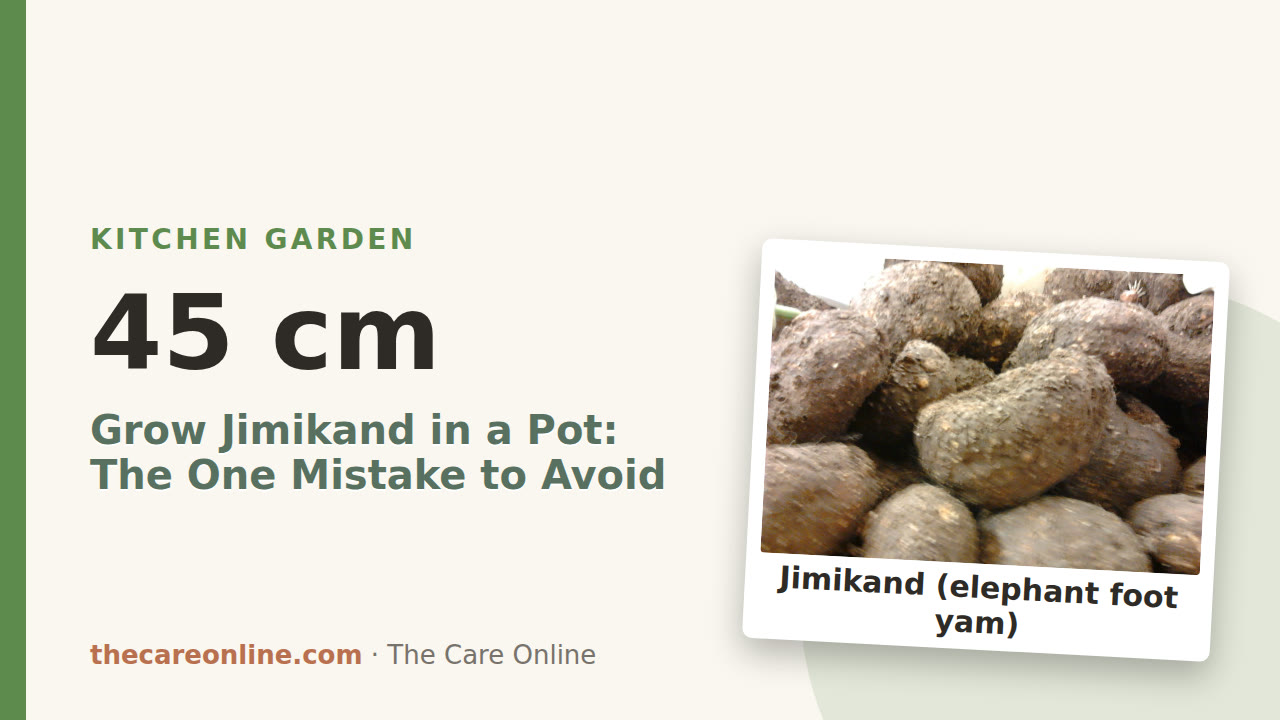 Kitchen Garden
How to Grow Elephant Foot Yam (Jimikand) in a Deep Pot or Bed
 Kitchen Garden
How to Grow Ash Gourd (Petha): Space, Sowing Months and Harvest
 Kitchen Garden
Drip Irrigation for Pots on a Rooftop: Tank, Kit and Timer
 Kitchen Garden
How to Grow Snake Gourd (Chichinda) Straight on a Rooftop Frame
 Kitchen Garden