Leftover Tea Uses: Reheating Chai, Overnight Tea and Chai Cake (Video)
Read the full written guide: Leftover Tea Uses: Reheating Chai, Overnight Tea and Chai Cake →
Leftover chai doesn't have to go down the sink. Learn the simple safety rules for reheating milk chai, why straining the patti changes everything, and how to turn yesterday's tea into a spiced cake or a refreshing iced drink.
This guide covers the two-hour rule, how to reheat properly, and smart zero-waste tricks like measuring water by your mug. Plus, what grandmothers knew about 'sleeping' tea and who should stick to fresh brews.
Show the full transcript
Transcript
Leftover chai turning bitter? The fix is simpler than you think.
Leftover chai turning bitter? The fix is simpler than you think.
Leftover Tea: Use It or Lose It
Stay for the one habit that keeps leftover chai from turning bitter.
The two-hour rule
Here's the thing about milk chai. Once that doodh goes in, it's a dairy drink, and dairy drinks play by dairy rules. Two hours on the counter is the limit, and in hot weather, drop that to one. If it sat out longer, it belongs down the sink. The fridge is your friend, covered, use it by the next day.
Overnight tea: safe?
Plain black tea, just patti and water, is a different animal. It doesn't have much for germs to feed on, so leaving it covered overnight won't hurt you. It'll just taste dull and bitter, because tannins keep seeping out of the leaves. Milk chai though? That's a dairy drink, and dairy left out overnight is a gamble you don't want to take.
Reheat once, reheat right
So you chilled your chai in time. Now reheat it once, and do it well. Strain the patti out before storing, because leaves left in the pan keep releasing tannins, and that's where the bitterness comes from. Cool it quickly in a steel jug, cover it, refrigerate. Next morning, pour out only what you'll drink, and heat on medium until it steams and just starts to bubble.
Make less, not more
Here's the real zero-waste trick, and it's almost too simple. Fill your own mug with water, pour it into the pan, and make exactly that amount plus a few spoons for evaporation. Most leftover chai is simply the third cup nobody wanted. Stop making that phantom third cup, and you've solved half the problem. It's like cooking dal, you know how much everyone eats.
Chai cake and iced chai
Now, this is where it gets interesting. Leftover milk chai replaces the milk in a loaf cake, giving it a spiced, toffee-like taste. Whisk eggs with sugar, add oil and chilled leftover chai, fold in flour, baking powder, and ground elaichi and dalchini. Bake at a hundred seventy-five for about thirty-five to forty minutes. Or skip the oven. Pour chilled leftover doodh patti over ice with a little cold milk, and you've got iced chai.
The bitterness culprit
Here's a line worth remembering. Strain the patti before you store the chai, because most of the bitterness people blame on reheating actually comes from the leaves. It's such a simple fix, and it changes everything. If you've ever wondered why your leftover chai tastes so much worse than the fresh batch, this is almost certainly why.
Don't feed plants chai
Now, used tea leaves have their own uses, but leftover tea itself? Don't pour it on your plants. Milk and sugar in pots go sour, smell, attract ants and fungus gnats, and can even grow mould on the soil. Plain cooled black tea in small amounts won't hurt most plants. So if you were thinking of recycling leftover chai into your garden, save yourself the trouble.
Grandmothers knew best
Many grandmothers wouldn't touch tea that had slept overnight, calling it heavy on the stomach. Unani writing doesn't give a specific rule, but that household habit of fresh chai each time lines up with sensible food handling for milk drinks. If you're serving kids, pregnant women, or older folks, give them freshly made drinks. And chai carries caffeine, so watch how many strong cups you're having.
The magic number
Two hours. That's the magic number for milk chai sitting out at room temperature. In very hot weather, cut it to one. After that, it's not worth the risk, no matter how much you hate wasting that last cup. This is the same rule that applies to any perishable dairy dish, whether it's chai or a bowl of raita. It's not about being wasteful, it's about being smart.
Caffeine ceiling
Here's another number to keep in mind. Four hundred milligrams of caffeine is the usual daily ceiling for healthy adults, and about two hundred for pregnant women. A strong reboiled cup of chai can hold more caffeine than you'd expect. So if you're already drinking coffee, that extra strong chai might push you over. And tea with meals reduces iron absorption, which matters if you've been told you're anaemic.
The one mistake to avoid
So here's the one mistake to avoid, and it's the thing I promised at the start. Don't leave the patti in the chai when you store it. Those leaves keep releasing tannins, and that's what makes leftover chai taste bitter and stewed. Strain it before you refrigerate, and your leftover chai will taste remarkably close to fresh when you reheat it.
Like, subscribe and comment
Useful? Like and subscribe, and tell us in the comments what we should check next.
Read the full guide
The full guide is on thecareonline.com. General information only, so check with your doctor for your own case.
More videos
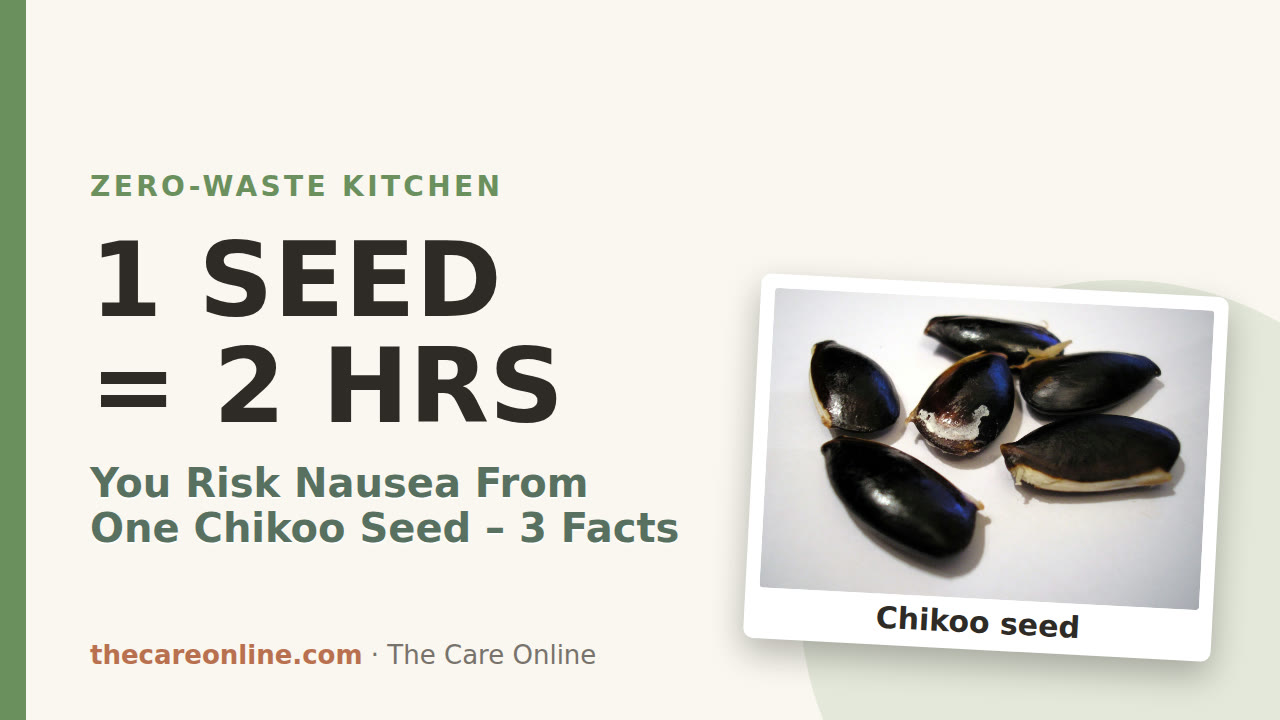 Zero-Waste Kitchen
Chikoo Seeds: Are They Poisonous, and What If You Swallow One?
 Kitchen Science
Can You Freeze Cooked Roti? Stack, Thaw and Reheat It Soft
 Kitchen Science
Can You Freeze Cooked Rice? Cool Fast, Portion, Reheat Hot
 Kitchen Science
Is It Safe to Eat Food Left Out Overnight? Rice, Dal, Salan
 Kitchen Science
Can You Reheat Food Twice? Why Food Safety Advice Says Once
 Kitchen Science