How to Grow Lobia (Cowpea) in Pots: Sowing Months to Harvest (Video)
Read the full written guide: How to Grow Lobia (Cowpea) in Pots: Sowing Months to Harvest →
Learn how to grow lobia (cowpea) in pots, from the right sowing months for your city to the perfect pot size and soil mix. This practical guide covers step-by-step sowing, watering, feeding, and the two-day picking rule that keeps your plants producing.
We also cover common problems like yellow leaves, aphids, and powdery mildew, plus the one feeding mistake most people make. Whether you're on the plains, in the hills, or in coastal Karachi, this video helps you grow a successful lobia harvest at home.
Show the full transcript
Transcript
Did you know one feeding mistake ruins most lobia harvests?
Did you know one feeding mistake ruins most lobia harvests?
Grow Lobia in Pots
Stay till the end for the one feeding mistake most people make with lobia.
Cold soil rots seeds
Here's the thing: sixteen degrees is the magic number for lobia. Below that, seeds rot in damp ground instead of sprouting. It's the most common reason a sowing fails: people plant too early because the calendar says spring, but the soil hasn't warmed up yet. Before you sow, feel the soil. Cold to the touch? Wait. Your lobia will thank you.
When to sow lobia
Go by your city, not one date. On the plains, late March through July works, with the monsoon sowing being the easier one. In the hills, April to June. Karachi can even squeeze in two crops, though humidity brings mildew, so space plants wider. Lahore? April, and late June to July. Multan? Skip May entirely, brutal heat.
Pot and soil basics
Depth matters more than width here, because lobia roots head down fast. A twelve-inch pot is the minimum that stays sane in July. Mix two parts garden soil, one part compost, and one part cocopeat or sand. Bush varieties stay knee high; climbers want a five or six foot net or a railing. Give the plant a ladder it actually wants to climb.
Sowing step by step
Sow it where it will grow. Lobia hates being transplanted. Paper cups work for a head start; just plant the whole cup. Soak seeds in plain water for four to six hours, no longer. Water the pot first, then push two seeds into each spot, two to four centimetres deep, fifteen centimetres apart. And don't water again until the surface dries. Wet and cool is how lobia rots.
When flowers drop
Forty-five degrees. That's when lobia flowers start dropping off in places like Multan. Sow in May on the southern plains, and you might get plenty of leaves but very few beans. So skip a May sowing there. Instead, sow in late March or April, or wait for the monsoon. Match your sowing to your city's heat.
Watering and feeding
In April and May on the plains, a fifteen-litre pot usually needs water every morning. On days hitting forty-five, add a second, smaller drink at sunset. During the monsoon, check with a finger: if the top three centimetres are still damp, skip it. Now, the part most people miss: feeding. Lobia is a legume: bacteria in root nodules fix nitrogen from the air.
The two day picking rule
Here's a habit that changes everything: walk past the plant every second day and pick every pod that's pencil thick and snaps cleanly. Once a few pods swell and dry, the plant decides it's done and flowering slows. So keep picking, and it keeps producing. Dry beans come from a final flush at season's end. Take more, get more.
Why leaves turn yellow
Yellow leaves are the number one worry, but the cause changes everything. Lower leaves yellow with soggy soil? That's overwatering. Let it dry out. Whole plant pale in a tiny pot? Roots ran out of room. Move up a size. Yellow speckles with webbing underneath? Spider mites. Old leaves yellowing after sixty days of pods? Normal ageing. Keep picking.
Common pests and fixes
Three pests come up again and again. Black aphids crowd soft tips and flower stalks. A hard water spray on two or three mornings clears most, and ladybirds finish the job. Pod borers and bugs leave holes or shrivelled pods. Pick, squash, and remove damaged ones. Powdery mildew shows as white dust in humid weather. Space plants wider and water the base.
When and how to harvest
Green pods are ready when long, firm, and pencil thick, with seeds only faintly visible. Bend one: a clean snap means perfect; a soft bend means too old for the kadhai, but fine for dry seed. Most varieties bear between forty-five and sixty days from sowing. Dry beans come when pods turn papery. Young leaves? Eaten as saag in some parts.
Is lobia worth growing?
Honestly, yes. With a sunny roof and a hot summer, it's one of the few vegetables that likes the months when tomatoes fail, and it improves the soil. But it's not a big yielder: three plants give a few handfuls a week at peak. That's a side dish with roti, not a month of meals. Still, it makes a great third crop after beginner plants. For a struggling summer garden, worth it.
Take care with lobia
A few safety notes before you dive in. Dry lobia must be soaked and boiled fully before eating, like any dry bean. Keep stored seed, especially fungicide-treated seed, away from children. Roof pots add serious weight once watered, so cluster big ones near walls and beams. Empty saucers after rain so they don't breed dengue mosquitoes.
The one feeding mistake
So here's the one mistake most people make with lobia: overfeeding nitrogen. Lobia is a legume: bacteria in little nodules on its roots fix nitrogen from the air. So when you pile on urea or lots of fresh manure, you get lush leaves but far fewer pods. Feed lightly, or not at all. The plant makes its own food.
Like, subscribe and comment
Useful? Like and subscribe, and tell us in the comments what we should check next.
Read the full guide
The full guide is on thecareonline.com. General information only, so check with your doctor for your own case.
More videos
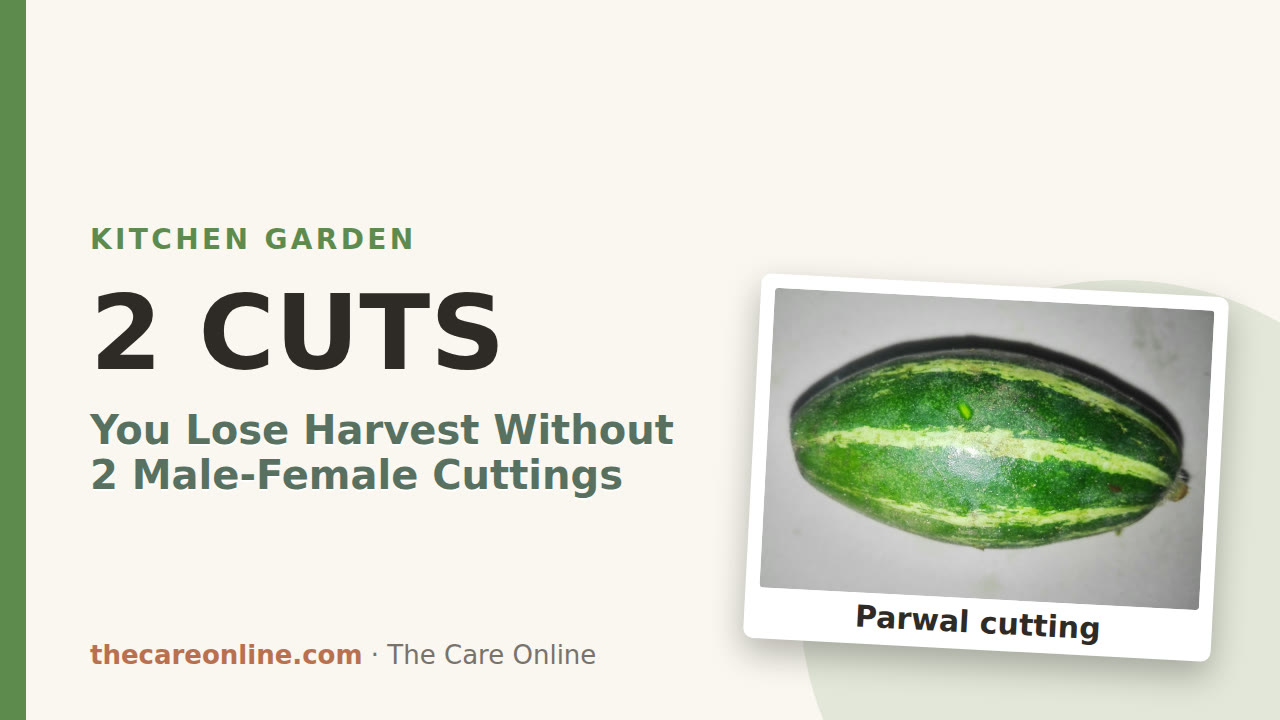 Kitchen Garden
How to Grow Parwal (Pointed Gourd): Male and Female Cuttings
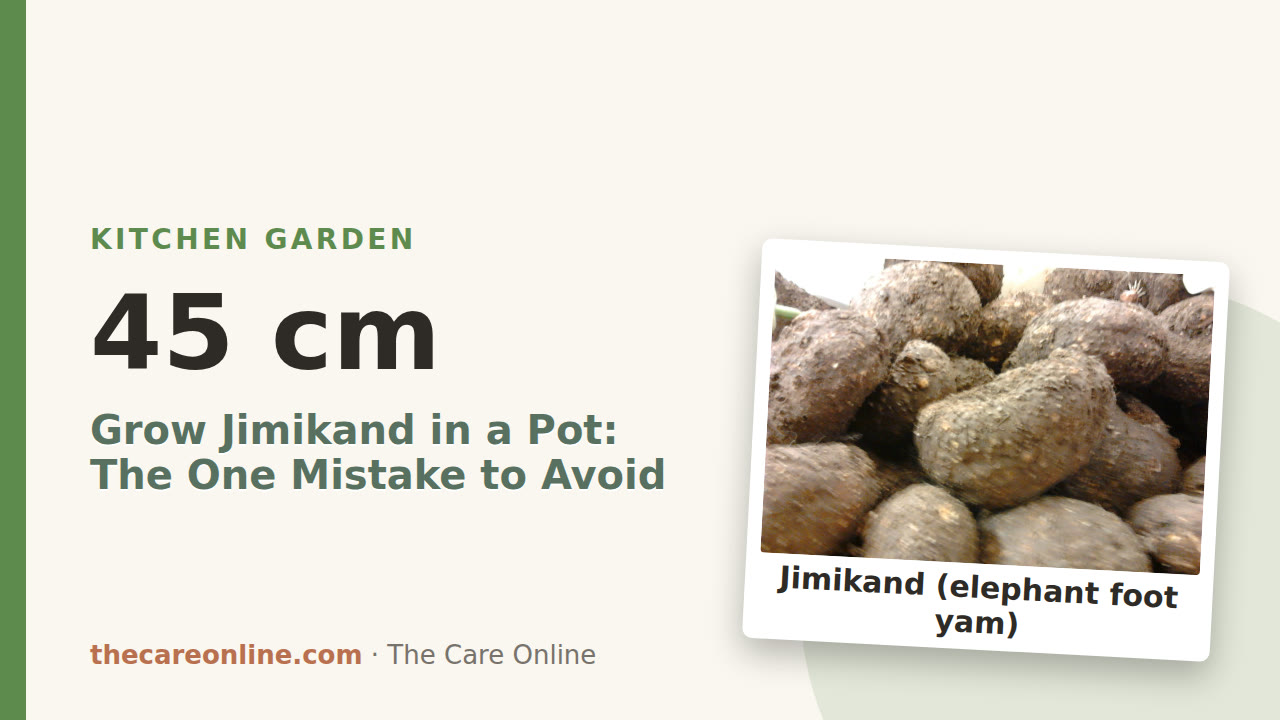 Kitchen Garden
How to Grow Elephant Foot Yam (Jimikand) in a Deep Pot or Bed
 Kitchen Garden
How to Grow Ash Gourd (Petha): Space, Sowing Months and Harvest
 Kitchen Garden
Drip Irrigation for Pots on a Rooftop: Tank, Kit and Timer
 Kitchen Garden
How to Grow Snake Gourd (Chichinda) Straight on a Rooftop Frame
 Kitchen Garden