How to Grow Karonda: Seed, Air Layer or Pot, and Hedge Care (Video)
Read the full written guide: How to Grow Karonda: Seed, Air Layer or Pot, and Hedge Care →
Karonda is a tough, thorny hedge plant that fills the achar jar, but there's a catch: seedlings are a complete gamble. This guide walks you through where it grows best, how to air layer a branch from a bush you've actually tasted, and the simple care routine that keeps it fruiting year after year.
You'll also learn the pot size that works, the pruning mistakes that kill your flowers, and the one habit that makes all the difference between sweet berries and a disappointing bush. Practical, honest, and rooted in real kitchen-garden experience.
Show the full transcript
Transcript
Why do some karonda bushes fruit beautifully while others don't?
Why do some karonda bushes fruit beautifully while others don't?
Grow Karonda the Smart Way
Grow karonda the smart way, and stay for the one trick that separates sweet fruit from a gamble.
Where Karonda Fruits Well
Here's the thing, karonda is a plains plant. Karachi, Multan, Lahore, Delhi, those hot sunny cities are where it thrives. It loves heat, so water it well through the first two summers. In Islamabad or Peshawar, try a warm, sheltered wall. Cover young plants on the coldest Punjab nights, but once established, they handle light frost fine.
Seedlings Take Time
Now, the part most people miss. Seedlings take eight to ten months just to be ready to plant out. And that's before they even think about fruiting. Plus, seedlings are a genetic lottery. Fruit size, colour, and taste vary wildly. So seed is fine for a hedge, but disappointing if you want good fruit for the achar jar.
Seed, Layer, or Cutting?
So what should you do instead? Air layering is the best home method. In June, pick a healthy, pencil-thick branch on a bush with good fruit. Remove a ring of bark about one and a half times the branch's thickness, scrape the wood clean, pack damp moss or cocopeat around it, wrap tightly in polythene. When roots show through, cut halfway, then fully a week later. You've got a clone of the parent bush.
Taste Before You Propagate
And this is where it gets interesting. Before you propagate anything, taste the fruit. In the fruiting season, sample berries from several bushes. Tie a ribbon on the best one, then ask the owner if you can layer a branch in June. That single choice gives you better fruit than any amount of feeding a random seedling. You wouldn't buy mangoes without tasting them first, would you?
Karonda in Pots?
Can you grow karonda in a pot? Yes, but it's a big, sprawling shrub. In a pot, it stays smaller and gives less fruit. If you must, use at least an eighteen-inch pot with two parts soil, one part compost, and one part sand. But in the ground it's much happier, and as a boundary hedge it earns its place twice, once as a fence, once as food for the achar jar.
Year-Round Care
Feeding is simple. A few handfuls of compost or well-rotted manure in February and July. If you use bagged fertiliser, go half the label rate, because too much nitrogen gives leaves, not fruit. Water young plants twice a week in summer, daily in pots on forty-five degree days. In the monsoon, make sure water doesn't stand around roots. Winter means sparse watering and covering young plants on frosty nights.
When to Prune
Prune right after the main fruiting season. Remove dead wood, crossing branches, and any shoots growing into paths. Karonda flowers on new growth, so a light trim after harvest encourages next year's flowering shoots. For a hedge, clip lightly two or three times a year. Wear thick gloves and long sleeves. The thorns are sharp and paired.
Why Not Fruiting?
If your karonda isn't fruiting, check the usual suspects. Is it a seedling? Seedlings take longer, and some never fruit well. Too much shade? Move it or open up the canopy. Too much nitrogen or water? You'll get lots of leaves and few flowers. Hard pruning at the wrong time? You may have clipped off the new shoots that carry the flowers.
Pests and Problems
Karonda is tough, but not invincible. Scale insects and mealybugs sometimes cluster on stems. Scrape them off and use a neem spray. Waterlogged soil causes yellowing leaves and root rot. Birds love ripe fruit, so net a few branches if you want some for the achar. The sap can irritate skin and eyes, so wear gloves when cutting. Keep kids' play areas clear of those thorns.
Grow It or Skip It?
So should you grow it? If you have a sunny boundary on the plains and want a hedge that feeds the achar jar, absolutely. Buy a layered or grafted plant for fruit, or use seedlings purely as a living fence. Skip it in the hills, or if you only have a small balcony. It earns its keep, but it needs the right spot.
The One Mistake to Avoid
Here's the one mistake most people make. They propagate from whatever bush is available, without ever tasting the fruit. But the single best thing you can do is taste berries from several bushes and layer a branch from the one you love. That one choice beats any amount of feeding a random seedling. So before you do anything else, taste first.
Like, subscribe and comment
Like, subscribe, and share your own experience in the comments below.
Read the full guide
The full guide is on thecareonline.com. General information only, so check with your doctor for your own case.
More videos
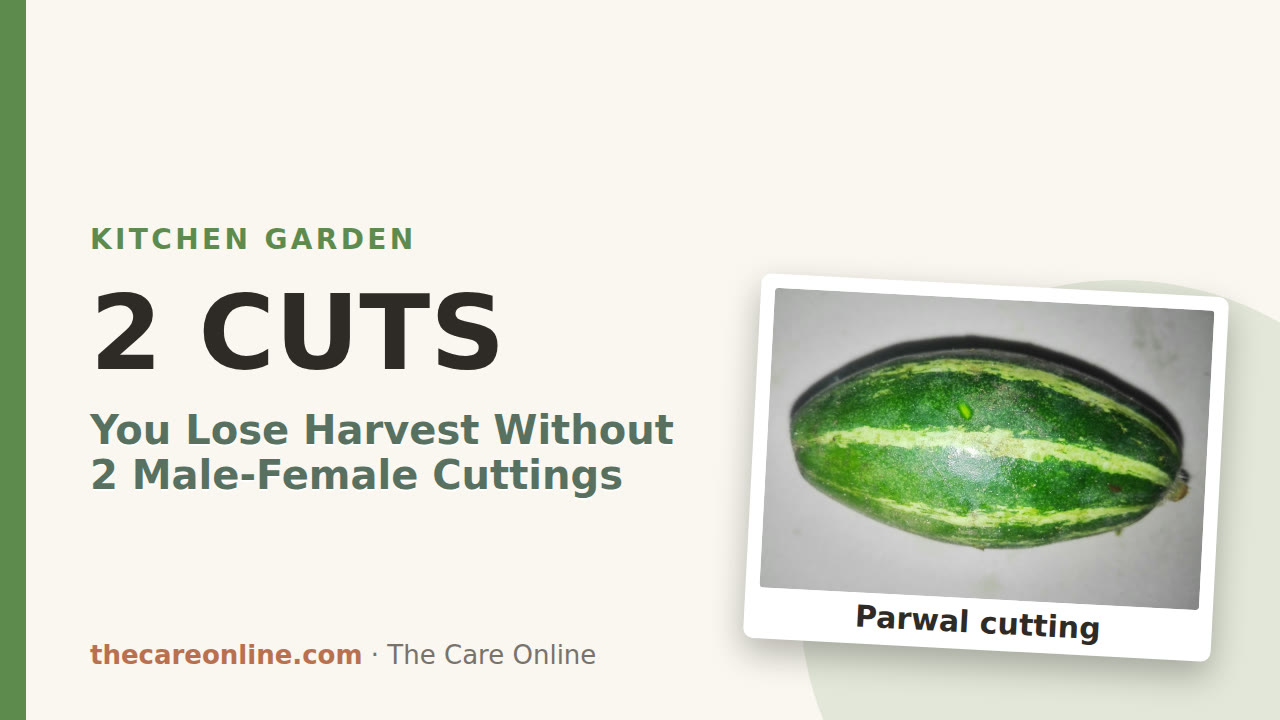 Kitchen Garden
How to Grow Parwal (Pointed Gourd): Male and Female Cuttings
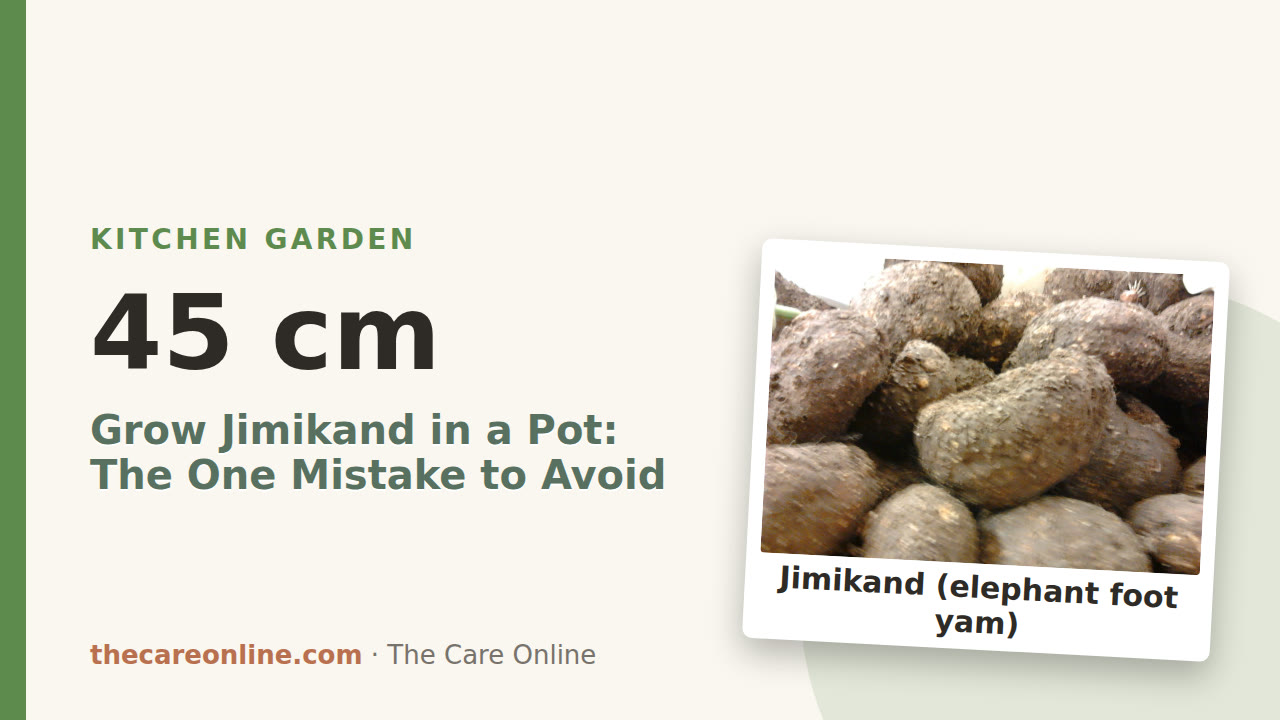 Kitchen Garden
How to Grow Elephant Foot Yam (Jimikand) in a Deep Pot or Bed
 Kitchen Garden
How to Grow Ash Gourd (Petha): Space, Sowing Months and Harvest
 Kitchen Garden
Drip Irrigation for Pots on a Rooftop: Tank, Kit and Timer
 Kitchen Garden
How to Grow Snake Gourd (Chichinda) Straight on a Rooftop Frame
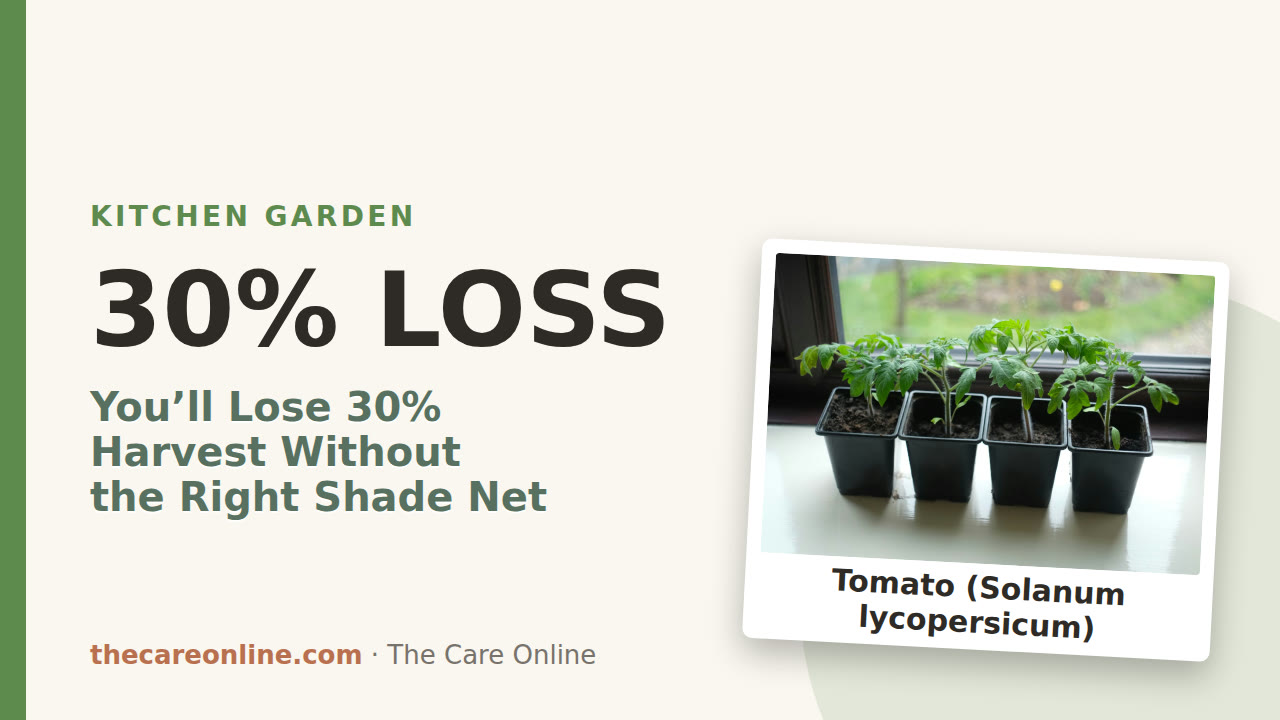 Kitchen Garden