How to Grow Kalmegh (Andrographis) From Seed in the Monsoon (Video)
Read the full written guide: How to Grow Kalmegh (Andrographis) From Seed in the Monsoon →
Kalmegh, the king of bitters, is surprisingly easy to grow from seed in the monsoon. This guide covers identifying the real plant, sowing by your city's climate, caring for it through the rainy season, harvesting at the right moment, and saving seed for next year. Plus the one trick that keeps a failed tray from costing you a whole season.
You'll also learn who should avoid kalmegh and when a fever needs a doctor instead of a garden herb. Whether you're a seasoned gardener or just starting your kitchen garden, this is practical, honest advice for growing a classic Ayurvedic herb at home.
Show the full transcript
Transcript
Ever tasted the king of bitters?
Ever tasted the king of bitters?
Grow Kalmegh from Seed
Stay for the one trick that saves your kalmegh season when you grow it from seed.
King of Bitters
Kalmegh earned the name king of bitters. One leaf on your tongue and you'll never mistake it again. It's a one season annual: sow in May or June, transplant in the monsoon, and cut the plant when it flowers in autumn. Then save seed, because next year starts from scratch.
Spot the Real Kalmegh
Now, the part most people miss: identification. Dried kalmegh often gets mixed with chirayta, another bitter herb. Small-leaved Justicia or Ruellia seedlings look similar until they flower. So roll the stem between your fingers, square, not round. Leaves are simple, lance shaped, in opposite pairs. Flowers are tiny, two lipped, white with purple or rose spots on the lower lip. That combination confirms it.
Sow by Your City
When you sow depends on where you live. Coastal Karachi? April to July, easy, and plants may last into winter. Multan, Sukkur, Bahawalpur? Late May to June, in shade, with fifty percent shade until the monsoon. Lahore, Faisalabad, Delhi? May to June, transplant with the first monsoon rain. Islamabad, Peshawar? June, and harvest before November cold.
Start Seeds Right
The seed has a hard coat and germinates unevenly. Soak it twelve to twenty four hours. Mix with fine sand, sprinkle over a tray of moist mix, and cover with a thin dusting of soil. Keep in light shade, mist rather than pour. Expect seedlings in one to three weeks. Some come up late, so don't tip the tray early.
Soak seeds before sowing
Here's a number worth remembering: twelve to twenty four hours. That's how long to soak kalmegh seeds before sowing. The seed coat is hard, and the soak softens it for faster, more even germination. Skip it and you'll wait longer and wonder why some seeds never wake up. Simple step, big difference.
Easy Monsoon Care
Keep seedlings evenly moist. Established plants need water when the top three centimetres is dry, and drain pots well in the rains. Mix compost at transplanting and side dress once a month. Nip the growing tip at about twenty centimetres for a bushier plant. Keep the first six weeks weed free, young kalmegh is slow.
Pests? Rarely.
Most pests avoid kalmegh, thanks to that bitterness. Seedlings collapsing at soil level? That's damping off in wet, crowded trays, so sow thinner, water less, more air. Yellow lower leaves in rain? Waterlogging, improve drainage. Chewed leaves? Caterpillars or grasshoppers, hand pick or neem spray. Wilting with root rot? Heavy clay, add sand next time.
Harvest at Flowering
Cut the whole plant just above the soil when it begins flowering, usually September to October. Leave a few plants standing until pods brown, for seed. Dry the cut plants in shade until stems snap. Store in a closed jar in the dark; discard anything damp. Kalmegh is used for fevers in Ayurvedic tradition, but it has real side effects.
Save Seed for Next Year
Home saved seed keeps in a cool, dry cupboard. Leave two or three strong plants uncut after harvest. When the first pods turn brown, they're close to splitting. Tie a paper bag over the flowering tops, or cut stems and lay them on newspaper indoors. Once pods burst, sieve out the seeds, dry in shade, and store in a labelled jar.
Before You Use It
Kalmegh is not for pregnant or breastfeeding women, young children, or anyone on blood pressure, blood thinning, diabetes, or immune suppressing medicines without a doctor's advice. Allergic reactions, including rashes, have been reported. A fever over three days, a fever in a baby, yellow eyes, or dark urine needs a doctor, not a garden herb.
Grow It or Skip It?
So should you grow it? It depends. If you want to know and recognise a classic herb, and keep reliable, correctly identified stock, yes, it's undemanding in the monsoon. But if you hoped for a culinary herb, skip it. It's far too bitter to cook with. It's a herb for the medicine cabinet, not the kadhai.
The One Trick: Sow Twice
And here's the one trick I promised at the start. Because kalmegh germinates unevenly, sow half your seed in late May and half in mid June. Whichever batch meets the monsoon at the right size will carry the season. You won't lose a year to one failed tray. A little extra effort doubles your chances.
Like, subscribe and comment
Like, subscribe, and share your own experience in the comments below.
Read the full guide
Read the complete guide on thecareonline.com. This is general information, not medical advice.
More videos
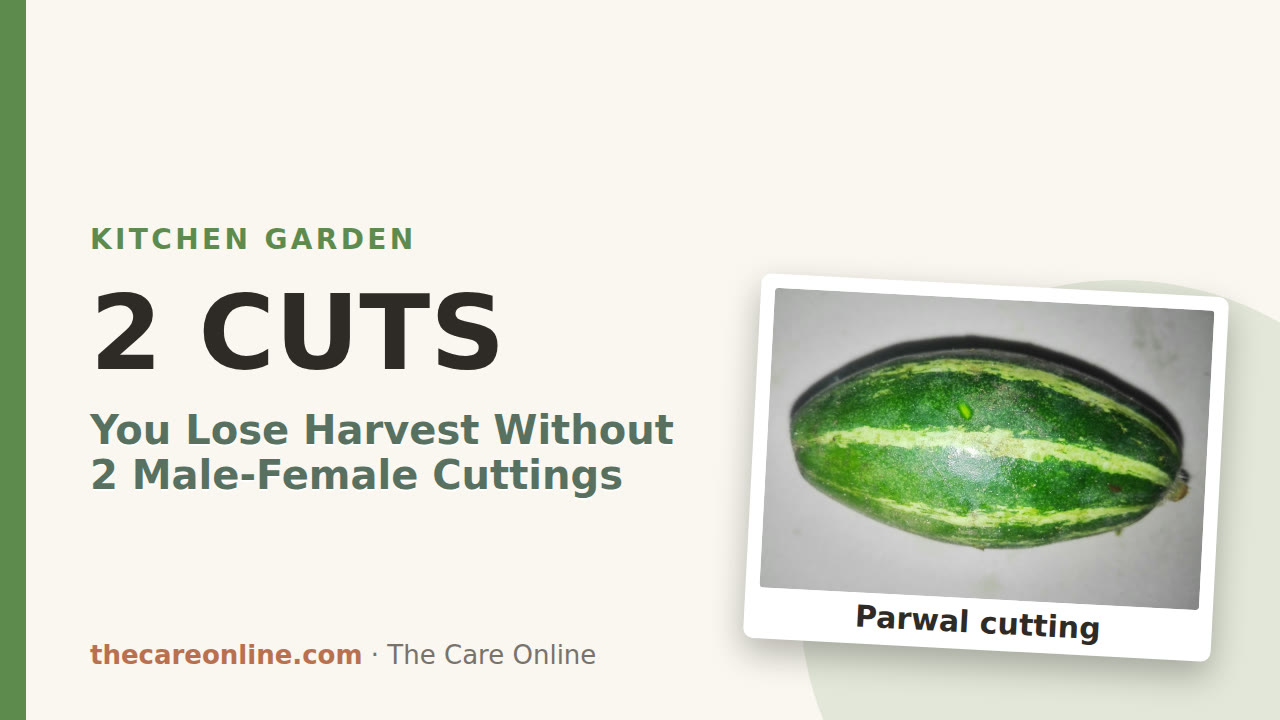 Kitchen Garden
How to Grow Parwal (Pointed Gourd): Male and Female Cuttings
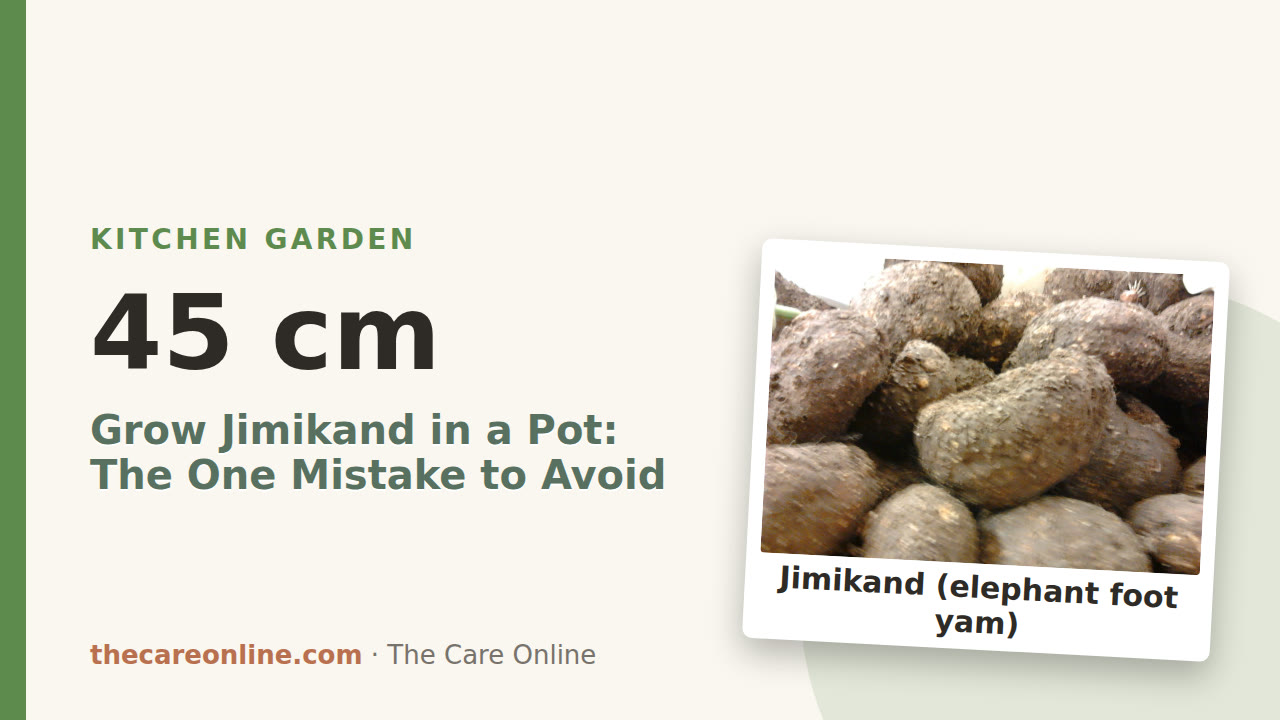 Kitchen Garden
How to Grow Elephant Foot Yam (Jimikand) in a Deep Pot or Bed
 Kitchen Garden
How to Grow Ash Gourd (Petha): Space, Sowing Months and Harvest
 Kitchen Garden
Drip Irrigation for Pots on a Rooftop: Tank, Kit and Timer
 Kitchen Garden
How to Grow Snake Gourd (Chichinda) Straight on a Rooftop Frame
 Kitchen Garden