How to Grow Jungle Jalebi: Seed, Thorny Hedge, Pruning, Fruit (Video)
Read the full written guide: How to Grow Jungle Jalebi: Seed, Thorny Hedge, Pruning, Fruit →
Jungle jalebi (Manila tamarind, Pithecellobium dulce) is one of the easiest fruit trees for the hot plains, it sprouts in about two weeks and shrugs off drought and poor soil. But many home growers never see fruit because of one simple pruning mistake. This video walks you through growing it from seed, planting it as a hedge or tree, and the pruning timing that makes all the difference.
You'll learn where it fruits best across Pakistan and North India, how to start it from seed, how to water and feed it without overdoing things, and how to handle pests and its weedy spread. We also cover the honest verdict on whether it's worth your space, plus the safety basics around those sharp spines. Perfect for kitchen gardeners who want a low-maintenance, productive boundary hedge.
Show the full transcript
Transcript
Jungle jalebi sprouts in two weeks, but why do so many trees never fruit?
Jungle jalebi sprouts in two weeks, but why do so many trees never fruit?
Jungle Jalebi
Stay for the one pruning mistake that quietly steals your jungle jalebi's fruit.
What is jungle jalebi
Here's the thing about jungle jalebi, it's one of the easiest fruit trees you'll grow in the hot plains. The seed sprouts in about two weeks, and the tree shrugs off drought, poor sandy soil, even heavy cutting. Plus it makes a dense, thorny hedge. But those spines do not belong beside a path where children run. So think about where you're putting it before you plant.
Will it fruit near you?
The tree is native to Mexico and Central America, but it's been in South Asia so long its English names point to Manila and Madras. In Karachi, Multan and Sukkur, it's made for heat and dry spells. In Lahore, Faisalabad and Delhi it grows well too, though young plants dislike frost. In Islamabad or Peshawar, plant against a sunny wall to dodge frost.
Seed or sapling?
Seed is the normal way, and it works. Take glossy black seeds from ripe pods, wipe off the aril, and soak them in cool water for about six hours. Sow them one to two centimetres deep in pots of ordinary soil with sand, keep them moist, and sprouts appear within two weeks. The catch is seedlings vary: some bear early and sweet, some late and sparse. Grafted plants are rare but bear more uniformly.
Seed sprouts in two weeks
Think about it. Two weeks. That's faster than most vegetables. You sow a seed, keep it moist, and within a fortnight you've got a little tree on its way. Most fruit trees take months to germinate, or need grafting and special care. Jungle jalebi just goes. Now the real question is where you put it.
Plant as hedge or tree
For a hedge, set young plants about forty-five to sixty centimetres apart along a boundary wall, water them in, and mulch. Once they reach the height you want, cut the tops so they branch low and knit together. A two-year-old hedge stops goats and stray dogs very effectively. As a tree, plant a single sapling a few metres from walls, drains and paths. Full sun, always. This tree loves it.
Prune twice a year
Pruning is the part most people miss. Trim hard once after the main fruiting season, and lightly again at the end of the monsoon. Fruit forms on the outer growth, so keeping the hedge at about head height means pods stay where you can pick them, instead of high in a thorny crown where only parrots get them. Wear thick gloves and full sleeves, those paired spines go straight through thin cotton.
Watering and feeding
Water young plants weekly for the first summer, twice a week in Multan or Sukkur heat. After year one, most plains trees only need water in long dry spells. Feeding is rarely needed, a spread of compost in late winter is plenty. The trap is overdoing it: too much water and fertiliser grows soft shoots and fewer pods. This tree does best when you treat it a bit mean.
How long until fruit?
Here's the honest answer: it varies widely by tree. Seedlings can take several years, and some bear late or irregularly. Flowers appear in the cool-to-warm season, and pods ripen in spring and early summer, turning from green to pinkish red and splitting to show the white aril. So don't expect a harvest next year. Give it a few seasons, the sweet aril is worth it.
Why is it not fruiting?
If your jungle jalebi isn't fruiting, work through the usual suspects. Is it young? Give a seedling several seasons. Is it shaded? Flowers form on sunlit outer shoots. Did you prune hard just before flowering? That cuts off the buds. And sometimes it's just genetics, some seedlings simply bear poorly. Replace them or graft a good variety onto them.
Pests and problems
It's tough, but not invincible. Caterpillars sometimes strip leaves, and mealybugs gather on young shoots, hand pick them or spray soapy water. Birds and fruit flies attack ripe pods, so harvest promptly. The bigger problem is the tree itself spreading: dropped seed sprouts freely, and sources warn it can become a weed. Pull seedlings where you don't want them.
Grow it or skip it?
So should you grow it? It depends. Plant it as a boundary hedge or back-of-plot tree in the hot, dry plains, where few fruit plants are this easy. Skip it beside driveways, play areas, gates and footpaths, those spines are no joke, and on a small plot where its spread becomes a nuisance. And if a thorn wound gets red, hot or swollen, see a doctor.
The one mistake to avoid
Here's the one mistake I promised you: pruning hard just before flowering. It's so easy to do, the tree looks wild, you grab the secateurs, you cut it back hard. But if you do that right before flowering, you're cutting off all the buds. The tree looks tidy, but you've thrown away the season's fruit. So prune hard after the main fruiting season, not before.
Like, subscribe and comment
If this helped, a like and a subscribe really help. Drop your question in the comments.
Read the full guide
The full guide is on thecareonline.com. General information only, so check with your doctor for your own case.
More videos
 Kitchen Garden
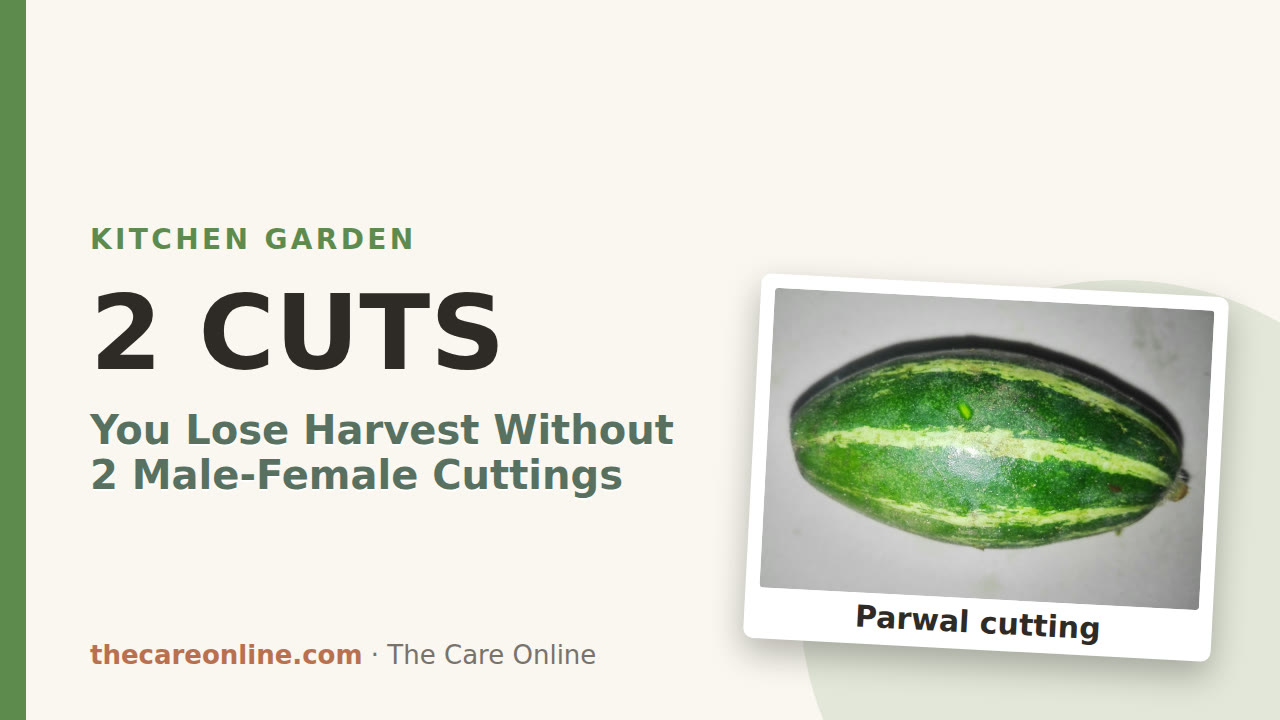
How to Grow Parwal (Pointed Gourd): Male and Female Cuttings
 Kitchen Garden
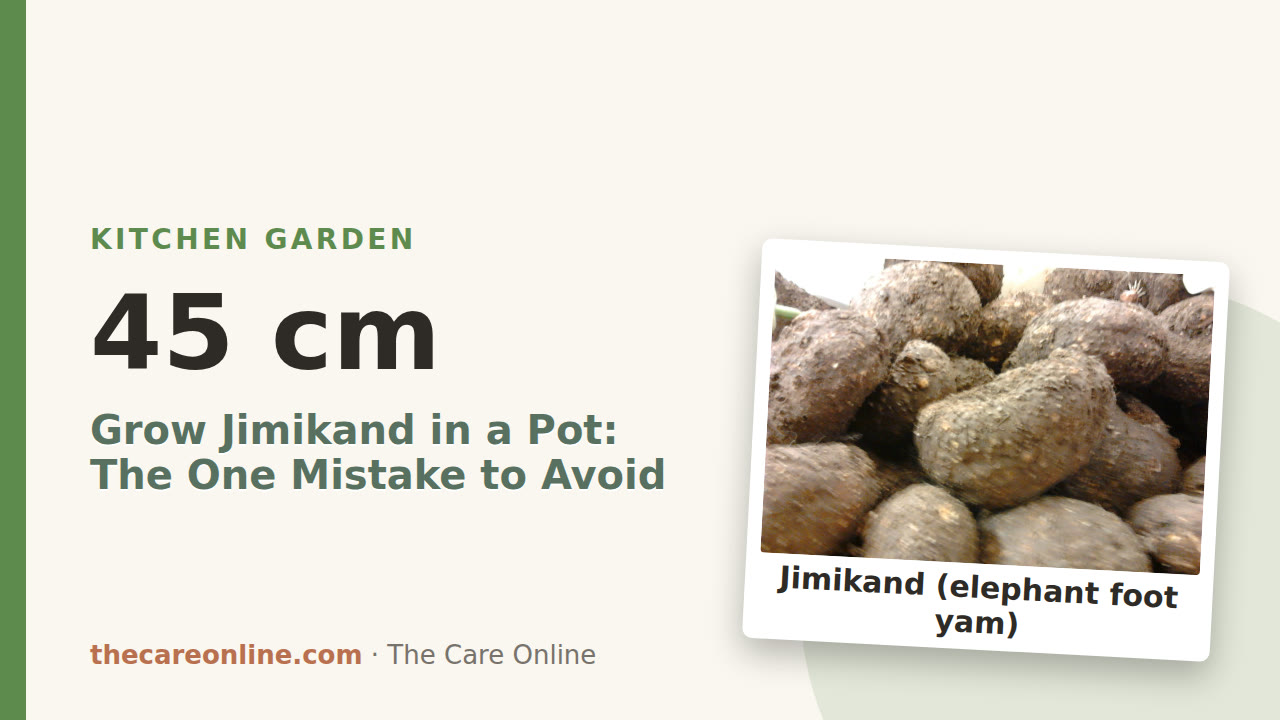
How to Grow Elephant Foot Yam (Jimikand) in a Deep Pot or Bed
 Kitchen Garden
How to Grow Ash Gourd (Petha): Space, Sowing Months and Harvest
 Kitchen Garden
Drip Irrigation for Pots on a Rooftop: Tank, Kit and Timer
 Kitchen Garden
How to Grow Snake Gourd (Chichinda) Straight on a Rooftop Frame
 Kitchen Garden